A care intervention that connects people with dementia to loved ones via pre-recorded videos is being expanded to a global audience. The online toolkit for the iPad Simulated Presence Therapy—developed by Vancouver Coastal Health Research Institute researcher Dr.
Yuet Sheung Wan loves being around people. The 93-year-old moved to Vancouver from Hong Kong a quarter of a century ago. Soon after, she began volunteering at her local community centre to help other seniors. Then, three years ago, her daughter, Ting Cheung, noticed that her mother was becoming forgetful.
Wan was making mistakes doing basic tasks while volunteering at the Ray-Cam Co-operative Centre in Vancouver. She bought the wrong ingredients for meals she had prepared for her daughter and grandchildren for years—another one of Wan’s cherished pastimes.
As someone who prides herself on her memory and ability to recollect obscure facts, 29-year-old Ashley Racette’s eyes were opened wide when she took part in a clinical trial that is examining a novel way to identify cognitive dysfunction.
“When I took part in the clinical trial, I thought about some of the impacts of Alzheimer’s disease and dementia, like forgetting names and faces or important events and memories,” recalls Racette, who is a communications specialist with Vancouver Coastal Health Research Institute (VCHRI).
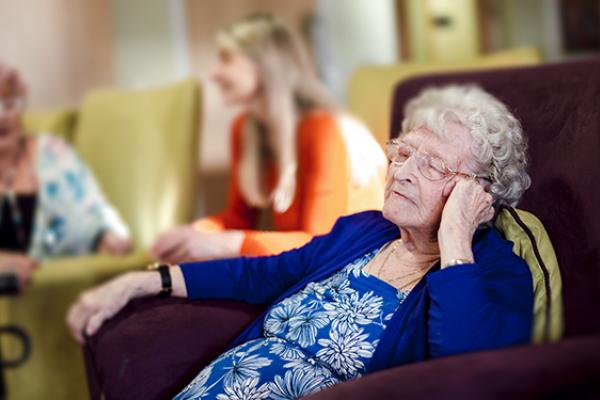
Getting a bad night’s sleep can do more than make us feel hazy and tired the next day. It can also contribute to the development of cognitive impairment and dementia, such as Alzheimer’s disease, particularly later in life. A new study led by Vancouver Coastal Health Research Institute (VCHRI) researchers Ryan Falck and Dr. Teresa Liu-Ambrose is examining interventions that could protect our cognitive function as we age.
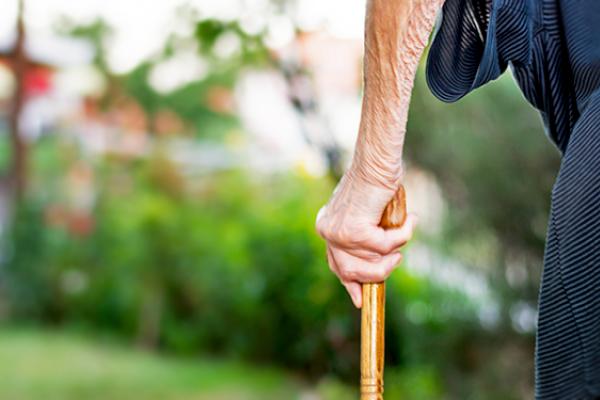
Can keeping up with your walking regimen protect your brain from the effects of aging? Dr. John Best, a researcher with Vancouver Coastal Health Research Institute, and his colleagues found good evidence that maintaining a walking routine can have protective effects on the physical structures and functionality of the brain.
As a professional educator, Lou* values lifelong learning. Now retired after 36 years as an elementary school Principal and education researcher, Lou understands the benefits of taking time to understand new topics. When he received a diagnosis of early-stage Lewy Body dementia, Lou and his wife Anne wanted to learn all they could about the disease. They attended seminars on dementia, and then signed up to be part of a long-term national study of the disease. They were also curious to learn more about the world of medical research.
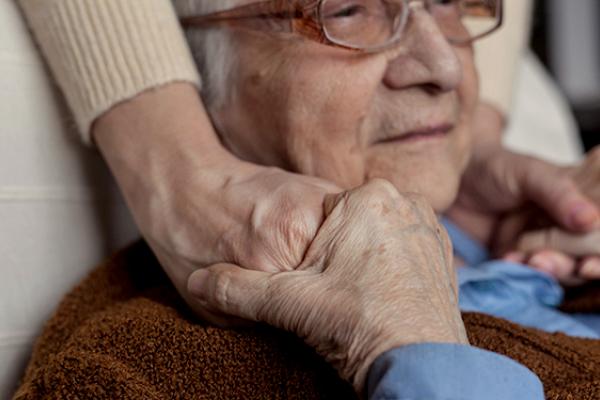
The reassuring presence of a trusted loved one makes every patient feel better. For patients affected by dementia, that familiar face may be a lifeline out of fear and confusion. But trusted family can’t always be there in person, so staff at Vancouver General Hospital (VGH) are seeing if iPads might fill the gap. Staff will use video recordings of family members and monitor if this has a positive impact on the behaviour of patients affected by dementia.
While getting physically slower in later years is simply a part of getting older, a new study led by Vancouver Coastal Health Research Institute (VCHRI) scientist Dr. John Best spotlights how a significant decrease in gait speed is a possible predictor of future cognitive decline among older adults.
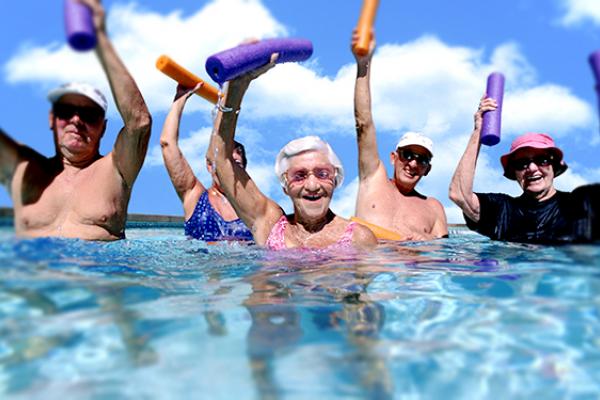
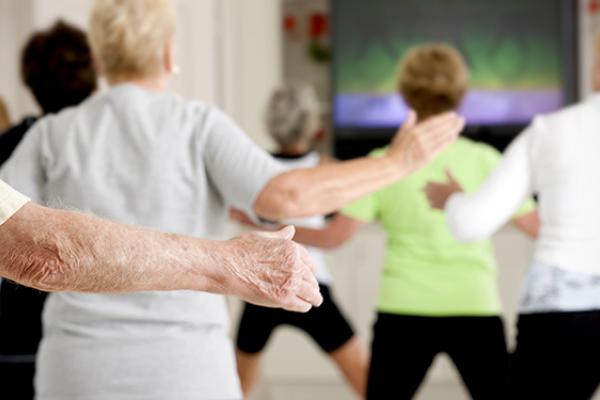
Aerobic exercise hit peak popularity in the ‘80s and is now showing to be highly beneficial to people in their 80s (and in all older age groups). New research by Vancouver Coastal Health Research Institute scientist Dr. Teresa Liu-Ambrose finds that 60 minutes of good old-fashioned aerobic exercise may be more potent than any pill to reduce older adults’ risk of cognitive decline due to mini-strokes.
Aerobic exercise may be a very promising strategy to reduce older adults’ risk of cognitive decline due to silent mini-strokes.
Vancouver, B.C., July 23, 2015 – Break out the sweatbands and the oldies – 60 minutes of good old-fashioned aerobic exercise may be more potent than any pill to reduce older adults’ risk of cognitive decline due to silent mini-strokes, according to new research by Vancouver Coastal Health Research Institute scientist Dr. Teresa Liu-Ambrose.