For this year’s Speech and Hearing Month in May, VCHRI researcher and speech-language pathologist Gillian O’Toole explains how communication disorders and hearing loss can impact quality of life for older adults. She also shares interventions to support caregivers, clinicians and loved ones in improving communication health.
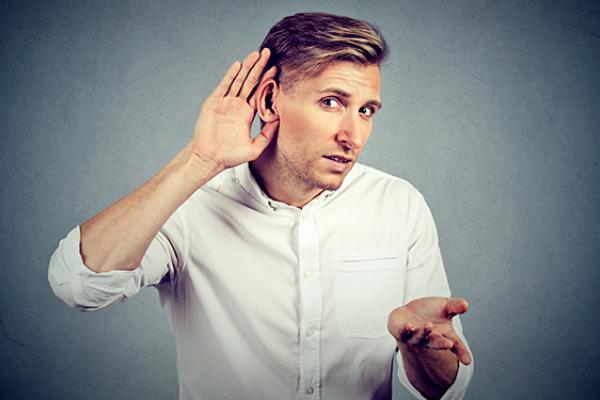
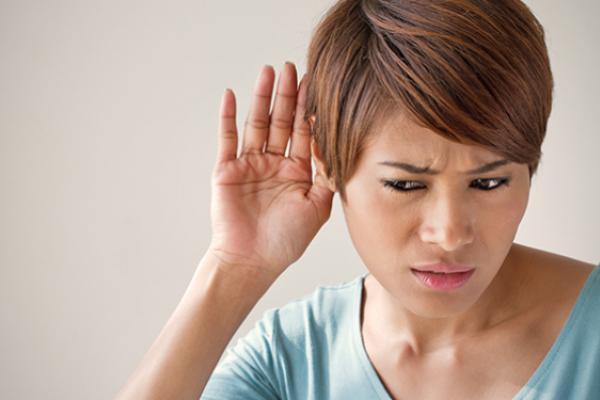
Imagine waking up one day to find you cannot hear out of one ear. This is the frightening reality for patients with sudden sensorineural hearing loss, also called sudden deafness, a rare condition that affects as many as 20 out of every 100,000 adults.
“The research and clinical community is still learning about this condition,” says Vancouver Coastal Health Research Institute (VCHRI) scientist Dr. Desmond Nunez.
“We often refer to sudden deafness by its defining features because we are still unclear about its causes.”
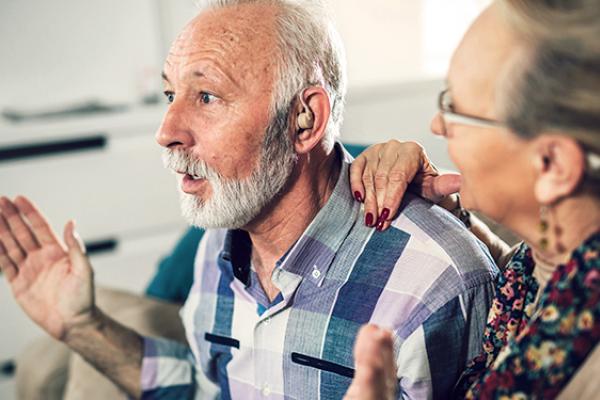
Hearing loss is a condition often associated with aging. In fact, it is estimated that 65 per cent of people over age 70 have significant hearing loss, which can cause difficulties socializing and going about daily activities. Hearing aids are currently the best solution for most hearing loss, but their cost may be deterring some patients from following through with recommendations to wear them.
It’s no secret that music can be a powerful emotional connector for people. From lullabies for babies, to dance songs on the radio, music moves people in ways that few other art forms can. For people in psychological distress, music can be a soothing and comforting form of therapy. That’s why Richmond Hospital’s Psychiatric Inpatient Unit makes music therapy available to its patients. Angie Ji, an accredited music therapist at Richmond Hospital, says the unique advantage of music therapy is that it is intrinsically beautiful.
Imagine suddenly realizing that you can’t hear as well as you did few days ago. You haven’t been exposed to loud noise, you don’t have symptoms of an ear infection, and you haven’t had enough birthdays to dismiss it as being due to old age. Your doctor’s diagnosis of “sudden hearing loss” doesn’t help you understand what’s going on or put you at ease. Vancouver Coastal Health Research Institute scientist Dr. Desmond Nunez would understand your frustration.