RADAR project to consult with drug users and frontline health staff.
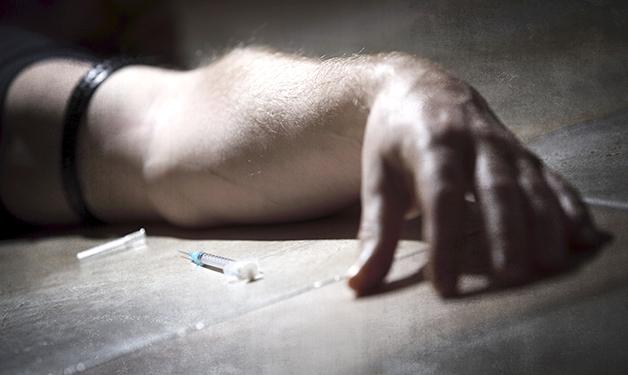
In recent months, B.C. has seen a sharp increase in the rate of accidental overdose deaths with drugs like fentanyl and W-18, which can be fatal at very low doses, hitting the streets disguised as other street drugs. But even prior to recent events, illicit drug overdoses have been on the rise in the province since 2011. The current system alerting people who use drugs (PWUD) about dangerous contamination or a spike in overdose deaths lags a week or two behind the data, putting lives at risk and highlighting the need for a better warning system. A new Vancouver Coastal Health Research Centre Institute (VCHRI)-funded project hopes to eliminate that lag and deliver real-time updates to PWUD.
Currently, the Drug Overdose Response Alert Partnership (DOAP) committee at the BC Centre for Disease Control is responsible for looking at data from BC Ambulance Service, Vancouver Coastal Health Emergency Department, Insite, and others, to see if there are any anomalies or blips in overdoses.
“However, that data comes at least a week after happening in the community,” Sara Young, DOAP member and community coordinator for Vancouver Coastal Health Authority Harm Reduction Programs, describes of the current system. “And because we’re not getting out that real-time data from service providers or substance users on the ground, it means that our alerts to PWUD are a bit delayed.”
The RADAR project aims to identify and develop a mechanism for integrating a new data collection tool (real-time community reports) with existing data streams to trigger a timely alert, and to explore and develop a mechanism for effectively disseminating data through timely alerts. The project is based on the hypothesis that real-time reporting from the community will improve the timeliness and accuracy of alerts, thereby reducing accidental overdose injuries and deaths.
“We need a system like RADAR because we’ve seen overdose rates continue to increase,” says Young, the project’s principle investigator.
“It’s important to get information out to people as quickly as possible about emerging concerns so they can make safer choices for themselves.”
Gaining PWUD’s insights critical to developing effective service
Still in its early stages, the 18-month project will involve interviewing and hosting focus groups with occasional, recreational, and regular PWUD from different socioeconomic groups.
“We’ll discuss with them what sort of system might work for reporting overdose events and drug contamination concerns, so we can send out more timely alerts,” says Young.
“From a harm reduction perspective, involving the people who’ll be accessing the services in developing and evaluating the RADAR system is so important because those services are not effective unless they meet the populations’ needs.”
After consulting with PWUD as well as front line health care workers who currently are most often responsible for sending out the alerts, the researchers then plan to look at a number of different notification system options.
“It could be something like a community voice mail, or a text message service, or possibly an app,” Young explains.
Young feels fortunate to have received the VCHRI grant and the opportunity that comes with it to be mentored by other researchers.
“I have a research background sociology degree, but my work day-to-day at VCH is service delivery, not research,” she says. “To be able to be mentored and supported by our chief medical health officer, public health surveillance unit, leaders within the BC Centre for Disease Control, and to have all of their support going forward with this project, is really meaningful for me.”