June is Brain Injury Awareness month in Canada, and Dr. Shelina Babul shares information and tips to help us keep our brains safe.
Q: How prevalent are brain injuries in Canada?
A: Brain injuries can range from mild traumatic brain injury, also known as a concussion, to moderate and severe brain injuries. A concussion is a brain injury caused when the brain moves rapidly back and forth inside the skull.
In Canada, it is estimated that there are 166,455 brain injuries each year1, and more than 11,000 of those individuals die from their injuries2. In British Columbia, there are an estimated 22,000 brain injuries due to trauma each year3.
The most common causes of brain injury resulting in hospitalization or death are falls, motor vehicle crashes, assault, and injuries related to sport and recreational activities.
Q: Can there be long-term brain damage with even a mild brain injury?
A: First, recognizing and responding to a mild brain injury, also known as a concussion, is paramount in the recovery process. Second, how it is managed will affect the brain’s ability to heal and influence long-term effects. A brain needs rest in order to heal, not just physical rest from strenuous activity, but also mental rest from things such as studying, reading, watching TV or playing video games. If rest is not provided, and the person continues with their regular activities, the risk of delaying the recovery period and suffering long-term effects are high.
Also, during the recovery period for a concussion, you are three times more likely to sustain a second concussion if your brain hasn’t fully healed and recovered.
Q: Is it true that children’s brains ‘bounce back’ and heal much faster than adults’ brains after a concussion or brain injury?
A: Actually, it’s quite the opposite. As the brains of children and youth are still developing, they often take longer to heal from concussion and injury than adult brains. During recovery, children and youth should first focus on returning to school before returning to their sport and recreational activities. They should adhere to the six-step Return to Learn and Return to Play protocols, and ensure they have been cleared by a licensed medical professional who is knowledgeable in concussions.
Q: If someone falls down and hits their head, but doesn’t go unconscious, could they still have a concussion?
A: It is important to note that concussions do not always include a loss of consciousness. Loss of consciousness is seen in approximately only 10 per cent of diagnosed concussions. A few red flag symptoms of concussion requiring immediate medical attention include (but are not limited to): neck pain, increased confusion or irritability, repeated vomiting, seizure or convulsion, weakness and/or tingling in arms/legs, and double vision.
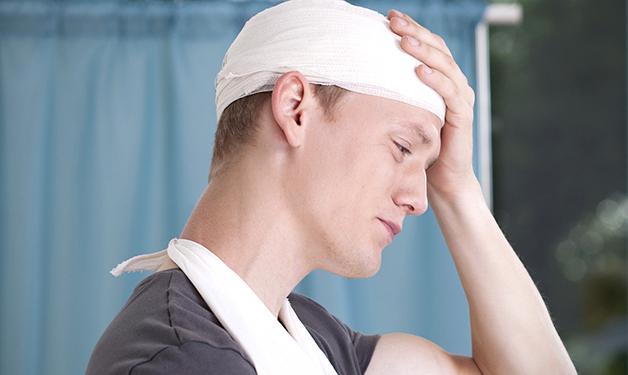
Some common immediate signs of concussion include: lying motionless on ground, being slow to get up, balance problems, uncoordinated movement, grabbing or clutching head, dazed, blank or vacant look, and confusion. Other signs and symptoms of a concussion may not appear immediately, and can be delayed, appearing subtly up to several days later, such as nausea, irritability, being more emotional, difficulty remembering or difficulty concentrating.
Q: What can we all do to prevent brain injuries and concussions?
A: For sport and recreational activities, the best ways to prevent brain injuries including concussion are to understand the injury risks of the activities you are participating in, follow the rules, wear the appropriate protective gear, and demonstrate respect for other players.
Make your home safe. Falls around the home are the leading cause of head injury for younger children and older adults. Keep your home well lit and your floors clutter free.
Wear sensible shoes. Shoes with good traction can protect you from injury.
Buckle your seat belt. Wearing a seat belt may prevent serious injury.
Ensure playgrounds are safe. Choose a well-maintained playground for your child with a ground surface made of shock-absorbing material.

1 Victoria Brain Injury Society
2,3 Northern Brain Injury Association