Congratulations to this year’s recipients of the Vancouver Coastal Health Research Institute Team Grant Awards.
Vancouver Coastal Health Research Institute (VCHRI) is proud to support research through Team Grant projects, which enable VCH staff and clinicians to collaborate with experienced researchers who will mentor them through the entire research process. These awards support practice-based research projects to build health research capacity to improve health care and the health system in British Columbia.
The 2026 VCHRI Team Grant recipients are:
- Dr. Peter Orth, physician at Groundspring Clinic
- Dr. Matteo Respino, clinical assistant professor and consultant psychiatrist at VCH and the UBC Department of Psychiatry
- Dr. Marnie Goodwin Wilson, physician of internal medicine at Vancouver General Hospital
- Dr. Bella Wu, physician at Richmond Hospital
- Dr. Sarah Hansen, rheumatology physician at St. Paul’s Hospital and clinical assistant professor with the Division of Rheumatology at the University of British Columbia (UBC)
Evaluating pain management for wound care in people with opioid use disorder
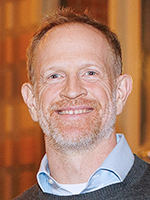
Project title: Intranasal Ketamine for Pain in Opioid use disorder Patients in the clinic setting (K-POP): A Randomized, Double-Blind, Placebo-Controlled Crossover Trial
Chronic lower limb wounds are common in Vancouver’s Downtown Eastside, and the care required to treat them often causes significant pain for people living with severe opioid use disorder (OUD). Existing pain medications are often ineffective due to opioid tolerance and opioid-induced hyperalgesia, resulting in inadequate pain control. As a result, some patients avoid or abandon treatment, increasing the risk of serious infections, limb amputation and other complications. This population is frequently unhoused, Indigenous and living with polysubstance use and mental health conditions, yet is often excluded from clinical research.
This study will evaluate whether low-dose intranasal ketamine can provide more effective pain relief during wound dressing changes than current standard care. Findings could support an evidence-based, non-opioid approach that improves patient-centered care, increase treatment adherence, reduces complications and decreases nursing time required for wound care.
“As a rapid, needle-free, non-opioid treatment, intranasal ketamine has the potential to offer a more practical approach to managing acute wound care pain for people living with severe opioid use disorder,” says Orth.
Supporting recovery after ketamine treatment for difficult-to-treat depression
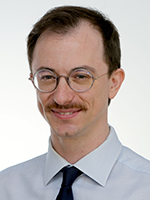
Project title: Recovery-focused Acceptance and Commitment Therapy combined with Ketamine (K-ACT) for patients with Difficult-to-Treat Depression: a feasibility study
Difficult-to-Treat Depression (DTD) is a common and debilitating condition. While parenteral ketamine is offered through the Ketamine Intervention Program at Vancouver Coastal Health, many patients continue to experience challenges with daily functioning and recovery, even when symptoms improve. The project explores whether additional psychological support can enhance meaningful recovery.
This study will evaluate the feasibility, safety and preliminary effectiveness of combining ketamine treatment with Acceptance and Commitment Therapy (ACT), a recovery-focused psychological intervention, which will be delivered virtually. The therapy will be integrated throughout treatment to support functional recovery while assessing impact on patients’ recovery experience, clinical response and daily functioning.
“By offering this combined K-ACT approach, we aim to create a free, evidence-based psychological rehabilitation pathway within the VCH system that improves day-to-day life in patients with depression undergoing ketamine treatments, increases accessibility for equity-deserving groups, and could be expanded across health care settings,” says Respino.
Strengthening post-ICU recovery care with pharmacist integration

Project title: Advancing post-ICU recovery care in VCH: feasibility and impact of pharmacist integration into the CCRP clinic
Patients discharged from the intensive care unit (ICU) often experience significant medication changes, yet few receive specialized follow-up. Data from Vancouver General Hospital (VGH) shows that over 90 per cent of ICU survivors leave hospital with medication changes, many involving potentially inappropriate prescriptions that may contribute to medication-related harm, avoidable readmissions and poorer long-term recovery.
This project will evaluate the integration of a clinical pharmacist into the Critical Care Recovery Program at VGH to support medication management, identify adverse drug events and optimize post ICU care. Through medication reconciliation, patient counselling and deprescribing, the research team will assess whether this approach improves recovery outcome and reduces harm, while generating evidence to support pharmacist integration in ICU recovery clinics across the province.
“Patient perspectives are an important part of this project and will help ensure future post-ICU recovery services reflect patients’ priorities and values while informing broader multidisciplinary models of care,” says Goodwin Wilson.
Making care information more accessible for Chinese-speaking patients

Project title: Equitable Implementation of Clinician-Verified AI After-Visit Summaries for Chinese-Speaking Otolaryngology Patients at VCH
While AI tools are increasingly being adopted to improve clinician efficiency, little is known about their impact on patients, particularly whose preferred language is not English. Patients whose preferred language is Chinese often receive after-visit summaries only in English, creating barriers to understanding their diagnoses and care plans. These language barriers can limit access to important health information and make it more difficult for patients to understand and manage their care.
This project will introduce clinician-verified, AI-generated after-visit summaries translated into Chinese and evaluate whether they improve patients’ understanding of their care compared with the current practice. The study will also assess whether translated summaries reduce follow-up inquiries, increase trust in AI-assisted documentation, and can be safely and practically integrated into routine outpatient care.
“This project advances equitable access to health care information for patients across VCH by establishing a safe, practical and scalable workflow for clinician-verified, AI-generated after-visit summaries translated into Chinese,” says Wu. “We hope this work will support the broader implementation of equitable AI-assisted documentation across VCH outpatient services and help ensure that language is not a barrier to understanding health care information.”
Building a provincial registry for autoinflammatory diseases

Project title: Building the Foundation for Autoinflammatory Disease Research and Quality Improvement in British Columbia: A Redcap Registry Initiative
Autoinflammatory diseases are rare disorders that cause recurrent fevers, pain and organ inflammation, and can lead to amyloidosis, stroke, hearing loss, deforming arthritis and other serious complications if left untreated. Patients often experience significant delays in diagnosis due to limited familiarity with these clinically variable conditions. Even after diagnosis, access to effective therapies remains limited, and the lack of standardized data makes these diseases difficult to study and manage.
This project will establish British Columbia’s first provincial adult autoinflammatory disease registry and database to enhance understanding of disease patterns, support earlier diagnosis and identify gaps in care. By creating a standardized system to collect and analyze patient data across the province, it will help inform more consistent approaches to diagnosis and care.
“The registry will create a foundation for future research, national and international collaborations, quality improvement initiatives and clinical trials, while supporting meaningful patient engagement to improve care for people living with autoinflammatory diseases in B.C.,” says Hansen.
Team Grants are made possible with the generous support of the VGH & UBC Hospital Foundation and Providence Research, in partnership with VCHRI.