Our experts explain why finding an optimal mix of physical activity, sedentary behaviour and sleep can make a big difference in improving our overall health.
When we think about healthy movement, exercise is often the first thing that comes to mind. But growing research is looking at how the way we move, sit and sleep throughout the entire day may contribute to our physical and mental health.
Vancouver Coastal Health Research Institute researchers Dr. Guy Faulkner and Meijun Hou share what new research reveals about our daily movement habits and their connection to our health and well-being.
Q: What are the 24-hour movement guidelines?
A: The 24-hour movement guidelines recognize that our health is shaped by three main movement behaviours across a 24-hour day: physical activity, sedentary behaviour (including recreational screen time) and sleep. Adults aged 18 to 64 years are recommended to engage in at least 150 minutes of moderate-to-vigorous aerobic physical activities per week, get seven to nine hours of sleep per night, limit sedentary time to no more than eight hours per day, and limit recreational screen time to no more than three hours per day.
While we acknowledge the benefits of physical activity, including exercise, this only accounts for a relatively small part of our daily lives. We also spend time sitting in class and at our desks, as well as while commuting, using screens, resting and sleeping. These behaviours all interact with one another. For example, spending more time being physically active may reduce sedentary time, and inadequate sleep can affect both physical activity and screen use the next day.
Rather than considering each behaviour alone, the 24-hour movement guidelines encourage us to think about achieving a healthy balance of these three movement behaviours.
Q: Your study followed the movement habits of more than 116,000 Canadian post-secondary students over seven years, including during and after the COVID-19 pandemic. What were some of the most important findings or trends that emerged?
A: Though possibly unsurprising to many, one of our study’s key findings was that meeting the recreational screen time guideline of less than three hours per day remained the biggest challenge for post-secondary students. On average, only 35.97 per cent of students met this guideline, which further declined over the seven-year period.
On a brighter note, following the COVID-19 pandemic, students had 28 per cent higher odds of meeting moderate-to-vigorous physical activity guideline, which includes activities such as brisk walking, running, strength training, playing sports and hiking. They also had 56 per cent higher odds of meeting the sedentary time guideline and eight per cent higher odds of keeping recreational screen time below three hours per day compared with the period during the pandemic. However, recreational screen time remained a challenge, with guideline adherence declining overall across the seven-year period. We also saw five per cent lower odds of meeting sleep guideline following the pandemic.
Q: What is the relationship between movement habits and mental health?
A: An important finding of the current study was the graded association between mental health and meeting the guidelines. Students reporting higher mental well-being and lower levels of mental distress were significantly more likely to meet the guidelines. These findings are consistent with prior literature describing bidirectional associations between movement behaviours and mental health. While healthier movement patterns have been associated with better mental well-being, poor mental health may also make it more difficult to maintain balanced daily routines.
Q: As students head back to campus and settle into new routines, what might be some of their biggest challenges to maintaining healthy movement habits?
A: One of the biggest back-to-school challenges is balancing academic demands with healthy movement habits. Students can spend long hours sitting in lectures, studying or commuting, which can lead to prolonged sedentary time.
Much of learning now also relies on using digital technology. Students spend considerable time on computers for coursework and assignments, and recreational screen time can easily add to that outside of class. These demands can make it difficult to stay physically active, limit screen time and get enough sleep.
Q: For people juggling classes, work and family responsibilities, what are a few realistic habits that can improve movement, reduce sedentary time or support better sleep?
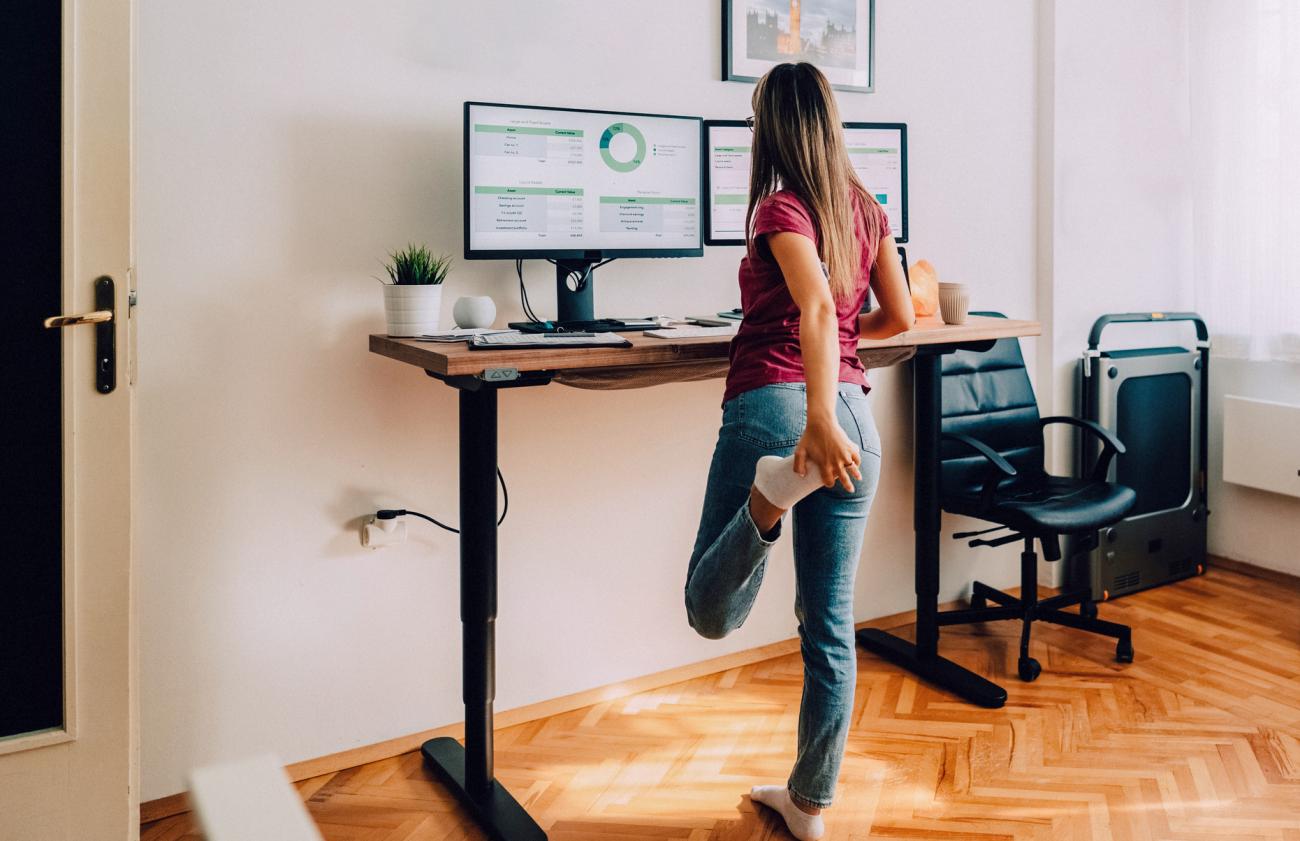
A: Small changes to your movement activities will be the most sustainable and will not require you to completely change your lifestyle overnight. If you have been sitting for 30 to 60 minutes, set an alarm to alert you to stand up, stretch, take a short walk or simply unplug from your screens for a few minutes.
It is equally important to build good sleep habits. For example, try to avoid using your phone in the 30 minutes leading up to bedtime and aim to maintain a consistent sleep routine.
In terms of screen time, we encourage people to swap a time when they would typically use screens recreationally and take a walk outside instead.
Q: What’s one misconception about exercise, screen time or sleep that more people should understand?
A: One misconception, particularly from a knowledge translation perspective and the general public, is that guidelines such as the Canadian 24-hour movement guidelines are ‘all or nothing’.
Meeting all these guidelines will be challenging at times — but research demonstrates that progressing toward any of the guideline targets will result in some health benefits. The key message is that replacing sedentary behaviour with additional physical activity and trading light physical activity for more moderate to vigorous physical activity, while preserving sufficient sleep, can provide greater health benefits.