
Our expert explains the impact of vigorous physical activity on cardiovascular health.
While regular physical activity is one of the most effective ways to make the heart stronger and more efficient, pushing the body past its limits can place unique demands on the cardiovascular system. For athletes and highly active individuals, especially those over 35 years of age or with underlying heart conditions, sustaining a healthy and challenging exercise routine for years to come requires understanding how to manage risk.
Vancouver Coastal Health Research Institute researcher Dr. Nathaniel Moulson discusses how the heart adapts to vigorous training over time, what warning signs to watch for while working out and ways athletes can safeguard their long-term heart health.
Q: I lead an athletic lifestyle. Is intense exercise good for my heart? How will my heart adapt to it over time?
A: Exercise is a great way to keep your heart healthy. Whether intense exercise is good for your heart depends on whether you have an underlying cardiac condition or disease. There are also some structural changes and adaptations that your heart may undergo depending on the type, frequency and intensity of exercise undertaken.
Exercise fits into two broad categories: endurance exercise and strength exercise. Frequent endurance training, like long-distance running or rowing, can cause the size of your heart to grow bigger to allow it to pump more blood with each heartbeat. If you do a lot of strength training, like weightlifting, it is possible for your heart to get slightly thicker to be able to tolerate increased, repetitive force.
Q: If I have a preexisting heart condition, how cautious should I be about training intensity or frequency?
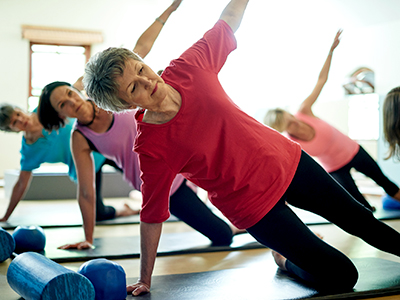
A: Recreational activities, like walking, cycling or Pilates, are recommended for nearly everyone, including people with an underlying heart condition. However, if you have an underlying heart condition, you should speak with a doctor before pursuing higher-intensity activities, like running a marathon or playing a contact sport. These activities are not necessarily off limits, but it may take a more nuanced approach to tailor your exercise regimen to your condition. For example, competitive powerlifting may place unsafe levels of stress on the cardiovascular system of individuals with significant aortic disease, and should generally be avoided by this patient group. However, the guidance for each activity may vary from individual to individual.
Q: What warning signs should I pay attention to during or after intense exercise?
A: Chest pain is an indication that something may be wrong and requires urgent attention, particularly if it presents while increasing exercise intensity and subsides during rest. Some shortness of breath is typical with exercise, but it is a cause for concern if it seems to be disproportionate to the intensity of the activity. A sudden, unexplained decline in exercise performance that is unrelated to deconditioning or training changes is also a reason to seek medical advice.
Q: How can I use technology, such as wearables, to support safe training and early detection of potential issues?
A: As wearable technology evolves, these devices are becoming more advanced, with capabilities that can monitor heart rate during exercise and capture real-time data. While more research on the clinical relevance of these devices is needed, they can provide you with useful health- and fitness-related information and support conversations with your doctor.
Q: What steps can I take to protect my heart health throughout training and competition?
A: Exercise is one of the best ways to protect your heart health over the long-term. However, it is crucial to also ensure that any cardiovascular risk factors are well managed, particularly if you are over the age of 35. You cannot outrun your risk factors — if you smoke, eat an unhealthy diet or have high blood pressure, exercise is helpful but will not negate the need to address these risk factors. On top of staying fit, it is important to follow the guidance of medical professionals, modify lifestyle habits and manage any underlying conditions to protect your heart and overall health.
Q: How much exercise is optimal for longevity and health?
A: When planning an exercise routine, think about your reasons for doing exercise. If you aim to compete in a sport, you may require an advanced regimen tailored to optimize performance and reduce injury. However, if your main goal is to optimize health and longevity, a well-rounded combination of endurance and strength training is the best approach.
Most contemporary guidelines recommend that everyone strive for at least 2.5 hours of moderate- to vigorous-intensity exercise per week. Additional exercise can provide greater benefits to a point, but there is some evidence that high lifetime exposure to vigorous exercise may increase the risk of developing heart problems, such as atrial fibrillation. It is all about striking a healthy balance.