Main menu

  • About Us
    • Leadership
    • Our Team
    • Vision, Mission and Values
    • Health and Economic Impact
    • Research Impact Video
    • Strategic Plan
  • Our Research
    • Research Focus
      • Brain Health
      • Cancer
      • Digital Health and Artificial Intelligence
      • Heart Health
      • Healthy Aging and Mobility
      • Immune System
      • Injury and Rehabilitation
      • Lung Health
      • Mental Health and Substance Use
    • Research Centres and Programs
      • BC Centre on Substance Use
      • Centre for Aging SMART
      • Centre for Clinical Epidemiology and Evaluation
      • Centre for Lung Health
      • Dilawri Cardiovascular Institute
      • Djavad Mowafaghian Centre for Brain Health
      • Immunity and Infection Research Centre
      • International Collaboration On Repair Discoveries
      • M. H. Mohseni Institute of Urologic Sciences
      • Ovarian Cancer Research Centre
      • Community Research Program
      • Emergency Medicine Research Program
      • Hematology Research Program
      • Skin Research Program
      • Other Research Focus Areas
    • News and Stories
    • Researcher Directory
    • Events and Workshops
  • Research Services
    • New to VCHRI
      • Working at VCHRI
      • Regulations and Training
      • Membership with VCHRI
      • Learning and Development
    • Starting Your Project
      • Research Facilitation
      • Awards and Funding
      • Grant Management
      • Operational Approval
      • CST Cerner
    • Developing Your Project
      • Clinical Trials Administration
      • Clinical Research Unit
      • Research Privacy
      • Financial Policies and Procedures
    • Additional Support
      • Indigenous Health Research Unit
      • VCH-VCHRI AI Hub
      • Communications and Media Relations
      • Study Recruitment Support
      • Innovation and Industry Partnership
    • Internal Awards
    • Clinical Research
    • Indigenous Research
  • Participate in Research
    • Reasons to Participate
    • Participant Stories
    • Find a Study
    • Recruitment Support

User menu

  • Log in

Breadcrumb

  1. Home
  2. Our Research
  3. News and Stories
  4. Increasing survival from high-risk heart attacks with EARLY SHOCK

Increasing survival from high-risk heart attacks with EARLY SHOCK

Stories Dec 3, 2025 3 minutes

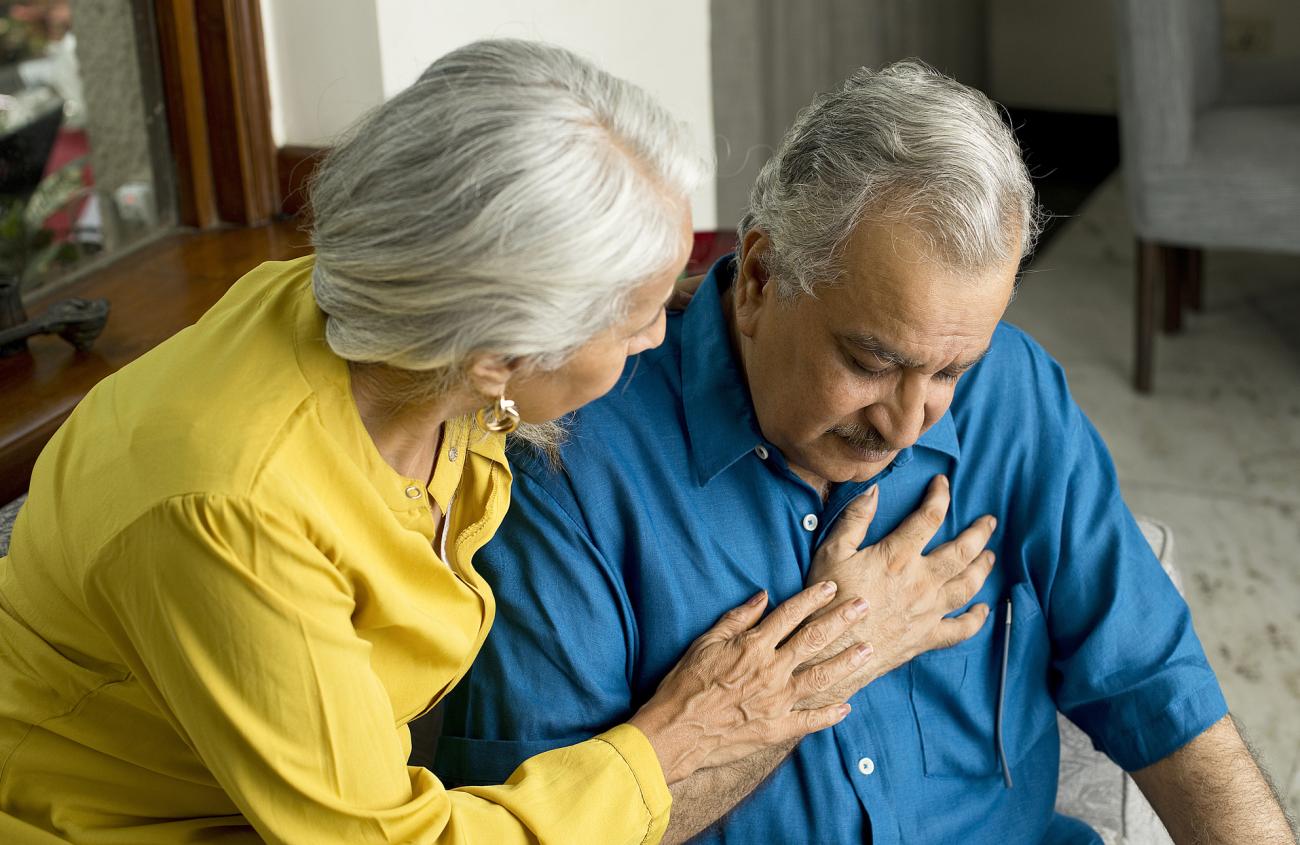
Researchers identified eight indicators of cardiogenic shock to help emergency responders and health care teams initiate early care interventions.

A new early warning system could make significant headway in the prevention of cardiogenic shock, a heart condition with an approximate 50 per cent chance of survival. A study led by Vancouver Coastal Health Research Institute researcher Dr. Christopher Fordyce introduced the EARLY SHOCK risk scoring algorithm, a novel approach to detect the signs and symptoms of cardiogenic shock.
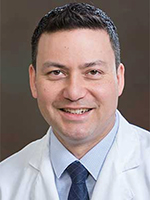
Dr. Christopher Fordyce is an associate professor in the Division of Cardiology at the University of British Columbia, director of the Cardiac Intensive Care Unit at Vancouver General Hospital and clinical lead for site-based research at the Centre for Cardiovascular Innovation, Dilawri Cardiovascular Institute.

Cardiogenic shock is an emergency situation characterized by the heart’s inability to pump sufficient blood throughout the body to maintain vital functionality. It often occurs following a severe heart attack, particularly an ST-elevation myocardial infarction (STEMI) heart attack from a complete blockage of a coronary artery — although heart attack is not necessary for cardiogenic shock to occur. 

“Time is of the essence when someone experiences cardiogenic shock,” shares Fordyce. “An accurate, timely diagnosis significantly enhances the ability of health care teams to amass the right specialists and initiate the appropriate treatment interventions.”  

“The faster the condition is diagnosed and treated, the greater the odds of saving the patient and the better the long-term health outcomes.”

Presently, cardiogenic shock can be masked by symptoms associated with other heart conditions, making a rapid diagnosis challenging. The EARLY SHOCK score created by Fordyce and his team removes the guesswork with a standardized approach to assess the signs and symptoms of cardiogenic shock.

Rapid cardiogenic shock triaging helps make every minute count

Researchers analyzed the hospital records of 2,736 STEMI patients admitted to a Vancouver Coastal Health facility between April 1, 2012 and December 31, 2020. To be included in the study, STEMI patients had to have been treated with conventional primary percutaneous coronary intervention (PCI) to pump blood through their bodies. 

While most STEMI patients did not develop cardiogenic shock, 451 did, representing 15 per cent of individuals included in the analysis. Researchers scanned these patient records for patterns, with the EARLY SHOCK score comprising eight clear-cut independent clinical predictors of cardiogenic shock identified by the research team.

“These early warning signs can help health care team members rapidly identify the signs and symptoms of cardiogenic shock.”

The EARLY SHOCK score is a matrix that first responders and medical staff can use to assess a patient’s risk of developing cardiogenic shock. The eight variables included in the score are: a patient’s: 1) heart rate, 2) systolic blood pressure and 3) age. The score also looks at: 4) whether the patient experienced cardiac arrest, 5) the location of the blockage in the heart, 6) the patient’s history of heart failure, 7) whether the patient has diabetes and 8) whether the patient receives renal replacement therapy for kidney failure. 

With many patients diagnosed with STEMI while being transported to hospital by paramedics, the EARLY SHOCK score could help with early identification and the mobilization of specialized care team members prior to the patient’s arrival in hospital. 

“Hospitals across North America have begun assembling specialized, multidisciplinary cardiogenic shock teams to treat patients with this condition,” shares Fordyce. “The EARLY SHOCK score can help to streamline this process, giving hospitals more time to assemble shock teams for emergency patient care.” 

“The EARLY SHOCK score can help with triaging patients, reducing delays to care.” 

Fordyce and his team are in the midst of validating EARLY SHOCK in a multi-centre study of STEMI patients. Ultimately, the team hopes to develop a printable pocket card or one-pager, and digital version of an EARLY SHOCK score to share with first responders and health care teams.  

“Every minute makes a difference,” says Fordyce. “The greatest difference in patient outcomes often occurs within the first hour of presentation with STEMI or cardiogenic shock.” 

Researchers

Christopher Fordyce

Related Articles

Personalized treatment approaches needed for female heart disease risk

Welcoming the new Dilawri Cardiovascular Institute to VCHRI

Preventative heart care leverages family connections

Share:

  • Facebook
  • Linkedin
  • Bluesky
  • Email

Related Research Centres/Programs

Dilawri Cardiovascular Institute

Get the latest research headlines in your inbox

Subscribe

Recent News and Stories

Type
Announcement

Reflecting on resilience, renewal and the road ahead

Dec 8, 2025
Type
Stories

Canadians are at high risk of kidney stones: Dietary interventions could help

Dec 4, 2025 kidney, preventative, diet
Type
Announcement

Vancouver Coastal Health Research Institute recognized as one of Canada’s leading hospital-based research institutes

Dec 4, 2025
See more news

Get updates!

Join our newsletter mailing list to stay up to date on features and releases.

Subscribe

Quick Links

  • News and Stories
  • Careers
  • Events
  • Media Enquiries

Follow Us

  • LinkedIn
  • Bluesky
  • YouTube

© 2025 VCHRI. All rights reserved.

  • Contact
  • Privacy Policy