Main menu

  • About
    • Leadership
    • Our Team
    • Vision, Mission and Values
    • Health and Economic Impact
    • Strategic Plan
    • News and Stories
    • Careers
  • Research
    • Research Focus
      • Brain Health
      • Cancer
      • Digital Health
      • Healthy Aging and Mobility
      • Heart Health
      • Immune System
      • Injury and Rehabilitation
      • Lung Health
      • Mental Health and Substance Use
      • Other Research Focus Areas
    • Research Centres and Programs
      • BC Centre on Substance Use
      • Centre for Aging SMART
      • Centre for Clinical Epidemiology and Evaluation
      • Centre for Lung Health
      • Dilawri Cardiovascular Institute
      • Djavad Mowafaghian Centre for Brain Health
      • International Collaboration On Repair Discoveries
      • M. H. Mohseni Institute of Urologic Sciences
      • Ovarian Cancer Research Centre
      • Community Research Program
      • Emergency Medicine Research Program
      • Hematology Research Program
      • Skin Research Program
    • Research Cores
      • Clinical Trials Platform
      • VCH-VCHRI AI Hub
      • Indigenous Health Research Unit
    • Researcher Directory
    • Events and Workshops
    • Participate in Research
  • Research Services
    • New to VCHRI
      • Working at VCHRI
      • Regulations and Training
      • Membership with VCHRI
    • Research Development
      • Awards and Funding
      • Research Facilitation
      • Grant Management
      • Learning and Development
    • Contracts and Compliance
      • Contract Facilitation at VCHRI
      • Operational Approval
      • Research Privacy
      • Clinical Trials Administration
    • Research Support
      • Communications and Media Relations
      • Financial Policies and Procedures
      • VCH-VCHRI AI Hub
    • Internal Awards
    • Clinical Research
    • Indigenous Research
  • Clinical Trials
    • Clinical Trials Platform
      • Phase 1 Clinical Trials Research Unit
      • Hematology Research Unit
      • Clinical Research Unit
    • Find a Study
    • Researcher Directory
  • Participate in Research
    • Reasons to Participate
    • Participant Stories
    • Find a Study
    • Recruitment Support

User menu

  • Log in

Breadcrumb

  1. Home
  2. Research
  3. Participate in Research
  4. Rehabilitation research site proves far-reaching and influential among health care providers

Rehabilitation research site proves far-reaching and influential among health care providers

Stories Mar 8, 2015 3 minutes

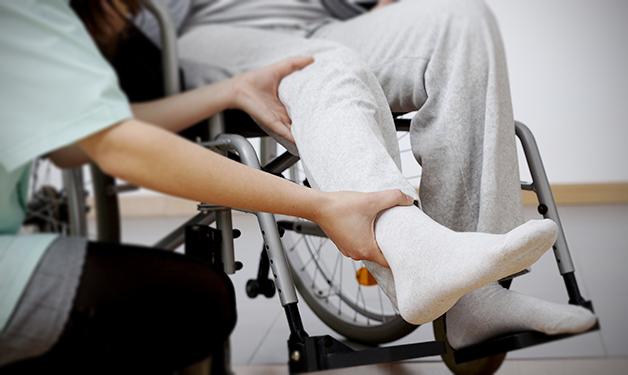
Research and clinical practice co-existence at rehabilitation research lab sparks ingenuity.

A project born out of researcher-clinician collaborations through the Rehabilitation Research Program, a Vancouver Coastal Health Research Institute (VCHRI) program located at the G.F. Strong Rehabilitation Centre, is demonstrating how an online health resource can be highly credible and effective in disseminating research information, so much so that frontline clinicians change how they treat their patients.

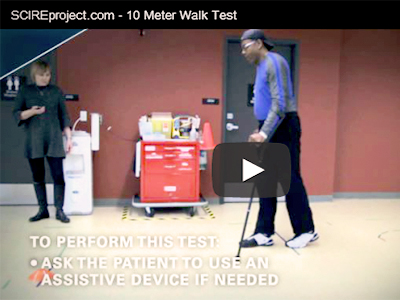
The Spinal Cord Injury Research Evidence (SCIRE) Project, or scireproject.com, is a knowledge translation program aimed at helping inform clinicians as to best practices around spinal cord injury. SCIRE places all research in one online resource that provides a synthesis of the evidence underlying spinal cord injury interventions. 

A recently published evaluation study in the Journal of Medical Internet Research found SCIRE to be far-reaching and effective in sharing information about evidence-based practice to an interdisciplinary audience. The study also found that outcome assessments were the most frequently sought materials through the site and SCIRE also appeared to serve as a one-stop resource for informing practice as well as to confirm or provide a rationale for existing practice.

“SCIRE provides a sense of credibility for users as well for those of us who are clinicians, clinician scientists, and researchers working in this field,” says Dr. Janice Eng, director of the Rehabilitation Research Program and professor in the Department of Physical Therapy at the University of British Columbia. 

“SCIRE’s success stems from the unique ability that researchers and clinicians have to work together through the Rehabilitation Research Program.”
Clinicians and researchers all in one place an ‘ideal’ model

The Rehabilitation Research Program aims to bring like-minded scientists and clinicians together to discover innovative rehabilitation solutions, translate rehabilitation discovery, share knowledge and expertise, and train the next generation of rehabilitation researchers, all to improve the lives of people with disabilities and their families.  Research is targeted at the patients treated at GF Strong Rehab Centre, including patients with stroke, traumatic brain injury, limb amputation, and spinal cord injury.

“Because we’re situated in the hospital, we have a huge opportunity placing research intimately with the clinical environment to really translate our results and change lives through rehabilitation,” says Dr. Eng.

“I need to be both where the patients are and where I can answer clinicians’ relevant questions and get their opinions – it’s no use for me to develop projects in isolation,” she adds. “I think that having units that integrate research and clinical service together is an ideal model.”

On April 22, 2015, Dr. Eng and her colleagues will host the sixth annual G.F. Strong Rehabilitation Centre Rehabilitation Research Day. The primary goal of the event is to share the program’s research with members of Vancouver Coastal Health.

The event offers a range of discussion topics, including novel ideas such as the potential of using 3D printing in rehabilitation. Keynote speaker Dr. Richard Macko from the University of Maryland Medical Centre will be talking about the use of exercise and robotics in maximizing outcomes after rehabilitation.

Click here for more information about the G.F. Strong Rehabilitation Centre Rehabilitation Research Day.

Researchers

Janice Eng

Related Articles

Navigating breastfeeding after spinal cord injury

Behind the lab doors: Investigating blood biomarkers as a window into brain health at Wellington Laboratory

Revolutionizing powered wheelchair training for spinal cord injury recovery

Share:

  • Facebook
  • Linkedin
  • Twitter
  • Instagram
  • Email

Related Research Centres/Programs

Centre for Aging SMART

Get the latest research headlines in your inbox

Subscribe

Recent News and Stories

Type
Stories

Ask an expert: How can I strike a healthier balance with my daily habits?

Sep 10, 2026 exercise, mobility
Type
Stories

Moving endometrial cancer prevention upstream

Sep 8, 2026 women, cancer, uterine
Type
Stories

Improving respiratory protection for wildland firefighters

Sep 3, 2026 lung, environment, safety
See more news

Get updates!

Join our newsletter mailing list to stay up to date on features and releases.

Subscribe

Quick Links

  • News and Stories
  • Careers
  • Events
  • Media Enquiries

Follow Us

  • LinkedIn
  • Instagram
  • Bluesky
  • YouTube

© 2026 VCHRI. All rights reserved.

  • Contact
  • Privacy Policy