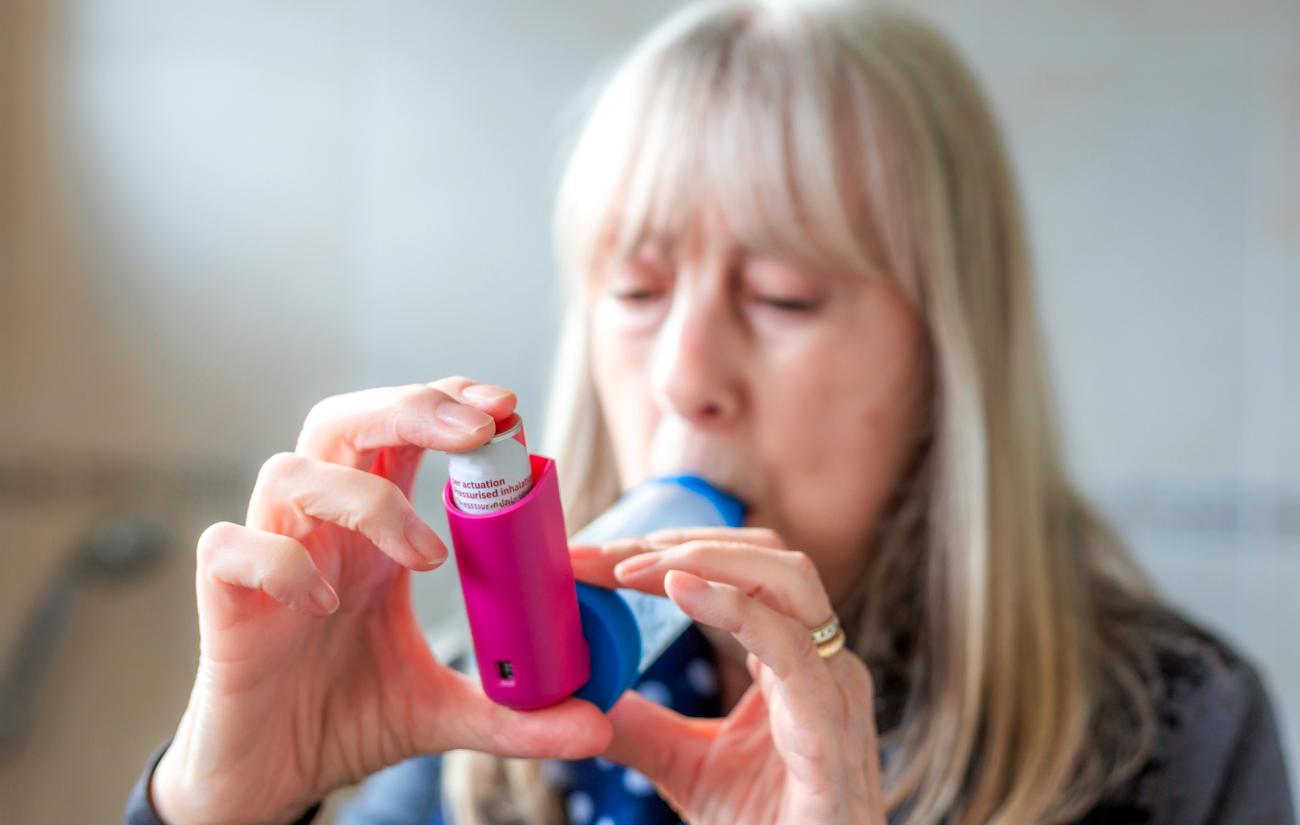
Our expert shares science-backed steps you can take to help reduce asthma triggers at home.
Asthma is the third most common chronic disease in Canada, affecting nearly 4.6 million people. Common symptoms such as shortness of breath, chest tightness, coughing and wheezing can range from mild to severe. While there is currently no cure for this inflammatory airway disease, effective treatment can help people with asthma lead full and active lives.
Vancouver Coastal Health Research Institute (VCHRI) respirologist Dr. Céline Bergeron shares practical strategies for managing asthma triggers at home and explains how different inhalers work to control symptoms.
Q: What is asthma, and how does it affect my lungs?
A: Asthma is a chronic inflammatory condition of the airways. When exposed to irritants, the airways become swollen and narrow and produce excess mucous, making it harder to breathe. This leads to symptoms such as cough, shortness of breath, chest tightness and wheezing.
If left untreated, ongoing inflammation can damage the airways and potentially lead to irreversible loss of lung function. Fortunately, asthma is relatively easy to diagnose and treat. With appropriate care, most people with asthma can maintain normal lung function and carry out daily activities without limitation.
Q: What’s the connection between asthma and allergies? How does pollen, air quality or weather changes affect asthma symptoms?
A: Many people with asthma also have environmental allergies, such as to pollen, pets, dust mites or mold. These allergens can trigger airway inflammation, and when inhaled, can cause or worsen asthma symptoms.
Poor air quality can also irritate the lungs and lead to inflammation. Although weather changes do not directly cause asthma, conditions like cold, dry air can irritate the airways. Maintaining regular treatment helps strengthen airways and reduce sensitivity, providing better protection against these environmental triggers.

Q: What steps can I take at home to reduce asthma triggers?
A: Identifying and avoiding personal asthma triggers is key. If you are allergic to dust mites, using anti-dust mite mattress and pillow covers can help. During winter, covering your nose and mouth with a scarf will help warm up the cold air before you breathe it in. HEPA air filters are useful during pollen and wildfire seasons to limit indoor air pollutants inside your home. It is also recommended to quit smoking, as smoke is known to trigger symptoms. If exercise provokes your symptoms, using a rescue inhaler before physical activity can prevent flare-ups. Regardless of your triggers, daily use of maintenance medication is important for long-term control.
Q: What are the most common treatments for asthma, and how do I know if they’re working?
A: Aside from avoiding triggers and maintaining a healthy lifestyle, the recommended treatment for asthma maintenance is a combined inhaled corticosteroid with long-acting beta-2 agonist (LABA) bronchodilator. Inhaled corticosteroids deliver a low dose of steroids directly into the airways, which reduces inflammation and improves control over time. Long-acting bronchodilators open the airways by relaxing the muscles around the lungs, providing immediate relief from symptoms. Taking these medications regularly as prescribed by your doctor is necessary to avoid excess mucous production, decline in lung function and airway remodelling. Signs that your treatment is working include fewer symptoms, less flare-ups and better ability to carry out daily activities and exercise.
Less than five per cent of asthma patients have severe asthma, in which more specialized treatments may be needed. Biologic therapies are given as injections under the skin to target specific pathways involved in inflammation, offering an effective option for managing uncontrolled severe asthma.
Q: How is research advancing new treatments or technologies to improve quality of life for people living with asthma?
A: Recent research developments have led to once-daily rather than twice-daily combination inhalers, making it easier for people to stick to their treatment routines. There are also various types of inhaler devices available to allow clinicians to choose the one that best fits a patient’s preferences and needs.
Ongoing research is exploring new oral medications that target the biological pathways involved in inflammation. In addition, real-world studies from asthma registries are helping researchers understand patterns across asthma populations. For example, a recent study found that people with asthma often also have chronic sinusitis or nasal polyps, highlighting the importance of treating these related conditions to achieve better asthma control overall.