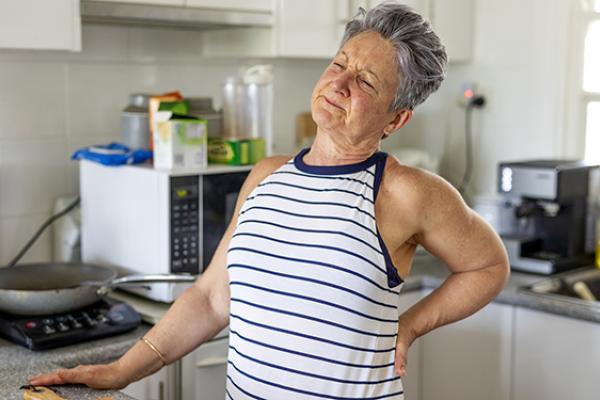
Injuries of all kinds set off reactions within the body that can both help and hinder recovery. When it comes to damaged nerves, the sooner the healing process gets underway the better in terms of avoiding acute and potentially chronic pain caused by nerve damage, as found in carpal tunnel or sciatica.
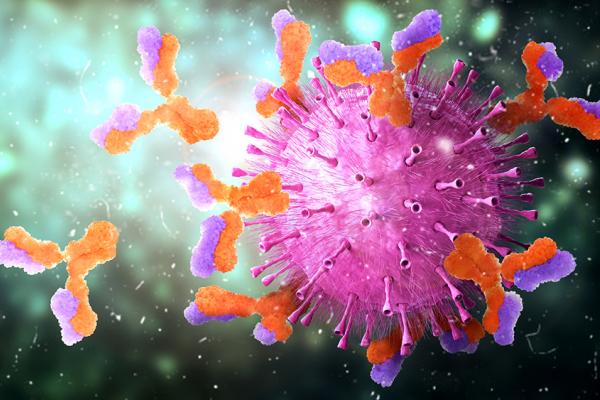
While a vaccine is the primary medical intervention to prevent the spread of the SARS-CoV-2 virus, tracking and evaluating its effectiveness will be equally important. T-cells could answer important questions about both infection and immunity rates, along with the longevity of immunity protection.
The Granzyme B (GzmB) enzyme has been identified as a driver of itchy and sometimes life-threatening pemphigoid diseases (PDs): autoimmune conditions that cause blistering and skin erosion that originate below the skin’s surface. New research led by Vancouver Coastal Health Research Institute (VCHRI) scientist Dr. David Granville has found that a gel containing a specific and potent inhibitor of GzmB activity, VTI-1002, resulted in significant skin improvements.
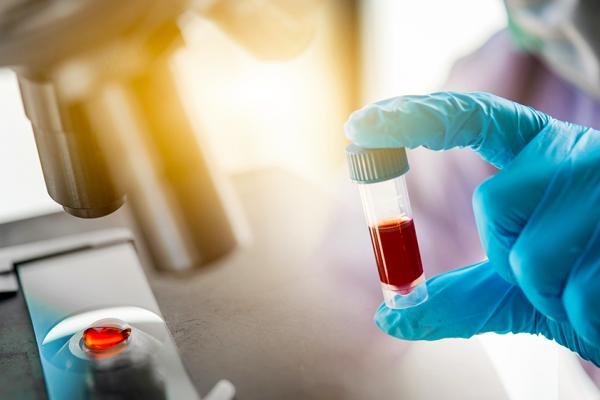
Liquid biopsies that examine circulating tumour DNA (ctDNA) could be a game changer in aggressive bladder cancer diagnostics, according to the findings of a new study led by Vancouver Coastal Health Research Institute (VCHRI) researcher Dr. Alexander Wyatt. The study was published in Nature Communications in January 2021.
Staying fit is an important part of overall health, but many of us are keen to avoid the soreness and stiffness that can follow a good workout. Dr. Chris Napier demystifies some popular muscle recovery methods, and gives us the low-down on science-based approaches that could make your new exercise routine more enjoyable and effective.
Nocturnal discharges from the intensive care unit (ICU) are statistically linked to worse patient outcomes, including readmission to the ICU and a higher risk of mortality. However, new research out of Vancouver Coastal Health Research Institute (VCHRI) has found that Vancouver General Hospital’s (VGH's) novel follow-up care may be adding a layer of protection against this concerning trend.
Hearing from youth about how the COVID-19 pandemic is impacting them is a central goal of the FOCUS study. Led by Vancouver Coastal Health Research Institute researcher Dr. Rod Knight and Dr. Pierre-julien Coulaud, the study asks youth between the ages of 18 and 29 to fill out a 20-minute online survey to share their thoughts on such things as COVID-19 policies, how they are coping during the pandemic and what supports they need.
Vancouver, BC - Cryoballoon ablation produced better outcomes than antiarrhythmic drug (AAD) therapy among individuals receiving their initial treatment for atrial fibrillation (AF), according to the results of a new study led by Vancouver Coastal Health Research Institute scientist Dr. Jason Andrade.
Long before COVID-19 forced residents to self-isolate or stay close to home, Vancouver Coastal Health Research Institute (VCHRI) scientist Dr. Thalia Field and her collaborators had been focusing on how individuals living far away from research centres in B.C. and Canada could access post-stroke care and participate in clinical trials.