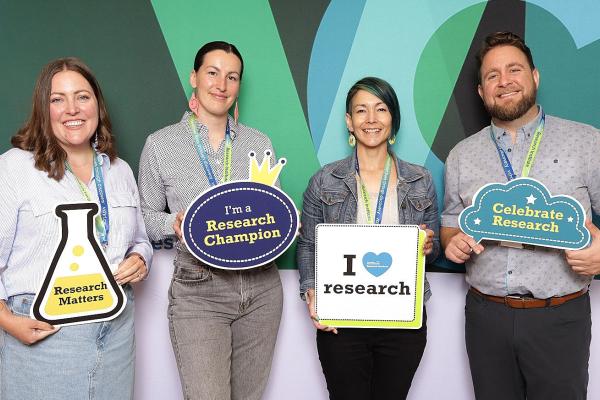
Research is crucial to improving health outcomes and unlocking the potential of new medication, treatments and medical devices. However, it has historically excluded certain groups, including Indigenous Peoples, leading to biased results that do not accurately reflect the experiences of all Canadians. Expanding research to be more inclusive ensures findings are more representative of the broader population, leading to more impactful outcomes.
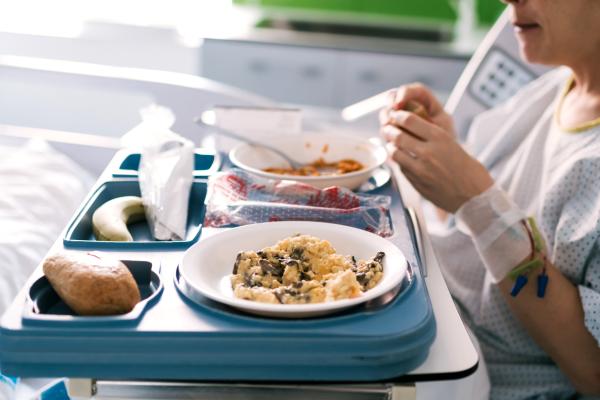
A new project led by Vancouver Coastal Health Research Institute (VCHRI) researcher Dr. Chenoa Cassidy-Matthews is working alongside Nuxalk Nation community members in Bella Coola, British Columbia, to incorporate culturally appropriate foods at the Bella Coola General Hospital (BCGH).
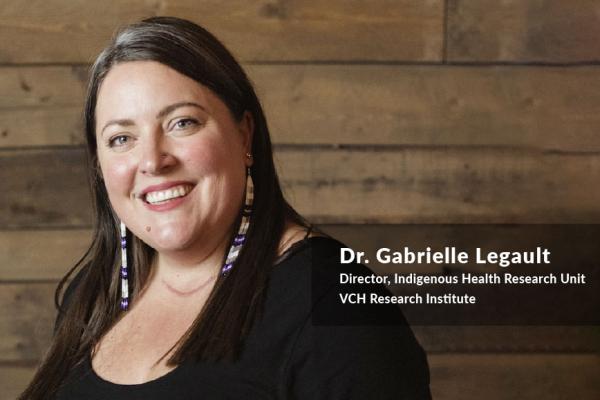
We are excited to announce the establishment of the Indigenous Health Research Unit at Vancouver Coastal Health Research Institute (VCHRI), a significant milestone in our commitment to advancing Indigenous health research, fostering collaboration as well as improving health outcomes for Indigenous communities. This new unit will be promoting Indigenous health equity, cultural safety and self-determination through community-driven research initiatives and meaningful partnerships.
Often seen as a universal right of all Canadians, accessible and culturally safe health care is out of reach for many Indigenous Peoples in the B.C. health care system, according to research led by Vancouver Coastal Health Research Institute researcher Dr. Brittany Bingham.
“Historically, Indigenous women’s voices have not been heard in the health care system, and their opinions were not sought,” says Colleen Stewart, a researcher at the Vancouver Coastal Health Research Institute (VCHRI). While much progress has been made, more work is needed to provide culturally appropriate care for Indigenous women.