Congratulations to the recipients of the 2026 Innovation and Translational Research Awards.
Advancing research from discovery to real-world application is essential to improving health systems and patient outcomes. Vancouver Coastal Health Research Institute (VCHRI) is proud to support investigators and their groundbreaking health research with the Innovation and Translational Research Awards. This year’s recipients are putting new knowledge into practice, implementing research in clinical settings and advancing innovations with the potential for commercialization.
The 2026 Innovation and Translational Research Award recipients are:
- Dr. Lori Brotto, professor in the UBC Department of Obstetrics and Gynaecology
- Dr. Mark Elliott, clinical assistant professor in the UBC Department of Medicine
- Dr. Brian Kwon, professor in the UBC Department of Orthopaedics
- Dr. James Lan, assistant professor in the UBC Department of Pathology and Laboratory Medicine
- Dr. Zhenwei Ma, assistant professor in the UBC Department of Surgery
- Dr. Mypinder Sekhon, clinical associate professor in the UBC Department of Medicine
- Dr. Karen Sherwood, clinical associate professor in the UBC Department of Pathology and Laboratory Medicine
- Dr. Joe Tay, family physician at Vancouver Coastal Health
- Dr. Fidel Vila-Rodriguez, associate professor in the UBC Department of Psychiatry
Does virtual reality have potential for routine vaginismus care?

Study: Implementing virtual reality exposure therapy for vaginismus: From efficacy to clinical integration
Funded by: VGH & UBC Hospital Foundation
Vaginismus is a common but often misunderstood condition involving fear and involuntary muscle tightening during vagina insertion, making sexual activity, medical exams and routine care challenging. Gradual exposure therapy is effective but typically requires specialized support that is not widely accessible.
Dr. Lori Brotto has developed a virtual reality (VR) approach to support exposure therapy in a controlled and accessible way. Early findings show participants felt more relaxed, more open to vaginal insertion and more confident engaging in sexual activity. This project will advance the integration of the VR program into a specialized vulvar health clinic at VCH.
“My team will work closely with clinicians and patients to understand what supports or limits the use of VR, how acceptable it is and whether it improves fear, pain and engagement in treatment,” says Dr. Brotto. “Our goal is to integrate this approach into routine vaginismus care.”
Is adaptive long-read sequencing viable for kidney disease genetic testing?

Award: Early Career Researcher
Study: Using adaptive long-read sequencing for rapid genetic diagnosis to improve kidney care
Funded by: Providence Health Care
Kidney disease significantly impacts quality of life and can lead to early death. Genetic causes are identified in approximately 40 per cent of adults undergoing genetic testing, often informing treatment decisions and reducing the need for invasive tests such as kidney biopsies.
Dr. Mark Elliott’s project explores adaptive long-read sequencing to perform kidney disease genetic testing locally in Vancouver, which would provide a faster, more comprehensive alternative to standard testing methods. The study will compare diagnostic performance and costs.
“This approach could expand access to genetic testing, provide more comprehensive results and reduce reliance on out-of-province companies,” says Dr. Elliott. “We expect that implementing this new approach will improve diagnosis and patient care.”
Could a point-of-care biomarker test improve spinal cord injury diagnostics?

Study: Point-of-care blood-biomarker testing in spinal cord injury
Funded by: VGH & UBC Hospital Foundation
Spinal cord injury (SCI) is a life-altering injury, and accurately assessing severity and predicting recovery remains a persistent clinical challenge. Current approaches rely heavily on physical examination and imaging, which can be limited in the early stages following injury.
Building on prior research demonstrating that the biomarker GFAP improves diagnostic precision, this collaborative initiative between Dr. Brian Kwon at the International Collaboration on Repair Discoveries and Dr. Sophie Stukas at the Djavad Mowafaghian Centre for Brain Health will evaluate a handheld point-of-care device (iSTAT) that enables rapid measurement at the bedside. The device requires only a small blood sample and can return results within minutes, supporting more timely clinical decision-making.
“Using iSTAT to measure GFAP could provide rapid insight into spinal cord damage and support timely treatment decisions,” says Dr. Kwon. “This project could enable broader access to advanced diagnostics across B.C., including in settings where specialized testing is not currently available.”
Can precision diagnosis of microvascular inflammation improve kidney transplantation?
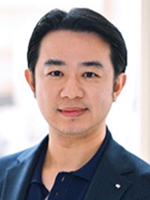
Study: Precision diagnosis of microvascular inflammation in kidney transplantation
Funded by: VGH & UBC Hospital Foundation
While kidney transplantation offers the best outcomes for patients with kidney failure, long-term success is limited by immune-related complication. Microvascular inflammation is a leading cause of premature kidney transplant failure, yet its underlying biology remains poorly understood.
Dr. James Lan’s research will apply advanced imaging technology to analyze kidney biopsy samples at a cellular level, allowing for detailed mapping of immune cell activity within transplanted tissue. This will be complemented by blood-based analyses to detect antibodies that may contribute to rejection.
“By uncovering the underlying drivers of immune-mediated injury, this research has the potential to inform more targeted treatment strategies. Ultimately, it could improve transplant survival and outcomes for patients,” says Dr. Lan.
Can a bioadhesive gel patch deliver targeted treatment for oral cancer?
Award: Early Career Researcher
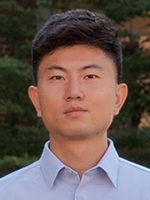
Study: A bioadhesive device for localized therapy and post-surgical management of oral cancer
Funded by: VGH & UBC Hospital Foundation
Oral cancer remains difficult to treat due to the risk of residual disease following surgery and the systemic side effects associated with conventional chemotherapy. There is a pressing need for localized treatment approaches that improve effectiveness while minimizing toxicity.
Dr. Zhenwei Ma and his team have developed OncoSeal, a bioadhesive therapeutic hydrogel patch designed to deliver cancer-fighting drugs directly to surgical margins and surrounding tissues within the oral cavity. Its robust adhesion enables it to remain in place despite the mechanically demanding oral environment, maintaining sustained and localized drug exposure at sites at highest risk of recurrence. This project brings together an interdisciplinary team of engineers, scientists and clinicians to optimize and evaluate the technology through preclinical studies, with a focus on safety, efficacy and clinical translation.
“OncoSeal represents a new approach to precision cancer therapy by uniting advances in biomaterials engineering, drug delivery, surgical oncology and wound healing to transform post-surgical care,” says Dr. Ma. “Our goal is to transform the vulnerable post-surgical wound bed into an active therapeutic biointerface that enhances local tumour control while reducing the burden of treatment on patients.”
Can a novel organ preservation technique safely improve transplantation outcomes?
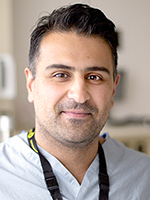
Study: Multimodal neuromonitoring during normothermic regional perfusion for organ donors determined dead by circulatory criteria following withdrawal of life sustaining measures (NONOFLOW)
Funded by: Organ Donation and Transplantation Research Foundation of British Columbia and VGH & UBC Hospital Foundation
As demand for organ transplantation grows, improving the quality and availability of donor organs is a critical priority. Normothermic regional perfusion (NRP) is an emerging technique that restores circulation to organs after death in donation after circulatory death, helping to preserve function prior to transplantation. While promising, this approach raises important safety and ethical considerations, particularly regarding the potential for restoration of brain activity.
Dr. Mypinder Sekhon’s study will use advanced neuromonitoring techniques to assess whether any return of brain blood flow or oxygenation occurs following death declaration during NRP. This work will generate critical evidence to inform safe clinical implementation.
“This research project addresses a key unanswered question using gold standard neuromonitoring available only at Vancouver General Hospital,” says Dr. Sekhon. “Findings will support evidence-based protocols and help expand safe organ donation practices.”
How can sex hormones inform personalized transplantation strategies?

Study: Towards integration of sex and sex hormones into transplantation precision medicine
Funded by: VGH & UBC Hospital
Foundation
Biological sex influences immune response, disease progression and treatment outcomes, yet these factors are not routinely incorporated into transplantation care. This gap limits opportunities for more tailored and effective treatment strategies.
Drs. Karen Sherwood and Sarah Grasedieck will investigate how sex hormones, such as estrogen, progesterone and testosterone, interact with immune system factors to influence outcomes following stem cell transplantation. Using integrated clinical, genetic and immunological data, the study will apply advanced machine learning methods to identify meaningful patterns. The findings aim to clarify why treatment responses may differ between individuals and how these differences can be addressed in clinical care.
“By analyzing our understanding of sex-based differences in transplantation, this research could support more personalized and equitable treatment approaches,” says Dr. Sherwood. “The ultimate goal is to improve long-term outcomes and quality of life for patients.”
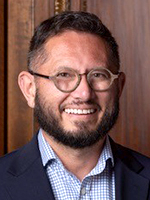
How can health care services be improved for people experiencing homelessness?
Award: Early Career Researcher
Study: Locating opportunities for equity-focused health service innovations for people experiencing homelessness
Funded by: VGH & UBC Hospital Foundation
People experiencing homelessness often face complex health challenges alongside significant barriers to accessing care. While targeted services exist, there is limited system-level understanding of where supports are available and where gaps remain.
Dr. Joe Tay will work with patients, Indigenous partners, health care providers and decision‑makers to map existing equity‑focused services across VCH primary care settings. The research study will combine quantitative data with qualitative insights from surveys, interviews and workshops. This work aims to identify opportunities to better align services with patient needs and strengthen care delivery across the system.
“By identifying gaps and targeting resources more effectively, this research aims to improve access, reduce avoidable hospital use and support a more equitable health system,” says Dr. Tay.
Can rapid brain stimulation improve treatment for inpatient depression?
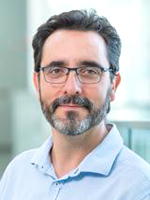
Study: Accelerated iTBS + D-cycloserine to treat depression in inpatients
Funded by: VGH & UBC Hospital Foundation
Patients hospitalized with major depression often require extended stays while waiting for treatment to take effect, placing strain on individuals, families and the health system. Faster, effective treatment options are needed to improve outcomes and reduce length of stay.
Dr. Fidel Vila-Rodriguez will evaluate a five-day treatment combining theta-burst stimulation, a form of non-invasive brain stimulation, with a neuroplasticity-enhancing compound. This treatment combination is designed to speed up improvements in mood and suicidal thoughts while keeping side effects low. The team will assess feasibility in inpatient settings and examine early signals of clinical effectiveness.
“This study is focused on delivering meaningful impact in real-world care settings,” says Dr. Vila-Rodriguez. “Faster treatment could help patients recover sooner and reduce time spent in hospital, without compromising safety.”
Innovation and Translational Research Awards are made possible with the generous support of the VGH & UBC Hospital Foundation, Organ Donation and Transplant Research Foundation of British Columbia and Providence Research in partnership with VCHRI.