Main menu

  • About
    • Leadership
    • Our Team
    • Vision, Mission and Values
    • Health and Economic Impact
    • Strategic Plan
    • News and Stories
    • Careers
  • Research
    • Research Focus
      • Brain Health
      • Cancer
      • Digital Health and Artificial Intelligence
      • Healthy Aging and Mobility
      • Immune System
      • Injury and Rehabilitation
      • Lung Health
      • Mental Health and Substance Use
      • Other Research Focus Areas
    • Research Centres and Programs
      • BC Centre on Substance Use
      • Centre for Aging SMART
      • Centre for Clinical Epidemiology and Evaluation
      • Centre for Lung Health
      • Dilawri Cardiovascular Institute
      • Djavad Mowafaghian Centre for Brain Health
      • International Collaboration On Repair Discoveries
      • M. H. Mohseni Institute of Urologic Sciences
      • Ovarian Cancer Research Centre
      • Community Research Program
      • Emergency Medicine Research Program
      • Hematology Research Program
      • Skin Research Program
    • Research Cores
      • Clinical Trials Platform
      • VCH-VCHRI AI Hub
      • Indigenous Health Research Unit
    • Researcher Directory
    • Events and Workshops
    • Participate in Research
  • Research Services
    • New to VCHRI
      • Working at VCHRI
      • Regulations and Training
      • Membership with VCHRI
    • Research Development
      • Awards and Funding
      • Research Facilitation
      • Grant Management
      • Learning and Development
    • Contracts and Compliance
      • Contract Facilitation at VCHRI
      • Operational Approval
      • Research Privacy
      • Clinical Trials Administration
    • Research Support
      • Communications and Media Relations
      • Financial Policies and Procedures
      • VCH-VCHRI AI Hub
    • Internal Awards
    • Clinical Research
    • Indigenous Research
  • Clinical Trials
    • Clinical Trials Platform
      • Phase 1 Clinical Trials Research Unit
      • Hematology Research Unit
      • Clinical Research Unit
    • Find a Study
    • Researcher Directory
  • Participate in Research
    • Reasons to Participate
    • Participant Stories
    • Find a Study
    • Recruitment Support

User menu

  • Log in

Breadcrumb

  1. Home
  2. Research
  3. Participate in Research
  4. A Day in the Lab: Robillard Lab

A Day in the Lab: Robillard Lab

Stories Sep 22, 2016 2 minutes

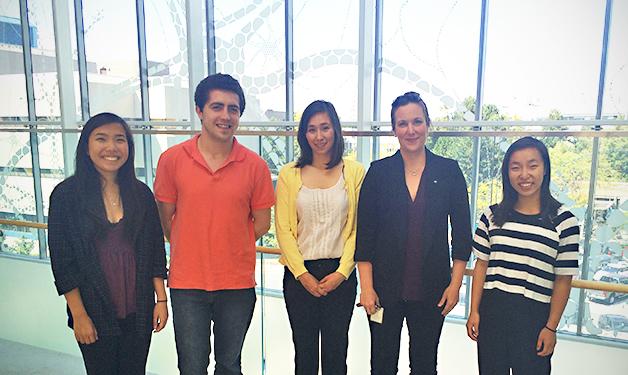
Welcome to Dr. Julie Robillard’s lab – where brain research happens in a tech-savvy world.

At the Djavad Mowafaghian Centre for Brain Health, Dr. Julie Robillard, assistant professor in the Division of Neurology, Department of Medicine at UBC, oversees research that brings together neuroethics and patient engagement. In the Robillard Lab, the neurology of the aging brain, technology, and ethics combine to bring new insights to brain health issues that affect many older Canadians, like Alzheimer’s disease (AD) and other forms of dementia.

Here’s an exclusive behind-the-scenes look at what goes on in one of Canada’s top neuroscience labs.
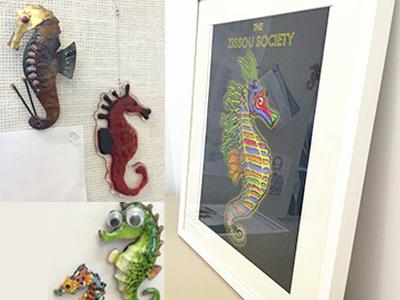
These days, Dr. Robillard and her team focus on research that aims to harness technology to improve the patient experience for people who have dementia and their caregivers. For example, a recent study uncovered that credible-looking information about Alzheimer’s disease found online often disguises a sales pitch for products of dubious quality. The Robillard lab works hard to assess information available and provide tools that the public can use to make decisions based in solid science.


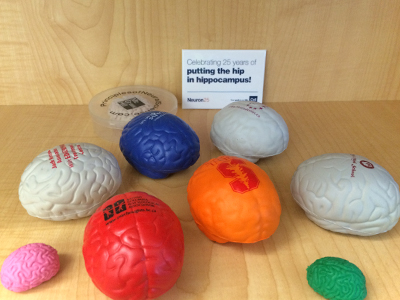
When Dr. Robillard speaks at a conference, there’s inevitably someone giving away stress balls in the shape of brains. Her collection of these squishy souvenirs is constantly growing, showing her dedication to exchanging information with the scientific community and bringing together collaborators from different disciplines. In addition to conferences, Dr. Robillard is a frequent fixture at public talks, workshops and in the media, making her knowledge accessible to the public. 
In the Robillard Lab, information sharing is a two-way street. Patient engagement plays a vital role in all research conducted. Collaboration with patients begins during the study design phase and continues throughout the process to make research relevant and meaningful to the people it’s meant to impact.


Many people aren’t allowed to use social media at work. In the Robillard Lab, it’s seen as a valuable tool and her students spend countless hours analyzing thousands of tweets and other social media posts. For example, one of the lab’s studies found that Twitter allows researchers to see how their work is being received and to join in the conversation and add clarity where it’s needed. Clinicians, meanwhile, can see what information patients are consuming and the conversations happening in their field.

Follow Dr. Robillard on Twitter and Facebook.

Check out the Robillard Lab website for more information.


Would you like your lab profiled? Contact us today!

Researchers

Julie Robillard

Related Articles

Helping people breathe easier in a changing climate

One chord at a time: Community ukulele program builds connection for people living with dementia

Fostering connection in long-term care with the help of social robots

Share:

  • Facebook
  • Linkedin
  • Twitter
  • Instagram
  • Email

Related Research Centres/Programs

Djavad Mowafaghian Centre for Brain Health

Get the latest research headlines in your inbox

Subscribe

Recent News and Stories

Type
Stories

Ask an expert: How can I strike a healthier balance with my daily habits?

Sep 10, 2026 mobility, exercise
Type
Stories

Moving endometrial cancer prevention upstream

Sep 8, 2026 endometriosis, women, preventative
Type
Stories

Improving respiratory protection for wildland firefighters

Sep 3, 2026 lung, safety
See more news

Get updates!

Join our newsletter mailing list to stay up to date on features and releases.

Subscribe

Quick Links

  • News and Stories
  • Careers
  • Events
  • Media Enquiries

Follow Us

  • LinkedIn
  • Instagram
  • Bluesky
  • YouTube

© 2026 VCHRI. All rights reserved.

  • Contact
  • Privacy Policy