Main menu

  • About Us
    • Leadership
    • Our Team
    • Vision, Mission and Values
    • Health and Economic Impact
    • Research Impact Video
    • Strategic Plan
  • Our Research
    • Research Focus
      • Brain Health
      • Cancer
      • Digital Health and Artificial Intelligence
      • Heart Health
      • Healthy Aging and Mobility
      • Immune System
      • Injury and Rehabilitation
      • Lung Health
      • Mental Health and Substance Use
    • Research Centres and Programs
      • BC Centre on Substance Use
      • Centre for Aging SMART
      • Centre for Clinical Epidemiology and Evaluation
      • Centre for Lung Health
      • Dilawri Cardiovascular Institute
      • Djavad Mowafaghian Centre for Brain Health
      • Immunity and Infection Research Centre
      • International Collaboration On Repair Discoveries
      • M. H. Mohseni Institute of Urologic Sciences
      • Ovarian Cancer Research Centre
      • Community Research Program
      • Emergency Medicine Research Program
      • Hematology Research Program
      • Skin Research Program
      • Other Research Focus Areas
    • News and Stories
    • Researcher Directory
    • Events and Workshops
  • Research Services
    • New to VCHRI
      • Working at VCHRI
      • Regulations and Training
      • Membership with VCHRI
      • Learning and Development
    • Starting Your Project
      • Research Facilitation
      • Awards and Funding
      • Grant Management
      • Operational Approval
      • CST Cerner
    • Developing Your Project
      • Clinical Trials Administration
      • Clinical Research Unit
      • Research Privacy
      • Financial Policies and Procedures
    • Additional Support
      • Indigenous Health Research Unit
      • VCH-VCHRI AI Hub
      • Communications and Media Relations
      • Study Recruitment Support
      • Innovation and Industry Partnership
    • Internal Awards
    • Clinical Research
    • Indigenous Research
  • Participate in Research
    • Reasons to Participate
    • Participant Stories
    • Find a Study
    • Recruitment Support

User menu

  • Log in

Breadcrumb

  1. Home
  2. Our Research
  3. News and Stories
  4. Ask an expert: How does second- and third-hand smoke affect my health?

Ask an expert: How does second- and third-hand smoke affect my health?

Stories Apr 7, 2026 3 minutes

Our lung health and air quality experts explain the hidden risks of smoke exposure and how emerging research is shaping what we know about the health impacts of smoking.

Whether you smoke or not, exposure to second- and third-hand smoke can have lasting effects on your lungs. Research is uncovering the invisible risks tied to cancer, respiratory disease and other health concerns.

Vancouver Coastal Health Research Institute researcher Dr. Milan Khara and Lauren Wilkinson, Tobacco and Vapour Reduction Program coordinator, shed light on how the air around us affects our well-being. 

Q: What is second-hand smoke, and how is it different from third-hand smoke?
A:
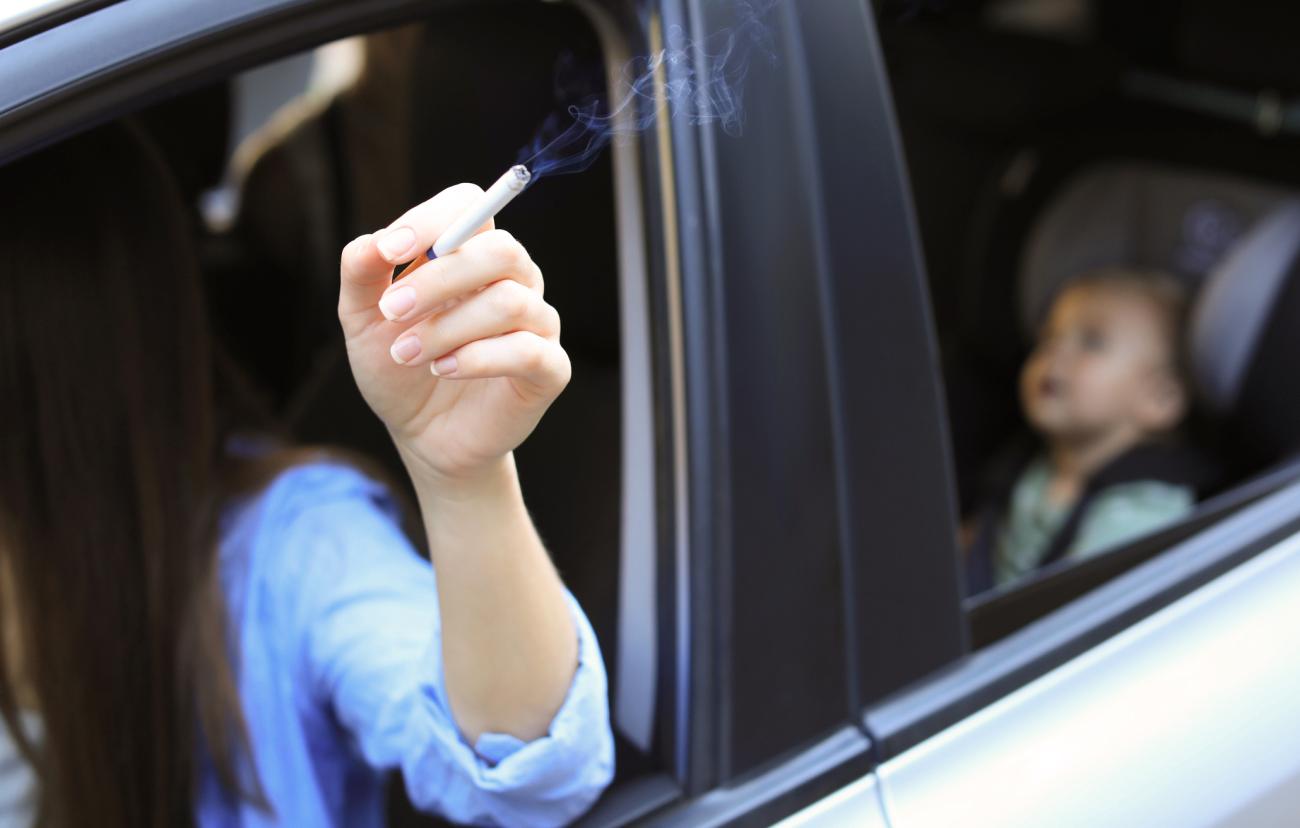
Second-hand smoke is the nearby smoke produced when someone else uses cigarettes, cigars or pipes. People who breathe in this smoke are exposed to many of the same harmful chemicals and fine particles inhaled by the person smoking. 

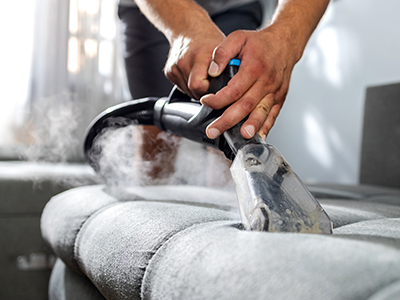
Third-hand smoke refers to the residue that settles onto surfaces such as skin, clothing, carpets, walls and furniture. It can remain long after smoking has stopped. People can be exposed by inhaling lingering odours, touching contaminated surfaces or absorbing chemicals through the skin. Young children and pets are particularly vulnerable because of the time they spend close to floors and surfaces. 

Q: Does second-hand smoke affect my lungs, even if I don’t smoke myself?
A:
Yes. Many of the serious health risks associated with smoking come from breathing in the chemicals and particles in tobacco smoke. Someone exposed to second-hand smoke breathes in these same toxic components. 

Second-hand smoke increases the risk of chronic cough, chest infections, asthma, chronic obstructive pulmonary disease and lung cancer. Children, pregnant people and those with existing lung conditions experience greater risks from second-hand smoke exposure.

Q: How does third-hand smoke linger in a home or public spaces, and what are the potential health impacts?
A:
Third-hand smoke can remain on surfaces for years and is extremely difficult to remove. It can even be detected in indoor environments where smoking is no longer permitted because residue persists from past exposure.

We know third-hand smoke contains nicotine and other substances linked to increased health risks, including cancer. Research is ongoing to better understand its long-term health effects.
Babies and young children may experience the highest exposure because they frequently touch surfaces and put their hands or objects in their mouths.

Q: How can I have an open, empathetic conversation with family, friends or neighbours about the risks of smoke exposure?
A:
These conversations can be sensitive, especially if the person is not ready to quit smoking. Approach the discussion calmly and without judgment. Share your concerns clearly but avoid lecturing. Listen actively and be patient — change often requires multiple conversations.

Resources such as the CAMH tip sheet on managing second-hand smoke and the HealthLinkBC information sheet on second-hand smoke can guide supportive and respectful dialogue.

Q: What systemic changes and public policies are needed to ensure that everyone has equitable access to smoke-free spaces and evidence-based support to quit smoking?
A:
More than 90 per cent of British Columbians don’t smoke tobacco, and many public places in B.C. are already designated smoke-free. However, the home remains a major source of exposure, especially for children. A recent Canadian study found that non-smoking children and adolescents had the highest exposure to second-hand smoke of any age group. Non-smokers living in apartments were also far more likely to be exposed than those in detached homes.
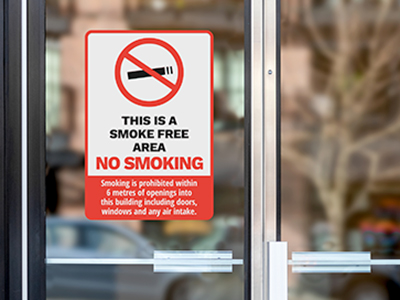
Research shows that implementing smoke-free policies reduces second-hand smoke exposure, improves health outcomes for non-smokers and lowers smoking-related disease and death. In B.C., provincial regulations designate schools, workplaces and public buildings as smoke-free, while municipalities may add their own protections.

At the community level, multi-unit housing can adopt smoke-free strata bylaws or building-wide policies. At a broader level, the province could consider requiring new multi-unit buildings to be smoke-free.

People who smoke have access to some free, evidence-based supports in B.C., including QuitNow, Talk Tobacco and free nicotine replacement therapy through the BC Smoking Cessation Program. 

Dr. Milan Khara is a Centre for Lung Health researcher, clinical assistant professor in the Faculty of Medicine at UBC and physician lead for the Smoking Cessation Clinic at St. Paul’s Hospital.
Lauren Wilkinson is the Tobacco and Vapour Reduction coordinator for the Vancouver and Sea to Sky regions in Vancouver Coastal Health. She is a certified B.C. teacher with a Master of Science in microbiology and immunology.

Researchers

Milan Khara

Related Articles

Ask an expert: What does it mean for road safety now that marijuana will be legalized?

Ask an expert: I want 2016 to be the year I quit smoking. How can I kick the habit, once and for all?

Share:

  • Facebook
  • Linkedin
  • Email

Related Research Centres/Programs

Centre for Lung Health

Get the latest research headlines in your inbox

Subscribe

Recent News and Stories

Type
Stories

On-hand support while awaiting eating disorder care

Apr 10, 2026 mental health, eating disorder, technology
Type
Stories

Small Care Homes reimagine aging in community

Apr 9, 2026 older adults, care delivery
Type
Stories

Newly discovered protein functions linked to metastatic prostate cancer

Apr 8, 2026 prostate, treatment options
See more news

Get updates!

Join our newsletter mailing list to stay up to date on features and releases.

Subscribe

Quick Links

  • News and Stories
  • Careers
  • Events
  • Media Enquiries

Follow Us

  • LinkedIn
  • Instagram
  • Bluesky
  • YouTube

© 2026 VCHRI. All rights reserved.

  • Contact
  • Privacy Policy