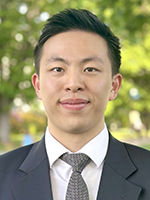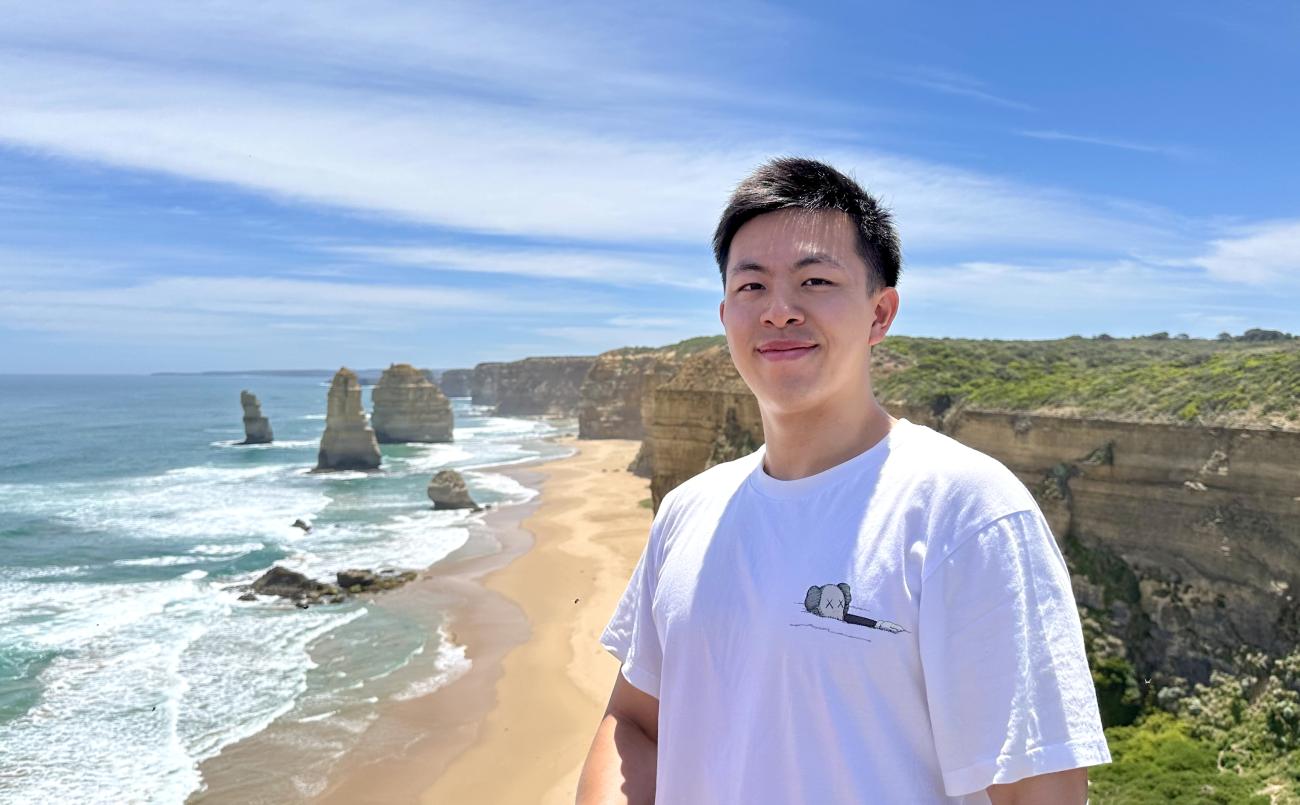
Meet Jason — A biomedical engineering student focused on developing impactful technologies that support personalized care and improve outcomes for diverse patient populations.
Q: What is your role in health research?
A: I am a master’s student in biomedical engineering based in the Human Motion Biomechanics Lab in the University of British Columbia (UBC) School of Biomedical Engineering and the INSPIRE Lab at ICORD. My research explores whether wearable technologies can be used to continuously and remotely monitor cardiovascular health in people living with spinal cord injury. This work involves writing and debugging code for data processing and analysis, as well as running experiments and collecting data with participants.
Q: What is the best part about your research job?
A: My favourite part of research is working closely with the people who may ultimately benefit from the technology we are developing. Receiving feedback from participants and seeing how our work could make a meaningful difference is incredibly rewarding.
Q: What is one of the biggest accomplishments of your career so far?
A: I was proud to place second overall in the 2026 UBC Three Minute Thesis competition. It was very exciting to share the potential impact of my research with such a large audience.
Q: What would you do if you were not in health research?
A: I have always enjoyed building things, so if I hadn’t pursued health research, I would probably be working in construction. During my undergraduate studies, I even considered a degree in civil engineering instead of biomedical engineering.
Q: What do you do for fun in your spare time?
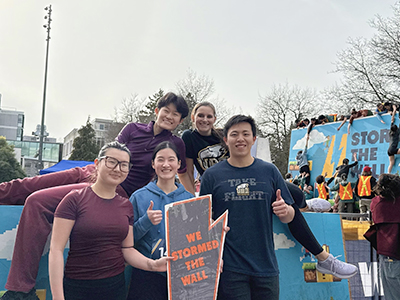
A: I like to stay active and try different sports. Weightlifting is one of my favourite ways to unwind and de-stress. I also play intramural basketball during the school year, and in the winter, I spend time skiing in the nearby mountains.
Q: What was your first job?
A: My first job was as a research assistant in Dr. Lillian Hung’s Innovation in Dementia and Aging Lab, where I supported robotics projects for people living with dementia and older adults in clinical settings. As my first exposure to research, it gave me valuable experience working in clinical environments and learning directly from older adults and patient populations.
Q: If you could visit anywhere in the world, where would you go?
A: I would travel throughout Southeast Asia. I am a big foodie, so tasting the different cuisines across the region would be amazing. I am also drawn to the warm weather and beautiful places to explore.
Q: What piece of advice would you give your younger self?
A: Don’t be afraid to challenge yourself. It’s okay to set ambitious goals and not achieve them right away — it’s always better to aim high than to avoid setting goals altogether.