A nationwide study of motor vehicle collisions found alcohol, cannabis and polysubstance use were more common among rural drivers, highlighting opportunities for targeted road safety and injury prevention initiatives.
Impaired driving remains a leading contributor to serious road crashes across Canada. New research led by VCHRI researcher Dr. Jeff Brubacher sheds light on how substance use patterns and collision characteristics differ between rural and urban drivers.

Published in Traffic Injury Prevention, the study found that rural drivers were more likely than urban drivers to have alcohol, cannabis and other impairing substances detected in their blood following a collision.
The findings build on the team’s previous research, which examined substance use among drivers treated for crash-related injuries across Canada. The dataset draws on anonymized leftover blood samples collected during clinical care and tests them for alcohol, THC and approximately 80 other impairing substances.
“Understanding where and why crashes happen can help communities design more effective ways to prevent them.”
“This is a truly unique dataset,” says Brubacher. “Access to a large number of blood samples from injured drivers across Canada allows us to better understand the role different substances may play in serious collisions.”
A closer look at rural road safety
The research team analyzed blood samples from 13,792 injured drivers treated at 17 trauma centres across Canada between 2018 and 2024.
They found that rural drivers were more likely than urban drivers to have detectable alcohol in their blood, including levels above the legal limit. They were also more likely to test positive for THC, other drugs and multiple substances.
“Rural drivers had higher rates of alcohol, cannabis and polysubstance use — suggesting this is not limited to one specific substance,” says Brubacher. “These differences remained significant after controlling for age, sex, and crash characteristics.”
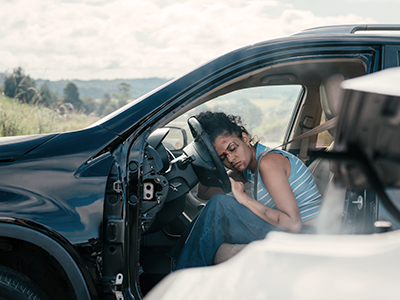
While the data cannot determine whether substances directly caused a collision or measure blood alcohol levels at the exact time of the crash, the findings point to several factors that may contribute to more severe outcomes in rural settings.
Rural roads often have higher speed limits, fewer transportation alternatives and longer distances to emergency care. Crashes in a remote area may also take longer to be discovered and for injured individuals to reach specialized trauma care.
“Transportation options can look very different in rural communities,” says Brubacher. “Without access to alternatives like public transit or rideshare services, people may be more likely to rely on their own vehicles.”
Supporting safer choices through targeted prevention
The findings highlight opportunities to design prevention strategies tailored to rural communities.
Younger drivers made up a larger proportion of rural drivers in the study, pointing to the value of targeted education on youth, graduated licensing and the risks of driving after using alcohol or drugs — especially in young drivers. Results also underscore the importance of off-road vehicle safety, given the higher rates of these collisions in rural areas.
“Rural communities face unique road safety challenges, and solutions need to be designed with those realities in mind.”
The study also reinforces the risks of polysubstance use. Combining substances can increase impairment, even when individual substance may seem unlikely to affect driving ability on their own.
Ultimately, the message is clear: planning ahead can help prevent serious crashes.
“Regardless of where you live, if you’re going to drink, do not drive,” says Brubacher. “Use a designated driver and remember that alcohol, cannabis, prescription medications and other drugs can all affect your ability to drive safely.”