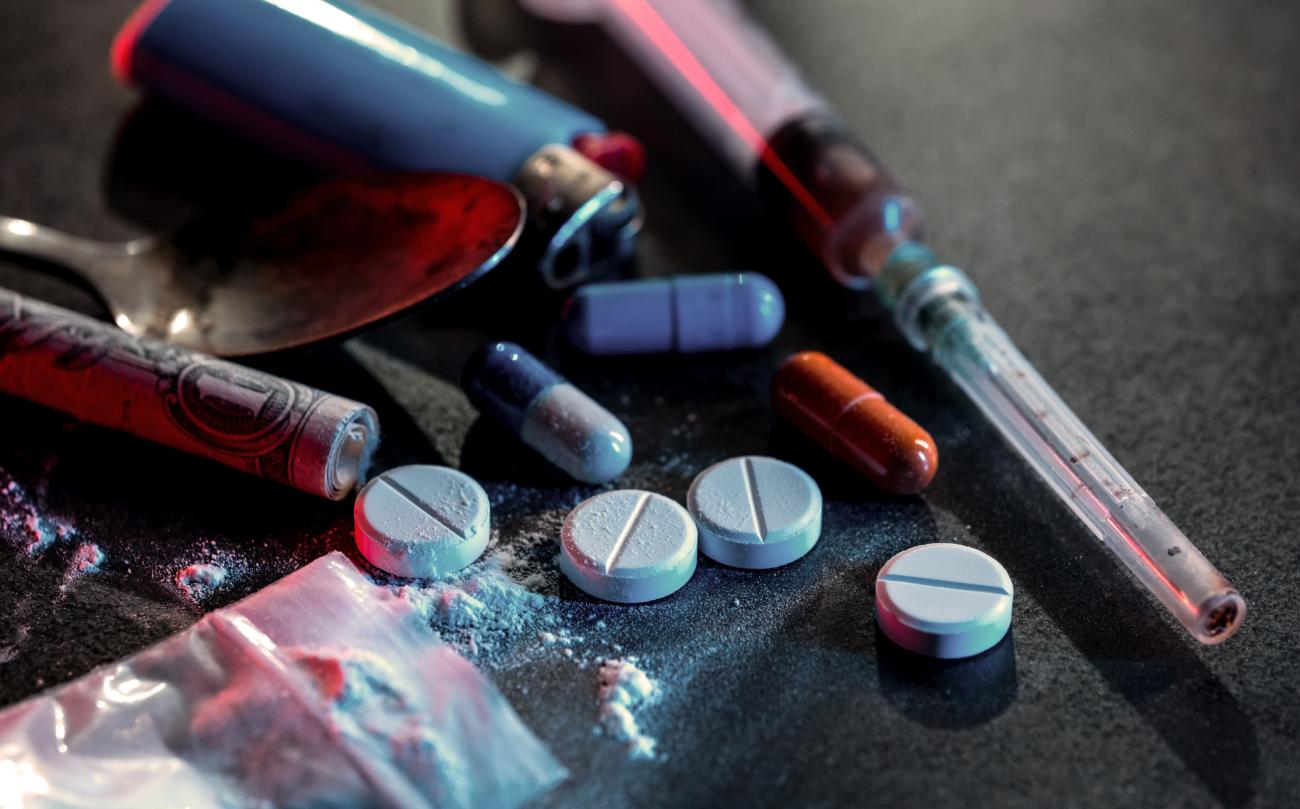
Individuals given information that their drugs contained unexpected substances were more likely to engage in risk-reduction practices.
Seeing a list of the unexpected active substances in their drugs empowered individuals to take harm-reduction steps, according to a study led by Vancouver Coastal Health Research Institute researcher Dr. Mint (Lianping) Ti. Of the hundreds of individuals surveyed who used a drug-checking service, many reported engaging in risk-reduction practices following receipt of their results, including disposing of unregulated drugs containing one or more substances they did not want to consume.
“This study has shown that drug-checking services can be an invaluable source of information for individuals using these services and potentially for health authorities overseeing care provision for populations affected by the toxic drug supply,” shares Ti.
“While drug-checking services have been studied to a greater extent in the context of festivals, ours uniquely looks at drug-checking in a community setting.”
Drug-checking services are places where individuals can have unregulated drugs — acquired outside of the health care system, research or pharmacies — tested before consumption. Some examples of unregulated drugs are opioids like heroin and stimulants like methamphetamines or cocaine.
Often co-located with harm-reduction centres, such as supervised consumption and overdose prevention sites, drug-checking services help individuals make informed decisions, including disposing of a drug.

“People who use drug-checking services are concerned about what else might be in their drugs and to what extent,” says Ti.
For example, unregulated opioids can contain the unregulated drug fentanyl, which can become toxic even at very low concentrations. Opioids containing benzodiazepines can also become dangerous, increasing the risk of overdose and preventable death.
“This study flows from the need for harm-reduction centres to respond to the ongoing public health emergency in B.C. that began in 2016, following the tragic increase in drug-related overdoses and deaths.”
The toxicity and unpredictability of the drug supply are some of the main factors contributing to high rates of opioid-related overdoses. In B.C., the unparalleled drug crisis is now a leading cause of death among adults aged 19 to 59.
A harm-reduction tool to address the toxic drug emergency
Ti’s study was designed and implemented in collaboration with people with lived/living experience consuming unregulated drugs and using drug-checking services.

For their study, researchers reviewed surveys previously administered over the phone or in-person on the drug-checking service use of 447 individuals ages 14 or older. All individuals included in the study reported consuming unregulated drugs and making use of at least one of the drug-checking services in B.C. sometime within the six months prior to completing the survey. Of these, 174 individuals — around 39 per cent of respondents — reported having unexpected active drugs detected in their checked sample.
The top concerning unregulated drug combination was an opioid sample containing unexpected benzodiazepines. “There is a well-established risk of toxicity associated with combining opioids and benzodiazepines,” says Ti.
"Drug-checking services provide individuals with the information needed to make decisions about whether or not to consume a combination of unregulated drugs that may lead to increased harm.”
Among survey respondents with an unexpected active substance in their drugs, the most common risk-reduction practice taken was to dispose of the drug, followed by taking a smaller dose of the drug, giving it away, changing the method of use or not using it alone. In addition, around 24 per cent “reported engaging in a risk-reduction practice after their drug check, compared to 13.5 per cent of those whose test result showed no presence of unexpected active substances,” says Ti.
“It goes to show that people who receive information that their drugs are adulterated with something they do not expect are more likely to change how they consume it to potentially avoid related harms,” Ti states.
“Our study provides evidence of the important role that drug-checking services can play in harm-reduction efforts to address the toxic drug supply.”
Ti adds that their research findings support the continuation of funding and infrastructure for drug-checking services within a suite of other harm-reduction tools. These services are particularly important in rural and remote settings, where harm-reduction services are fewer and less accessible.
Data collected from drug-checking services may also be assets for health authorities, health administrators and decision-makers to address the presence of toxic drugs circulating in the unregulated drug supply.
“One of our future research directions is to link drug-checking data with health administrative data for monitoring changes in the drug supply with respect to things like drug potency, complexity and composition,” states Ti. “We hope that this data could provide timely insights on how the emergence of adulterants like benzodiazepines or medetomidine in the unregulated drug supply are impacting health outcomes and health services.”