Main menu

  • About
    • Leadership
    • Our Team
    • Vision, Mission and Values
    • Health and Economic Impact
    • Strategic Plan
    • News and Stories
    • Careers
  • Research
    • Research Focus
      • Brain Health
      • Cancer
      • Digital Health
      • Healthy Aging and Mobility
      • Heart Health
      • Immune System
      • Injury and Rehabilitation
      • Lung Health
      • Mental Health and Substance Use
      • Other Research Focus Areas
    • Research Centres and Programs
      • BC Centre on Substance Use
      • Centre for Aging SMART
      • Centre for Clinical Epidemiology and Evaluation
      • Centre for Lung Health
      • Dilawri Cardiovascular Institute
      • Djavad Mowafaghian Centre for Brain Health
      • International Collaboration On Repair Discoveries
      • M. H. Mohseni Institute of Urologic Sciences
      • Ovarian Cancer Research Centre
      • Community Research Program
      • Emergency Medicine Research Program
      • Hematology Research Program
      • Skin Research Program
    • Research Cores
      • Clinical Trials Platform
      • VCH-VCHRI AI Hub
      • Indigenous Health Research Unit
    • Researcher Directory
    • Events and Workshops
    • Participate in Research
  • Research Services
    • New to VCHRI
      • Working at VCHRI
      • Regulations and Training
      • Membership with VCHRI
    • Research Development
      • Awards and Funding
      • Research Facilitation
      • Grant Management
      • Learning and Development
    • Contracts and Compliance
      • Contract Facilitation at VCHRI
      • Operational Approval
      • Research Privacy
      • Clinical Trials Administration
    • Research Support
      • Communications and Media Relations
      • Financial Policies and Procedures
      • VCH-VCHRI AI Hub
    • Internal Awards
    • Clinical Research
    • Indigenous Research
  • Clinical Trials
    • Clinical Trials Platform
      • Phase 1 Clinical Trials Research Unit
      • Hematology Research Unit
      • Clinical Research Unit
    • Find a Study
    • Researcher Directory
  • Participate in Research
    • Reasons to Participate
    • Participant Stories
    • Find a Study
    • Recruitment Support

User menu

  • Log in

Breadcrumb

  1. Home
  2. Research
  3. Participate in Research
  4. Gardening initiative feeds the soul and supports youth mental health

Gardening initiative feeds the soul and supports youth mental health

Stories Nov 1, 2019 4 minutes

A youth-driven study uses a novel approach to examine the impact of food literacy activities on mental well-being.

Social and emotional wellness has become a central focus of BC schools, and recent research shows gardening could be one of the tools in the toolbox to help support youth mental well-being. The study, led by Vancouver Coastal Health Research Institute researchers Vanessa Lam and Kathy Romses, empowered youth to share their personal stories and experiences with food, and examined how food-based activities impacted youths’ mental health and wellness.
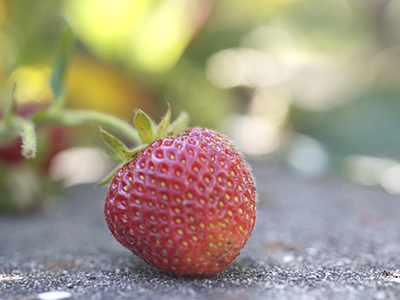
Youth took photos, like this image of a strawberry, to illustrate their personal stories. In this case, the strawberry represents the youth’s awareness of how it is okay to be alone sometimes.

“At the time of our research, the 2013 BC Adolescent Health Survey showed that, as youth age, their experience of extreme stress also increases,” says Lam. “Added to that, a lot of youth experience challenges around managing stress.” 

“Giving youth opportunities for hands-on learning empowers them to be independent and develop life-long healthy habits.”  

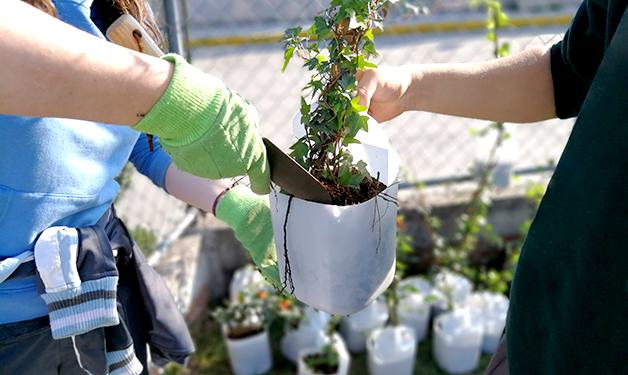
Lam’s and Romses’ study involved 16 youth—in grades nine to 12—who volunteered to participate in around eight sessions of garden-to-table activities, such as growing, harvesting and cooking food. Food and gardening activities took place in Vancouver at local schools, the UBC Farm, a community centre and a neighbourhood house. 

The study used a photovoice approach to capture youth experiences. Photovoice is a process in which photography is used to share personal stories. 

“This research enabled us to gain insights into the impact of food literacy activities on youth mental health while allowing youth to develop photography, writing and leadership skills.”

Youth worked with a professional photographer to help them develop their photography skills using a digital SLR camera. They were tasked with taking images that best captured their thoughts and feelings, and also with writing about their experiences in a personal journal. Select photos and journal entries were later shared with the research team and youth peers. 

Growing confidence, mental resilience and wellness

The qualitative study results—drawn from photovoice testimonials, journal entries and statements from one-on-one interviews with youth—painted a clear picture of the benefits of activities related to food literacy.

“All youth expressed that some aspect of their mental well-being improved as a result of their experiences around food and gardening.”

Lam was particularly surprised to learn how confident and happy with their work youth felt at the end of the five-month study. 

“Some of the youth were really proud of what they did, which helped them gain more confidence,” says Lam. “Many youth went on to share their images with their families, and one in particular took the initiative to post on their school’s social media page.” 
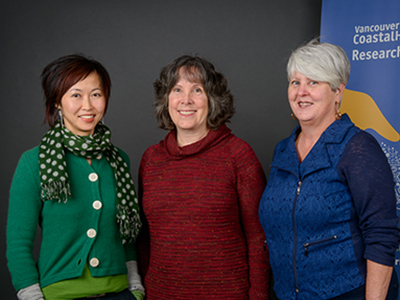
(L-R) Vanessa Lam, public health dietitian with the Public Health Child and Youth Program, with study collaborators, Kathy Romses, a former VCH public health dietitian, and Kerry Renwick, assistant professor of Home Economics at the UBC Faculty of Education.

“Another participant shared a story about how she was feeling sad and in a state of despair before discovering gardening,” recalls Lam. “She said that gardening was an activity that really comforted her and helped her feel better.”

Some of the photos and messages youth shared with the research team were displayed at an ArtStarts community art exhibition, which Lam says was a wonderful way to showcase youths’ efforts and get feedback from the community. One youth visitor’s comment in response to the photos and stories at the exhibit said: "Gardening is about more than growing food, it’s about personal growth.” This, Lam adds, also captures the sentiments of many youth involved in the study. 
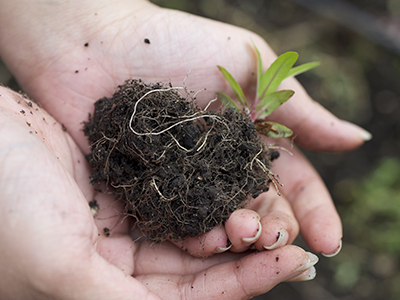
A youth in Lam’s study captioned the photo shown here with this poem:
Gardening is an art
It takes time and care with all the heart
To grow strong and bold
A plant needs the touch of kind soul.

“Through this study we learned that having these experiences around food literacy and school gardens helped youth feel more relaxed, strong and safe,” says Lam. “These results underscore why we need to do more of this kind of research and find more opportunities to support youth in this way.” 

 

Related Articles

On-hand support while awaiting eating disorder care

Reducing crash risk among people with schizophrenia

Ask an expert: What are some signs that gambling is starting to affect my brain health?

Share:

  • Facebook
  • Linkedin
  • Twitter
  • Instagram
  • Email

Get the latest research headlines in your inbox

Subscribe

Recent News and Stories

Type
Stories

Ask an expert: How can I strike a healthier balance with my daily habits?

Sep 10, 2026 exercise, mobility
Type
Stories

Moving endometrial cancer prevention upstream

Sep 8, 2026 women, cancer, uterine
Type
Stories

Improving respiratory protection for wildland firefighters

Sep 3, 2026 lung, environment, safety
See more news

Get updates!

Join our newsletter mailing list to stay up to date on features and releases.

Subscribe

Quick Links

  • News and Stories
  • Careers
  • Events
  • Media Enquiries

Follow Us

  • LinkedIn
  • Instagram
  • Bluesky
  • YouTube

© 2026 VCHRI. All rights reserved.

  • Contact
  • Privacy Policy