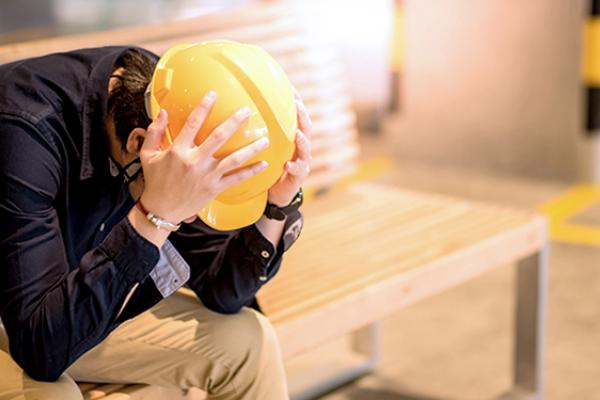
A head trauma is often a physically and mentally debilitating event that can take people away from their daily routines, including work. Around one in four mild traumatic brain injuries (MTBIs) in adults occur in the workplace, yet little was known about how workplace MTBIs differ from non-workplace MTBIs. Research led by Vancouver Coastal Health Research Institute scientist Dr. Noah Silverberg is shedding new light on treatment gaps in the care of injured workers.
Many veterans who serve in wars return home with not only physical scars, but with mental and emotional trauma. Around 10 per cent of war zone veterans in Canada will develop post-traumatic stress disorder (PTSD), according to Veterans Affairs Canada, and new research shows that PTSD may well be the root cause of cognitive impairments experienced by some veterans.
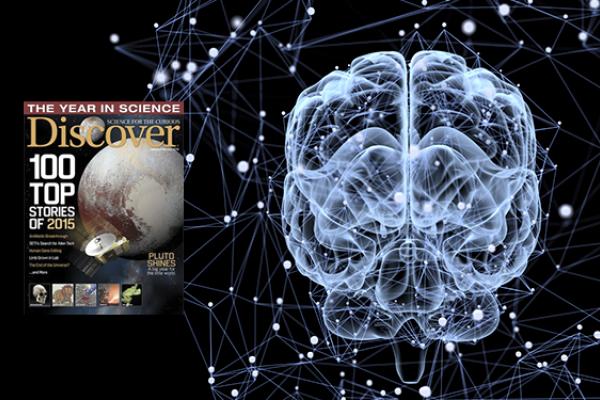
Vancouver Coastal Health Research Institute scientist Dr. Robert Tarzwell’s research is creating a space for neuroimaging in psychiatry that has not existed until now. Two studies co-authored by Dr. Tarzwell that were published in 2015 have demonstrated the efficacy and accuracy of using brain scans – and more specifically, single-positron emission computed tomography (SPECT) functional neuroimaging – to help diagnose and ultimately better guide treatment for post-traumatic stress disorder (PTSD) and traumatic brain injury (TBI).