Main menu

  • About
    • Leadership
    • Our Team
    • Vision, Mission and Values
    • Health and Economic Impact
    • Strategic Plan
    • News and Stories
    • Careers
  • Research
    • Research Focus
      • Brain Health
      • Cancer
      • Digital Health
      • Healthy Aging and Mobility
      • Heart Health
      • Immune System
      • Injury and Rehabilitation
      • Lung Health
      • Mental Health and Substance Use
      • Other Research Focus Areas
    • Research Centres and Programs
      • BC Centre on Substance Use
      • Centre for Aging SMART
      • Centre for Clinical Epidemiology and Evaluation
      • Centre for Lung Health
      • Dilawri Cardiovascular Institute
      • Djavad Mowafaghian Centre for Brain Health
      • International Collaboration On Repair Discoveries
      • M. H. Mohseni Institute of Urologic Sciences
      • Ovarian Cancer Research Centre
      • Community Research Program
      • Emergency Medicine Research Program
      • Hematology Research Program
      • Skin Research Program
    • Research Cores
      • Clinical Trials Platform
      • VCH-VCHRI AI Hub
      • Indigenous Health Research Unit
    • Researcher Directory
    • Events and Workshops
    • Participate in Research
  • Research Services
    • New to VCHRI
      • Working at VCHRI
      • Regulations and Training
      • Membership with VCHRI
    • Research Development
      • Awards and Funding
      • Research Facilitation
      • Grant Management
      • Learning and Development
    • Contracts and Compliance
      • Contract Facilitation at VCHRI
      • Operational Approval
      • Research Privacy
      • Clinical Trials Administration
    • Research Support
      • Communications and Media Relations
      • Financial Policies and Procedures
      • VCH-VCHRI AI Hub
    • Internal Awards
    • Clinical Research
    • Indigenous Research
  • Clinical Trials
    • Clinical Trials Platform
      • Phase 1 Clinical Trials Research Unit
      • Hematology Research Unit
      • Clinical Research Unit
    • Find a Study
    • Researcher Directory
  • Participate in Research
    • Reasons to Participate
    • Participant Stories
    • Find a Study
    • Recruitment Support

User menu

  • Log in

Breadcrumb

  1. Home
  2. Research
  3. Participate in Research
  4. Making the great outdoors accessible to people of all abilities

Making the great outdoors accessible to people of all abilities

Stories Jul 24, 2017 3 minutes

An adaptive hiking program helps participants enjoy the benefits of nature.

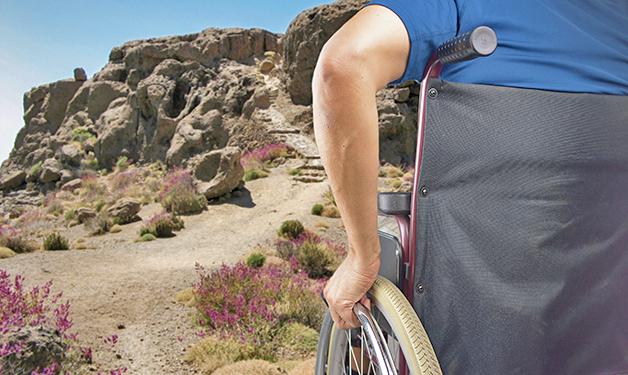
Aside from being a good form of physical exercise, outdoor activities like hiking come with additional benefits from decreased stress levels to improved health and relaxation. However, physical impairments from conditions such as arthritis, multiple sclerosis, cerebral palsy and stroke can prevent some people from taking advantage of Canada’s many wilderness trails. This is why a team of researchers, led by Ben Mortenson of Vancouver Coastal Health Research Institute (VCHRI), examined a longstanding program that helps people with disabilities go on hikes. 

“There’s been very little research done on adaptive hiking programs,” says Mortenson. “Our research looked at the positives and negatives associated with them.”
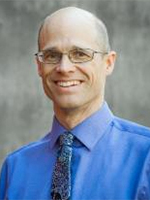
Ben Mortenson, PhD, is also a principal investigator at ICORD and an assistant professor in the Faculty of Medicine, Occupational Science and Occupational Therapy, at the University of British Columbia.

Mortenson is the principal investigator of the study: “Experiences with and perceptions of an adaptive hiking program,” which is an initial step to fill a large research gap. To complete the ethnographic study, published in Disability and Rehabilitation in March 2017, researchers went on five hikes through BC forests with participants from the British Columbia Mobility Opportunities Society (BCMOS).

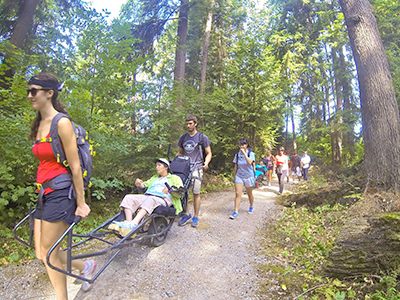
Volunteer guides helped take participants with mobility impairments along forest trails using a TrailRider—a portable chair made with an aluminum frame and equipped with a single wheel, handles and hand brakes for safety.

The TrailRider adaptive hiking program in BC is the longest running of its kind, notes Mortenson. That is largely because the TrailRider was born here. Co-invented by Vancouver-False Creek MLA and former mayor Sam Sullivan, who has tetraplegia, in the early 1990s, the adaptive hiking devices have been used for hikes throughout BC and the world, including along the West Coast Trail, to the summit of Kilimanjaro and to the base camp of Mount Everest. 

Enhancing outdoor accessibility
Over seven per cent of Canadians have a physical disability, according to the 2012 Canadian census—a number that is likely to rise with expected increases in lifespans and the number of older Canadians.

Creating effective programs that improve access to the outdoors can lead to better quality of life for individuals with physical impairments.

Numerous benefits to the TrailRider program are identified in the results of the study led by Mortenson, including how it connects participants with nature and supports the formation of social bonds among participants and volunteers. 

Researchers conducted in-depth interviews with participants and volunteers, as well as took videos of hikes and notes on their observations.

Watch a video of the TrailRider study:

Of the 18 participants who were interviewed for the study, 14 said they felt they would have socialized less and met fewer new people had it not been for the TrailRider program. 

One of the study participants, Barbara, says: “Even if you only meet somebody for an hour, for that hour, you are laughing and you’re communicating and you’re learning and you’re seeing things you haven’t seen before. That’s great.” 

First-time volunteer, Nathan, says he participated in the program because “It’s enjoyable for me to see other people happy—I feel like it’s my ability to give back.”

Given the benefits of the program, researchers identified several ways to make it easier for people with disabilities to participate, such as increasing transportation options to and from trailheads, modifying TrailRider equipment, enhancing marketing efforts to raise awareness about adaptive hiking programs and attracting additional volunteers to push and pull TrailRiders.

“Programs like this help break down barriers and demonstrate our interdependence,” says Mortenson, “as both volunteers and participants benefit from the experience.”

Visit BCMOS website for more information about volunteering opportunities.

 

Researchers

Ben Mortenson

Related Articles

Navigating breastfeeding after spinal cord injury

Behind the lab doors: Investigating blood biomarkers as a window into brain health at Wellington Laboratory

Revolutionizing powered wheelchair training for spinal cord injury recovery

Share:

  • Facebook
  • Linkedin
  • Twitter
  • Instagram
  • Email

Related Research Centres/Programs

International Collaboration on Repair Discoveries

Get the latest research headlines in your inbox

Subscribe

Recent News and Stories

Type
Stories

Ask an expert: How can I strike a healthier balance with my daily habits?

Sep 10, 2026 exercise, mobility
Type
Stories

Moving endometrial cancer prevention upstream

Sep 8, 2026 women, cancer, uterine
Type
Stories

Improving respiratory protection for wildland firefighters

Sep 3, 2026 lung, environment, safety
See more news

Get updates!

Join our newsletter mailing list to stay up to date on features and releases.

Subscribe

Quick Links

  • News and Stories
  • Careers
  • Events
  • Media Enquiries

Follow Us

  • LinkedIn
  • Instagram
  • Bluesky
  • YouTube

© 2026 VCHRI. All rights reserved.

  • Contact
  • Privacy Policy