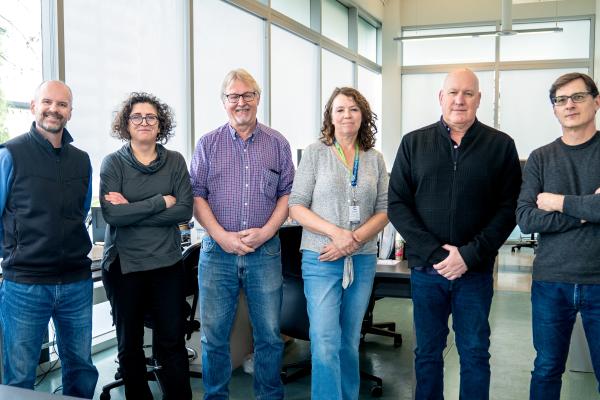
Located within the M. H. Mohseni Institute of Urologic Sciences, the Advanced Genomics & Computational Science Core is on a mission to support Vancouver Coastal Health Research Institute (VCHRI) researchers in developing new and innovative treatments. Led by Dr. Colin Collins and managed by Dr.
VCHRI and UBC researchers are part of an international team awarded $2 million to study how artificial intelligence (AI) can improve prediction of ovarian cancer survival, guide treatment selection, and ultimately lead to better patient outcomes.
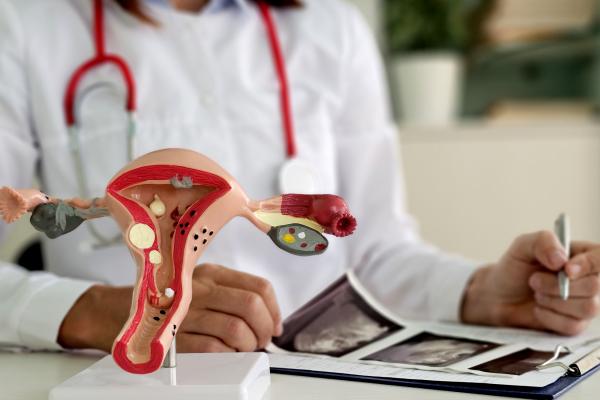
Over the last decade, new treatments have been introduced for high-grade serous ovarian cancer — the most common form of ovarian cancer. However, five-year survival rates remain low, with 70 per cent of patients experiencing relapse.
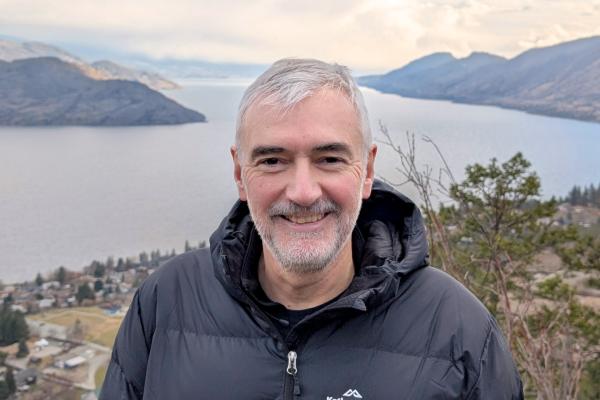
Vancouver Coastal Health Research Institute (VCHRI) is pleased to welcome Dr. Stirling Bryan as Interim Executive Director, effective February 2026. A distinguished health economist, Dr. Bryan’s work has helped shape health system policy and build capacity for patient-oriented research across British Columbia. His leadership experience spans academic, health system and provincial research organizations, with a strong track record in economic evaluation, health technology assessment and evidence-informed decision-making.
A recent study led by Vancouver Coastal Health Research Institute (VCHRI) researcher Dr. Daljeet Chahal, and supported by VCHRI researchers Drs. Peter Kwan and Eric Yoshida, has unveiled that a significant portion of the Greater Vancouver population is living with undiagnosed metabolic dysfunction-associated steatotic liver disease (MASLD).
Up to 43 per cent of women will experience low sexual desire at some point in their lifetimes, often accompanied by significant distress and relationship strain. New research headed by Vancouver Coastal Health Research Institute researcher Dr. Katrina Bouchard is filling a gap in psycho-social care for this population, testing a new couple therapy designed specifically for those experiencing sexual interest/arousal disorder (SIAD).
While regular physical activity is one of the most effective ways to make the heart stronger and more efficient, pushing the body past its limits can place unique demands on the cardiovascular system. For athletes and highly active individuals, especially those over 35 years of age or with underlying heart conditions, sustaining a healthy and challenging exercise routine for years to come requires understanding how to manage risk.
A prevention strategy developed by B.C. researchers reduces the risk of the most common and deadly form of ovarian cancer by nearly 80 per cent, according to a new study published today in JAMA Network Open.
The Canadian Institutes of Health Research (CIHR) has announced the results of its Fall 2025 project grant competition. Congratulations to all the VCHRI researchers who were awarded project grants.
GRACE: Gynecologic Risk Assessment for Cancer Evaluation — Self-Collect Vaginal Swab as a Novel Testing Strategy for BRCA Germline Carrier Identification: A Validation Study