Our expert shares what you need to know about glaucoma and why early detection matters.
Glaucoma is one of the leading causes of vision loss worldwide. Often called the “the silent thief of sight”, it develops gradually and without noticeable symptoms, making it easy to overlook until it becomes more serious. Because vision loss due to glaucoma cannot be reversed, understanding your risk factors and acting early is key to protecting your long-term eye health.
Vancouver Coastal Health Research Institute researcher Dr. Joanne Matsubara explains the science behind early changes in vision and how research is helping glaucoma care shift from reacting to vision loss after it happens to preventing it before it starts.
Q: What is glaucoma and how does it affect vision?
A: Glaucoma is a group of disorders that gradually damage the optic nerve, which carries visual information from the eye to the brain. As these nerve fibers are damaged, the signal weakens, and vision slowly fades. High eye pressure is the most common driver of this damage, but some people develop glaucoma even with normal high pressure. This means other factors, such as blood flow and how vulnerable the nerve tissue is, also play a role.
What makes glaucoma especially challenging is how quietly it progresses. The earliest damage affects peripheral vision, which many people do not notice. As a result, the disease may be active for years before symptoms become obvious.
Q: What early changes in my eyesight might signal glaucoma?
A: Glaucoma “hides in plain sight”. Early on, you may not notice any change because the vision you rely on most, your straight-ahead central vision, usually remains intact. Instead, damage first appears in your peripheral vision, which the brain learns to compensate for.
Over time, you may notice that you are bumping into objects or feel less aware of your surroundings. These changes usually reflect damage that has been building up quietly for years. Some people also experience subtle difficulties with low light or contrast, such as needing more light to see clearly or struggling when moving from bright to dim environment.
Q: Does glaucoma only happen to older adults? Am I at risk even if I have good eyesight?
A: Age is one of the strongest risk factors for glaucoma, but it is not the only one. Glaucoma isn’t about how sharp your eyesight is. It is about how resilient the optic nerve is over time, and genetics play a major role in that resilience.
Large population studies show that having a parent, sibling or close relative with glaucoma significantly increases your risk. It doesn’t mean the disease is inevitable, but it does suggest that some optic nerves are simply more vulnerable based on how they’re built and how they respond to stress.
Q: If I am diagnosed with glaucoma, what can I expect as it progresses?
A: Progression refers to how quickly the optic nerve changes over time. For most people, these changes happen slowly over many years. Doctors measure progression by tracking the gradual loss of nerve fibers that carry visual information to the brain.
Q: Do medications or surgery help preserve vision? Can lifestyle choices help manage the condition?
A: Glaucoma treatment focuses on slowing the disease rather than reversing it. Research shows that lowering eye pressure is the most effective way to protect the optic nerve, as it reduces stress on the optic nerve and mitigates the loss of nerve fibers. This can be achieved with eye drops, laser treatment or surgery. Large clinical trials show that even modest reductions in eye pressure can meaningfully slow vision loss over time. While treatments cannot restore nerve cells that are already damaged, they can help preserve the vision that remains.
Lifestyle factors play a smaller but supportive role. Regular exercise, good heart health and stable blood and eye pressure can help strengthen optic nerve health. These steps do not replace medical treatment, but they can help the nerve tolerate long term stress more effectively.
Q: What new research or technologies are helping detect vision loss earlier or improve long-term outcomes for people living with glaucoma?
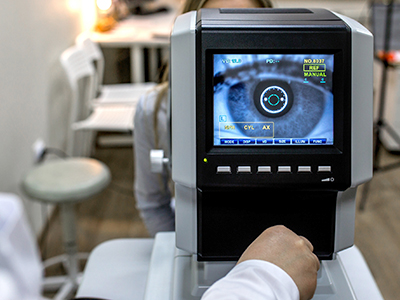
A: There is a lot of exciting glaucoma research underway. Clinicians can now directly measure the optic nerve using high-resolution imaging of the retina rather than relying only on what patients can see during an eye exam. These tools allow doctors to detect nerve damage years earlier than before, often before any vision changes are noticeable, and to track whether the disease is stable or progressing.
Artificial intelligence is also being used to analyze these scans and visual field tests. These systems can identify subtle patterns that help predict who is likely to worsen more quickly and who may need stronger treatment.
On the treatment side, our research lab is studying ways to protect and potentially regenerate optic nerve cells, as well as “smart” gene therapies that release protective molecules only when the eye is under stress. Together, these advances are shifting glaucoma care from reacting to vision loss to anticipating and preventing it.