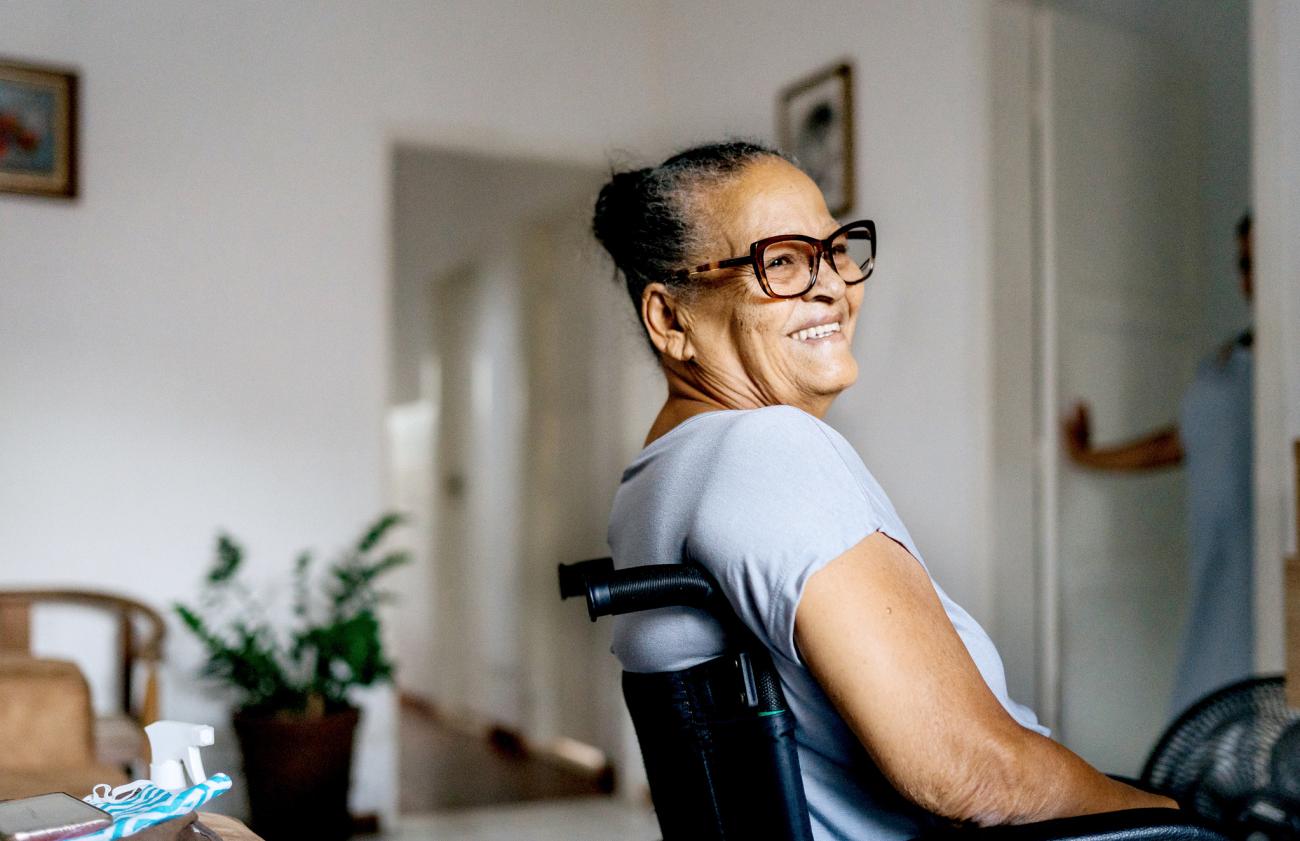
A new initiative is changing the way older adults age, combining the support of long-term care with the comforts of home.
As British Columbia’s population ages, demand for long-term care continues to grow. Waitlists are increasing and many older adults face limited options for receiving care close to home. There is a clear need for new approaches that support dignity, independence and connection to community.
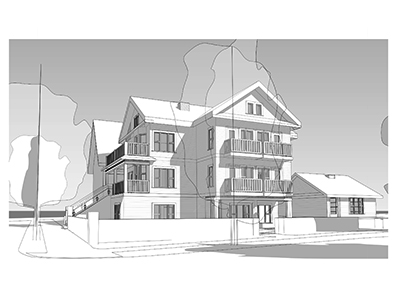
A new initiative led by Vancouver Coastal Health (VCH) and Vancouver Coastal Health Research Institute (VCHRI) is introducing Small Care Homes to address these challenges. These homes are created within renovated houses, accommodating six to 10 residents each. Located in residential neighbourhoods, they combine round-the-clock care with shared living spaces and daily activities tailored to residents’ abilities and interests.
Supported with funding from Michael Smith Health Research BC’s Advancing the Use of Evidence in Seniors’ Home and Community Care program, The Small Care Homes project will both implement and evaluate the novel intervention simultaneously, allowing for the model to be refined in real time and sustainably scaled up across the region.
“Small Care Homes represent an opportunity to better understand how the setting of care shapes people’s experiences,” says Dr. Craig Mitton, VCHRI researcher and project co-lead. “By embedding care in neighbourhoods and focusing on individual needs, we can determine how this model impacts outcomes for individuals, families and staff.”
A small-scale model grounded in dignity and connection
Small Care Homes adapt existing houses to provide fully licensed, accessible 24-hour care in a unique environment. Each home features private bedrooms as well as shared kitchens, living spaces and outdoor areas — supporting familiar, daily routines such as cooking, gardening and neighbourhood walks.
While located on residential streets in the VCH region, each Small Care Home is connected to a nearby long-term care site that provides additional clinical oversight and operational support. This connection helps ensure people living in homes receive regular and coordinated care, while consistent staffing within Small Care Homes strengthens relationships between individuals and caregivers.

VCH will work in partnership with host First Nations, BC Housing, philanthropic foundations and local communities to explore opportunities for Small Care Homes throughout the region.
“VCH, like many health authorities, is looking at innovation and partnerships to better serve the people and communities we care for,” explains Rizwan Damji, Executive Director of Regional Long-Term Care, Assisted Living and Supported Housing.
“Our goal is to carefully evaluate how this model affects individuals, families and staff. We are also examining how Small Care Homes can be integrated into the broader long-term care system in a sustainable way.”
Evidence suggests that small care home environments can improve quality of life, reduce anxiety for people living with dementia and enhance staff satisfaction. This project will examine whether similar outcomes are seen in B.C., while also exploring practical considerations.
“The Small Care Homes project brings decision-makers, researchers and people with lived experience together from the outset,” Mitton adds. “That is part of what makes this project innovative and exciting.”
Learning Health Systems embed research into operations
Unlike traditional research studies that evaluate outcomes after implementation, this initiative uses a Learning Health Systems approach, which involves embedding scientists within care teams to offer advanced research methodology and patient engagement for sustained care enhancement. Researchers and operational leaders work together from the beginning so that findings can inform decisions in real time.

Standardized assessment tools will be used to measure outcomes across several areas during the first one to two years of operation. The research team will also examine broader impacts, including hospital transfers, staff experience and retention and overall costs.
“This project fully embraces a Learning Health Systems approach,” says Mitton. “We are looking at what is working at every stage — from move-in to daily life in the home — and tracking social, mental and physical health outcomes over time. That information will be shared regularly with leadership to guide adjustments as needed.”
“This initiative offers a promising path forward for aging in place with dignity, autonomy and social connection while generating evidence to inform long-term care delivery across B.C. and beyond.”
By embedding research into day-to-day operations, the project also ensures that individual and family perspectives help shape both implementation and evaluation.
“As researchers, we are often brought in to evaluate a program’s impact after it has been established,” says Mitton. “In this project, feedback is built directly into decision-making. It is an exciting example of how researchers and health system leaders can work together to improve care in meaningful ways.”