Our expert shares evidence-based approaches to preventing and managing osteoporosis and reducing fracture risk.
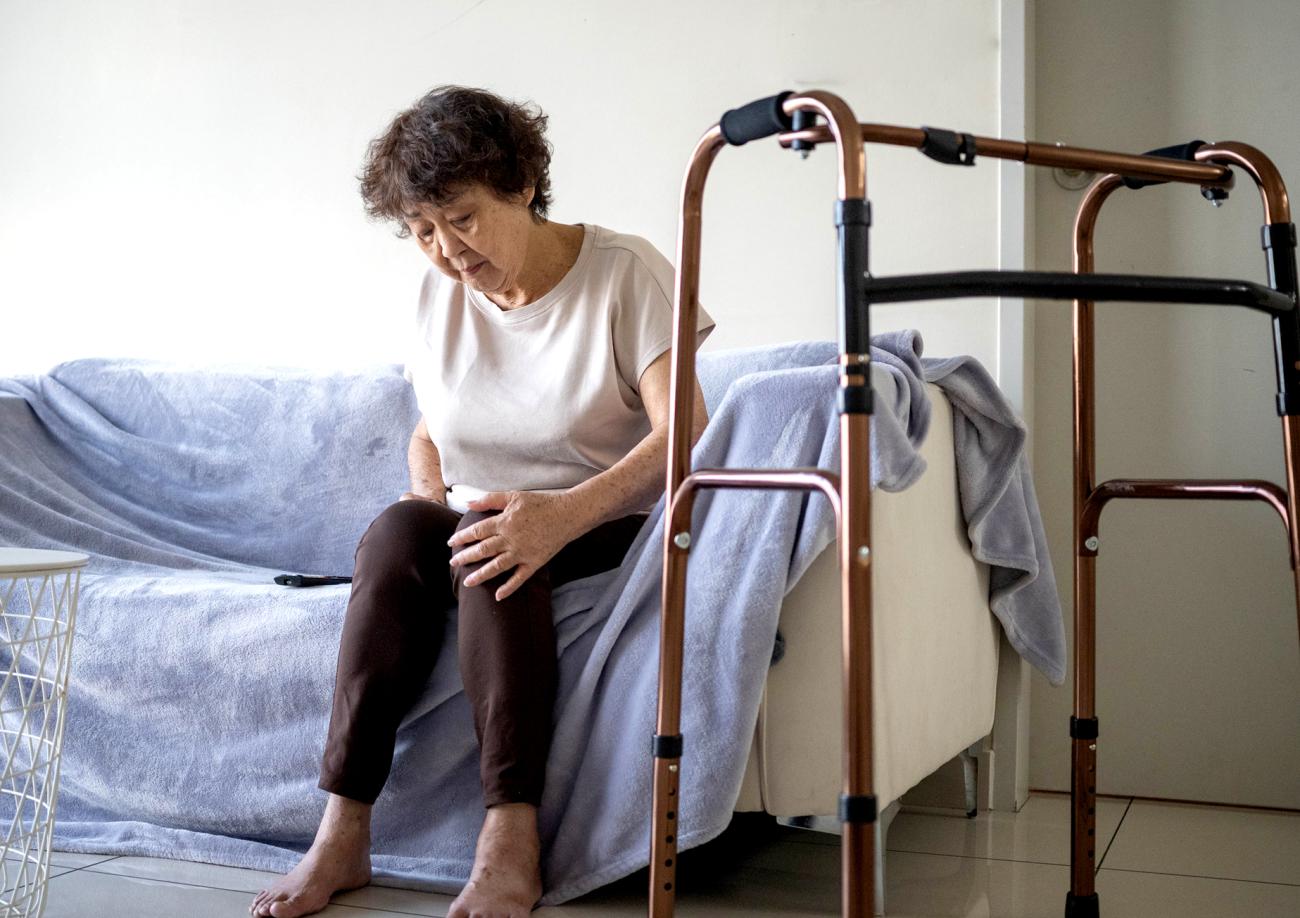
More than 2.3 million Canadians are living with osteoporosis, a condition that weakens bones and is responsible for 80 per cent of all fractures in people aged 50 and above. While osteoporosis typically becomes more common later in life, bone health is built from an early age. Developing healthy habits throughout life can help reduce the risk of osteoporosis and fractures later on.
Vancouver Coastal Health Research Institute researcher Dr. David Kendler explains how genetics, medications and lifestyle factors affect bone health throughout life, and how research improves the diagnosis and treatment of osteoporosis.
Q: What is osteoporosis, and why can it be difficult to detect and prevent before a fracture occurs?
A: Osteoporosis is a condition in which bones become weaker and more likely to break following minimal or no trauma. Because bone loss and weakening of bone structure do not usually cause noticeable symptoms, people may not know they have osteoporosis until they experience a fragility fracture.
Even after an osteoporotic fracture, fewer than 20 per cent of Canadians aged 65 and older are prescribed a treatment for osteoporosis. This highlights the importance of identifying and treating osteoporosis before another fracture occurs.
Q: How do genetics, medications and lifestyle factors affect bone health and fracture risk?
A: Many factors can affect bone health and fracture risk. Estrogen plays an important role in maintaining healthy bones and decline in estrogen after menopause is associated with a reduction in bone mineral density. Because of this, osteoporosis and fractures are more common in women than in men.
Certain medications, such as prednisone, or underlying conditions, including inflammatory arthritis, malabsorption or parathyroid abnormalities, can also increase the risk for bone loss. Being severely underweight, smoking and consuming excessive alcohol can negatively affect bone health and increase fracture risk.
Because bone strength peaks in young adulthood, exercise and good nutrition during the early years are important for building a strong skeleton. During midlife and after menopause, physical activity and calcium and vitamin D intake remain essential for preserving bone health and reducing fracture risk. For people at high risk of fracture, medications may also be appropriate.
Q: Bone density is an important measure of bone health, but what else determines a person’s risk of breaking a bone?
A: Although bone mineral density is our best direct measure of bone strength, clinical risk factors are also important in determining fracture risk. FRAX is an online fracture risk calculator which integrates bone mineral density with clinical risk factors to estimate a 10-year risk of major osteoporotic fracture and hip fracture.
A previous fracture is another important risk factor. Hip and vertebral fractures are particularly strong predictors of future fracture and indicate the need for appropriate nutrition and lifestyle interventions, as well as medications when appropriate.
Q: What medications are available for people with osteoporosis?
A: There are many medications that have been proven to prevent bone loss and, in some cases, rebuild bone density and strength. Medications that slow or prevent bone loss are called antiresorptive therapies. This includes estrogen, which can help prevent the decline in bone density associated with menopause while also treating menopausal symptoms, as well as selective estrogen receptor modulators (SERMs), which can help prevent fractures and reduce breast cancer risk. Bisphosphonates are another antiresorptive therapy commonly used to prevent bone loss, which may continue to provide benefit even after discontinuation.
For people at very high risk of fracture, bone anabolic therapy can help build bone and improve bone strength. These treatments may involve daily or monthly injections and must be followed by antiresorptive medication to help maintain the benefits.
Q: How is research improving our ability to identify people at high risk of fractures before they occur?
A: Bone mineral density (DXA) machines are widely available in the community, and research has led to techniques which can derive additional information from routine DXA tests. This includes trabecular bone score, which evaluates spine bone architecture from DXA scans. Three-dimensional modelling of the hip from DXA scans can also provide a more detailed assessment of bone strength and fracture risk.
Another key area of research focuses on fracture liaison service (FLS), a care model which proactively identifies fracture patients and facilitates osteoporosis treatment to prevent repeat fractures. FLS research has demonstrated that systematically identifying these patients and connecting them with appropriate assessment and treatment can improve clinical outcomes and be cost-effective.
Q: Which emerging research or technologies could change how osteoporosis is diagnosed, treated or prevented in the future?
A: Researchers are exploring technologies such as high-resolution quantitative peripheral CT scan to evaluate fracture risk and determine treatment response. This information could eventually help clinicians better assess fracture risk and determine how well a person is responding to treatment.
Researchers are also investigating senolytics, a class of drug that may help reduce the toxic effects of aging cells on surrounding tissues. This treatment could potentially have applications in other chronic diseases such as diabetes.
Ultimately, the goal of this research is to improve our ability to identify people at risk, choose the most appropriate treatment and provide patients and clinicians with better information to support decisions about bone health.