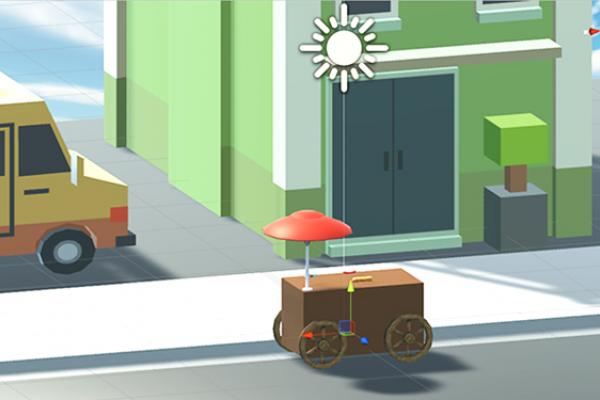
For the approximately 80 per cent of Canadians who survive a stroke — more today than ever before — timely recovery is essential to regain lost functionality and independence. High-repetition and targeted motor skills training is the tried-and-true rehabilitation approach for motor skills learning, which the video game developed by Vancouver Coastal Health Research Institute researcher Dr. Lara Boyd has in spades.
The Centre for Hip Health and Mobility (CHHM) has partnered with the Rehabilitation Research Program (RRP) at GF Strong to form the Centre for Aging SMART (Solutions for Mobility, Activity, Rehabilitation and Technology) at Vancouver Coastal Health (VCH). Centre researchers and clinician-scientists are world leaders in aging and rehabilitation who are changing the lives of aging Canadians.
A leading cause of death in Canada, stroke happens when a blood vessel blockage or rupture deprives the brain of oxygen. The cell death and brain damage that can ensue may also impact physical fitness and cognition. To counteract the consequences of stroke, Vancouver Coastal Health Research Institute (VCHRI) researcher Dr. Janice Eng recommends post-stroke fitness and shares tips on how to achieve a healthier mind and body.
Research conducted by team members from the Division of Orthopaedic Trauma at Vancouver General Hospital and the University of British Columbia (UBC) is re-writing the book on how long it takes patients to recover — both functionally and physically — from the most severe of orthopaedic injuries: pelvic and acetabular fractures.
Shown to be successful in both virtual and in community-based settings, the Graded Repetitive Arm Supplementary Program (GRASP)—designed by Vancouver Coastal Health Research Institute researcher Dr. Janice Eng—puts recovery into the hands of stroke patients. According to the results of two recent studies led by Eng, GRASP exercises significantly improved stroke patients’ arm and hand function.
While physical distancing requirements for COVID-19 have proven challenging for most people, Vancouver Coastal Health Research Institute scientist Dr. Bill Miller and University of British Columbia (UBC) PhD student Gordon Tao view the situation as an opportunity to highlight telerehabilitation services and how they can be successfully provided to patients in a variety of ways.
Experts commonly advise that the best exercise is exercise you enjoy doing—that way you’ll keep doing it. The same holds true for rehabilitation exercise, especially when it comes to younger patients. Vancouver Coastal Health Research Institute scientists recently tested gaming devices equipped with immersive virtual reality (VR) technology to see if they motivated teenage patients with cerebral palsy to improve their motor learning. Initial results show VR was well received by patients and was successful in improving outcomes, making it worth pursuing further.
Vancouver resident Lisa Leung was enjoying a regular dinner and movie outing with friends when she had her stroke. The 62-year-old financial analyst remembers every detail.