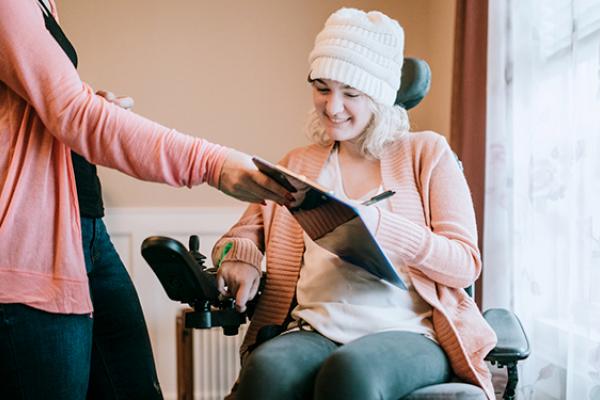
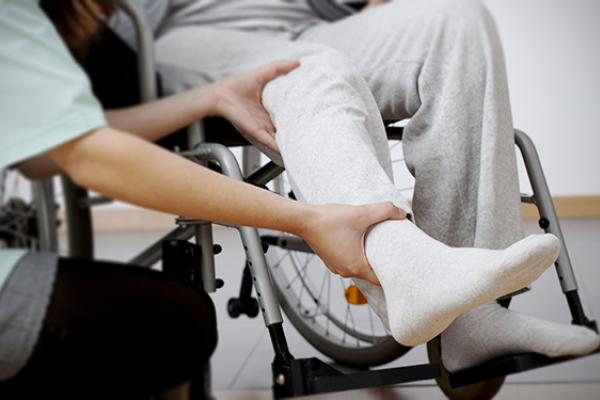
Dr. Patricia Mills, a Vancouver Coastal Health Research Institute clinician-researcher, specializes in treating a condition that affects approximately 1 in 3 people who experience a traumatic spinal cord injury (SCI). The condition, called problematic spasticity, is experienced as persistent muscle spasms that can result in a dramatic reduction in quality of life.
“For people with a spinal cord injury, problematic spasticity can be the biggest health challenge that they face.”
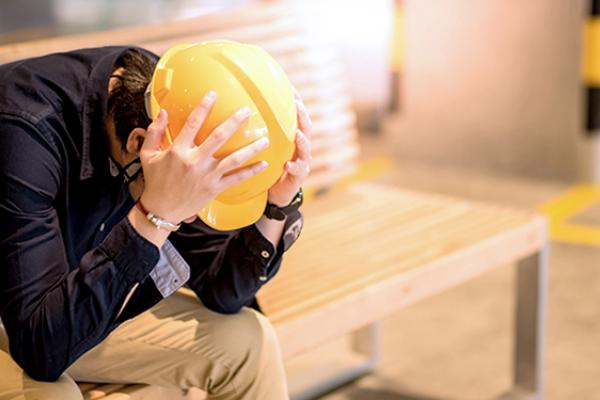
A head trauma is often a physically and mentally debilitating event that can take people away from their daily routines, including work. Around one in four mild traumatic brain injuries (MTBIs) in adults occur in the workplace, yet little was known about how workplace MTBIs differ from non-workplace MTBIs. Research led by Vancouver Coastal Health Research Institute scientist Dr. Noah Silverberg is shedding new light on treatment gaps in the care of injured workers.
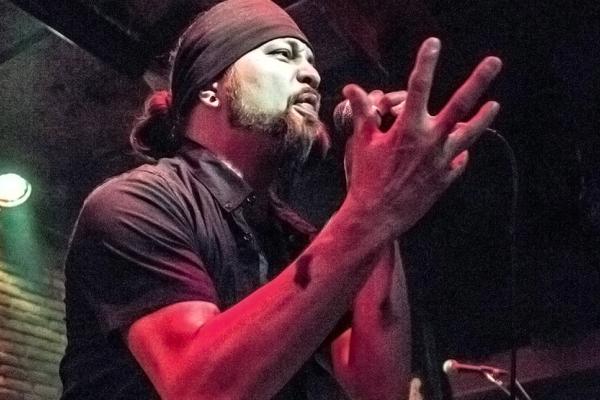
Jonathan dela Cruz relies on his voice around the clock. By day, dela Cruz works the phones as a customer support representative for a marketing firm. By night, he is a singer. But last year, the 38-year old father from Burnaby tore his vocal chords and was unsure if he’d ever be able to sing again. “That unknown was freaking me out,” says dela Cruz. “Meeting with a specialist and finding out there was a procedure to save my voice was a huge relief.”
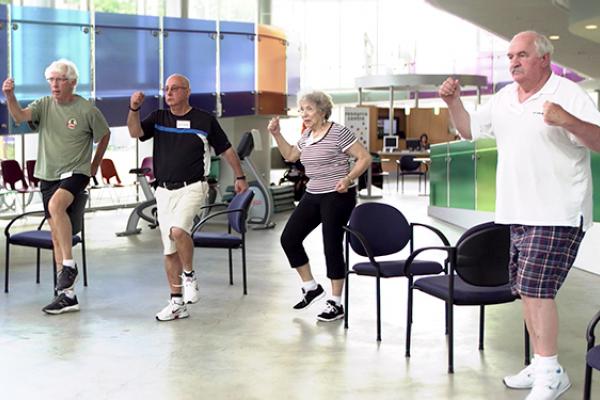
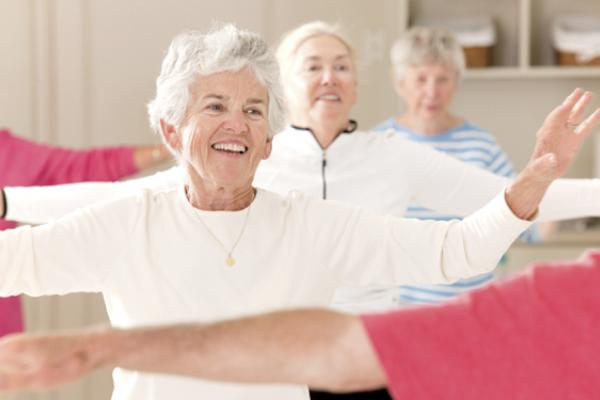
Eight mostly senior men and women are balancing on one leg as smiles and looks of concentration cross their faces. They are part of a three-month Fitness And Mobility Exercise (FAME) program for people who have experienced stroke. Under the guidance of trained instructors, FAME develops participants’ physical and mental well-being in a group setting. The West Vancouver Community Centre program is also an implementation study led by Vancouver Coastal Health Research Institute (VCHRI) researcher Dr.
After a stroke, prevention of another is key. Prevention starts with a healthy lifestyle, yet many patients lack access to knowledge and experts that can help them make the right healthy living choices. Enter the Stroke Coach—a telehealth program to guide patients towards a healthy recovery and away from bad habits that could increase their risk of another stroke.
Ray and Nancy Banks had just finished breakfast when Ray, 82, started to feel weak. Nancy, 81, and Ray now live in Abbotsford, BC, but they first met when they were kids growing up in Michigan—where their four children were born. After 62 years of marriage, Nancy could tell something was wrong and knew that her husband needed help.
Seventy-two-year-old Kelowna resident Clar Patten found out he was experiencing a medical emergency when his sister, a nurse whom he was visiting in St. John’s, Newfoundland, looked at him and told him that he had either recently experienced or was currently having a stroke.
“I’m not sure how she knew just by looking at me, but she did,” says retiree Patten. “I had no idea myself that anything was going on. I didn’t feel dizzy. I hadn’t fallen. There was absolutely no warning on my part.”
We all know aerobic exercise is good our health, but for stroke patients, aerobic exercise may be a whole lot more: it may be the key that unlocks their brain’s ability to recover. Vancouver Coastal Health Research Institute scientist Dr. Lara Boyd is trying to figure out exactly now to make the key fit. Boyd and her team at the University of British Columbia have embarked on a study of exercise paired with motor learning patients with chronic stroke.
A project born out of researcher-clinician collaborations through the Rehabilitation Research Program, a Vancouver Coastal Health Research Institute (VCHRI) program located at the G.F. Strong Rehabilitation Centre, is demonstrating how an online health resource can be highly credible and effective in disseminating research information, so much so that frontline clinicians change how they treat their patients.