Since the beginning of the COVID-19 outbreak, one of the most talked about health recommendations to prevent the spread of the virus has been physical distancing, which means to stay at least two metres apart from others. As we adjust to this new normal, Dr. Emma Morton shares why we may be feeling strange about keeping our distance, along with strategies to help us cope.
A non-invasive device designed to improve outcomes for patients on mechanical ventilators was recently authorized by the FDA for emergency use during the COVID-19 pandemic. The Lungpacer Diaphragm Pacing Therapy System (DPTS) was developed to assist with retaining and regaining diaphragm function that, once lost, can make it challenging for patients to be taken off a ventilator.
The Vancouver Coastal Health Research Institute, along with the VGH & UBC Hospital Foundation, is providing funding for innovative research projects aimed at addressing the evolving health care needs and challenges related to the COVID-19 pandemic. This funding will help accelerate research efforts to proactively respond to the virus in BC through prevention, detection, treatment and management.
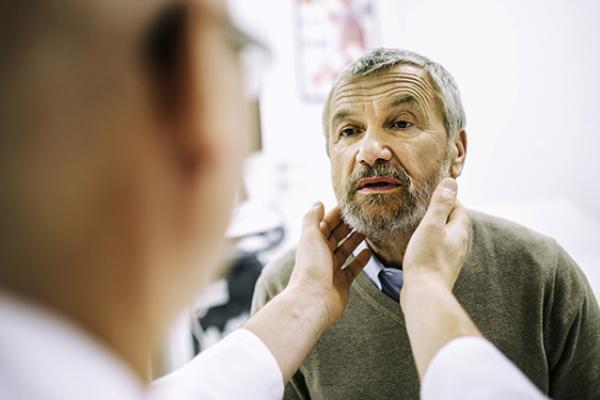
Vancouver Coastal Health Research Institute scientist and neurosurgeon Dr. Christopher Honey had treated hundreds of Parkinson’s patients’ tremors using deep brain stimulation (DBS) when he and his team became curious about whether DBS could be used to treat a different condition also characterised by involuntary muscle movements—spasmodic dysphonia (SD). Affecting the muscles of the larynx, SD causes individuals to have a choppy, hoarse or strained-sounding voice.
Countless people move through hospitals, touching and spreading microorganisms to multiple surfaces each day. Copper’s natural antimicrobial properties can help combat the spread of diseases such as COVID-19 and Methicillin-resistant Staphylococcus aureus (MRSA), and new research identifies which combination of copper alloys and cleaning practices pack the best microbe-destroying punch.
Each year, mood and neurological disorders leave their mark on Canadians in the realm of $61 billion in direct and indirect economic costs, along with innumerable impacts on families, jobs, life satisfaction and longevity. To help summit the steep challenge of brain-related disorders, Dr. Lynn Raymond, the new director of the Djavad Mowafaghian Centre for Brain Health (DMCBH), is focused on collaboration.
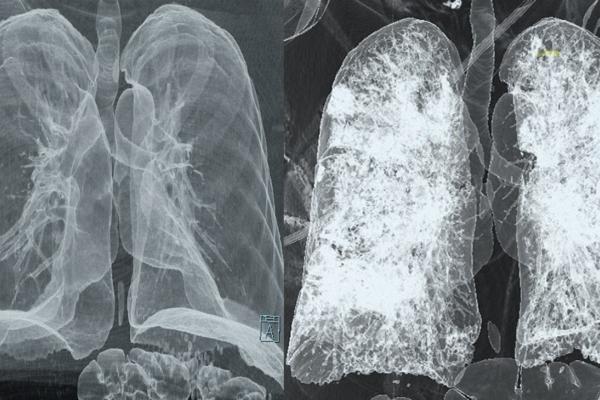
Vancouver, BC – Radiologists at Vancouver General Hospital (VGH), The University of British Columbia (UBC) and Vancouver Coastal Health Research Institute are leading an international study to better predict the presence of COVID-19 based on CT scans.
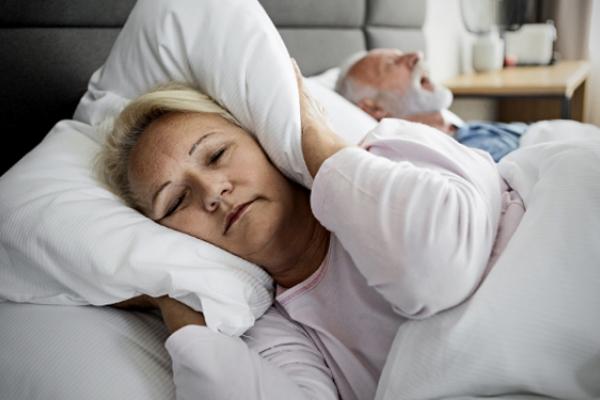
The connection between snoring and risks to public health and safety may not come to mind immediately, but Vancouver Coastal Health Research Institute scientist Dr. Najib Ayas’s research looking at some of the consequences of obstructive sleep apnea (OSA)—the most common type of snoring—illustrate how one person’s poor sleep can be harmful to others.
Q: I understand that we should all stay home to help flatten the curve on COVID-19. Is it safe to take my children outside?
A: It’s important to consult and abide by the Provincial Health Officer’s recommendations before going outside. At the moment, these recommendations include: keeping at least two metres away from others, not using playground equipment or closed parks facilities, and washing your hands thoroughly. These guidelines are quickly changing so be sure to keep up to date on local requirements as the situation develops.
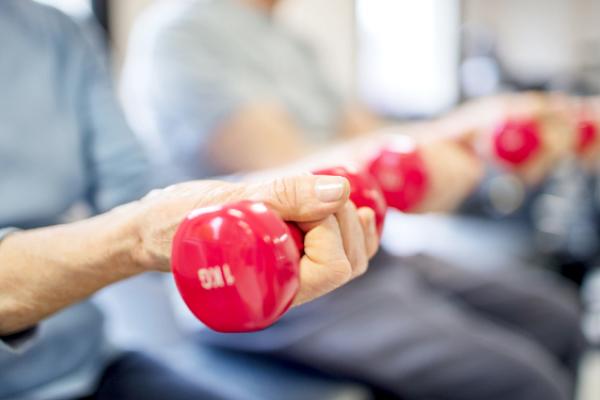
Adults over 85 years old make up the fastest growing population segment in Canada. With frailty being prevalent among older Canadians, it’s vital to be able to accurately measure muscle loss–a major contributor to frailty–and intervene if necessary to improve health outcomes and quality of life, says Vancouver Coastal Health Research Institute (VCHRI) scientist Dr. Graydon Meneilly.
“Reduced muscle mass, also known as sarcopenia, has a lot of negative health implications for older adults such as reduced daily function and increased risk of falls and fractures,” says Meneilly.