After a stroke, prevention of another is key. Prevention starts with a healthy lifestyle, yet many patients lack access to knowledge and experts that can help them make the right healthy living choices. Enter the Stroke Coach—a telehealth program to guide patients towards a healthy recovery and away from bad habits that could increase their risk of another stroke.
A good night’s sleep is increasingly recognized as a key factor in maintaining good health, but many Canadians aren’t getting enough shuteye. When it comes to sleep apnea, a disorder which interrupts breathing and disrupts sleep, experts say we are underestimating the scope of the problem. And that has consequences for everyone.
Public Health clinicians in Richmond are trying to counter a disturbing trend—almost 20 percent of kindergarten age children have visible tooth decay. It’s the highest rate in the Vancouver Coastal Health Region. Given that tooth decay is preventable with attention to healthy eating and good oral hygiene, clinicians wanted to know more about Richmond parents’ beliefs and practices around baby teeth. Christina Salgado, the Manager of Community and Family Health in Richmond, says it’s important to find out, because tooth decay in baby teeth has significant health impacts.
The health benefits of running are well known—but for runners who develop knee joint health osteoarthritis (OA), the picture is less clear. Should you give up running if you get OA? Research scientist Dr. Michael Hunt and his colleagues at the Vancouver Coastal Health Research Institute want to answer that question.
November is diabetes awareness month. But as diabetes rates climb, researchers say any awareness must be backed up with better prevention. In Vancouver, seven percent of the population has diabetes. If current trends continue, that will increase to 10 percent in the next three years and keep climbing. This increase is a global trend and many cities are teaming up to share the best prevention strategies.
A breakthrough technology, now in the hands of Vancouver Coastal Health Research Institute scientists, is paving the way for rapid and effective drug discovery. Dr. Artem Cherkasov, a senior research scientist with the Vancouver Prostate Centre (VPC), and his colleagues are spearheading the integration of cryo-EM technology. After years of trying to harness the potential of the human genome, Cherkasov says cryo-EM will revolutionize drug discovery and development.
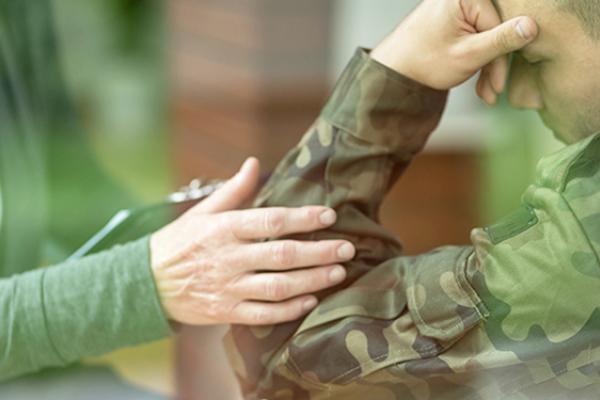
Many veterans who serve in wars return home with not only physical scars, but with mental and emotional trauma. Around 10 per cent of war zone veterans in Canada will develop post-traumatic stress disorder (PTSD), according to Veterans Affairs Canada, and new research shows that PTSD may well be the root cause of cognitive impairments experienced by some veterans.
Head and neck surgeon Dr. Eitan Prisman has been reinventing the wheel. With funding from the Innovation and Translational Research Award at the Vancouver Coastal Health Research Institute, Dr. Prisman and his team have developed their own made-in-Vancouver 3D simulation software that’s already improving surgery outcomes and decreasing time spent in the OR.
Our technology-driven lives mean youth are constantly barraged by an endless stream of images—many of which are unrealistic and potentially harmful. These images often expose youth to idealized portraits of thin girls and women, which can fuel negative self-perception and, in some, eating disorders.
In her study, PhD candidate Karolina Rozworska examines the use of emotion coaching as a way to regulate negative emotions associated with eating disorders such as anorexia and bulimia nervosa.
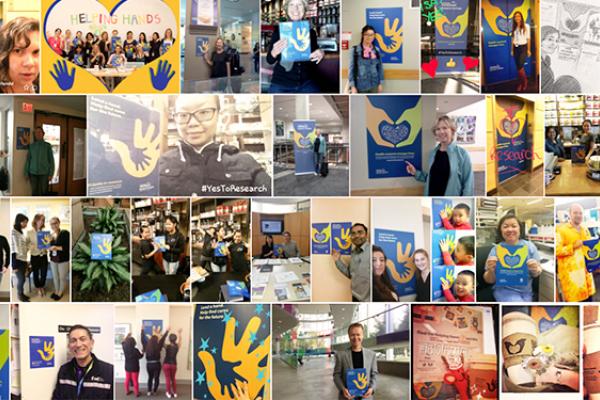
Vancouver Coastal Health Research Institute (VCHRI) has won a national Silver Leaf Award of Excellence for Internal Communication. The International Association of Business Communicators Canada (IABC) award is in recognition of our health research awareness campaign and forms part of Canada’s premiere professional awards program celebrating excellence in business communication.