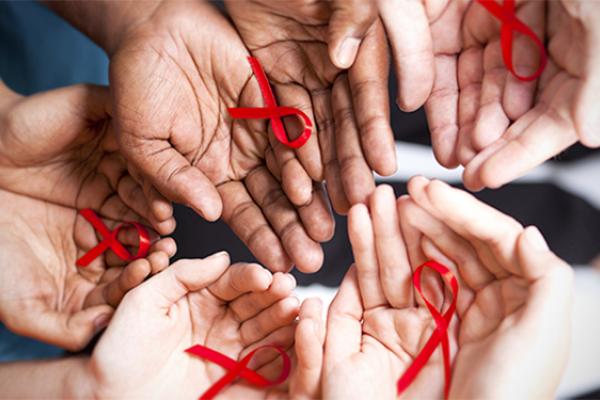
A unique collaboration between researchers, mathematicians, and frontline health care workers is determining how to make the best use of health care dollars for maximal impact in the fight against the HIV epidemic in B.C. Vancouver Coastal Health Research Institute-affiliated scientist Dr.
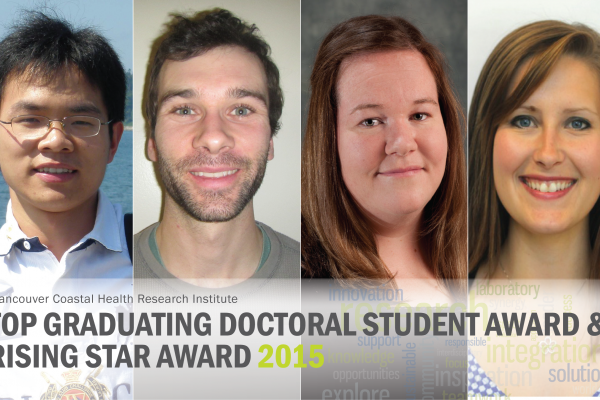
Vancouver Coastal Health Research Institute (VCHRI) is proud to name the recipients of the 2015 Top Graduating Doctoral Student Awards and the Rising Star Awards. The awards recognize outstanding VCHRI research trainee role models who demonstrate research excellence, foster research understanding through communication, and contribute to the VCHRI research environment in a meaningful way.
The 2015 Top Graduating Doctoral Student Award recipients are:
Being diagnosed with prostate cancer was shocking for Vancouver resident Daryl Clark, but it wasn’t nearly as devastating as being re-diagnosed nine months later despite his seeming success earlier with chemotherapy and hormone drug therapy.
“Suffering a recurrent diagnosis was absolutely worse than the initial diagnosis,” says Clark. “Particularly when you think you’ve got a leg up on it and going in the right direction.”
Although it may seem counter-intuitive, looking ‘below the neck’ for signs of cognitive decline before obvious symptoms appear is potentially a highly effective and accessible alternative to high-level cognitive neuroimaging or neurpsychological assessments. A new study by Vancouver Coastal Health Research Institute scientist Dr.