Our falls expert explains how older adults can avoid slipping on wet or icy surfaces, and how everyone can better protect themselves from falls during the winter season.
Winter conditions can increase the risk of falls, especially for older adults and individuals with mobility conditions, particularly from snow, ice and reduced daylight. Vancouver Coastal Health Research Institute researcher Dr. Jennifer Davis shares practical strategies for staying safe and confident during the winter months.
Q: What is the best way to prevent slipping outdoors during winter?
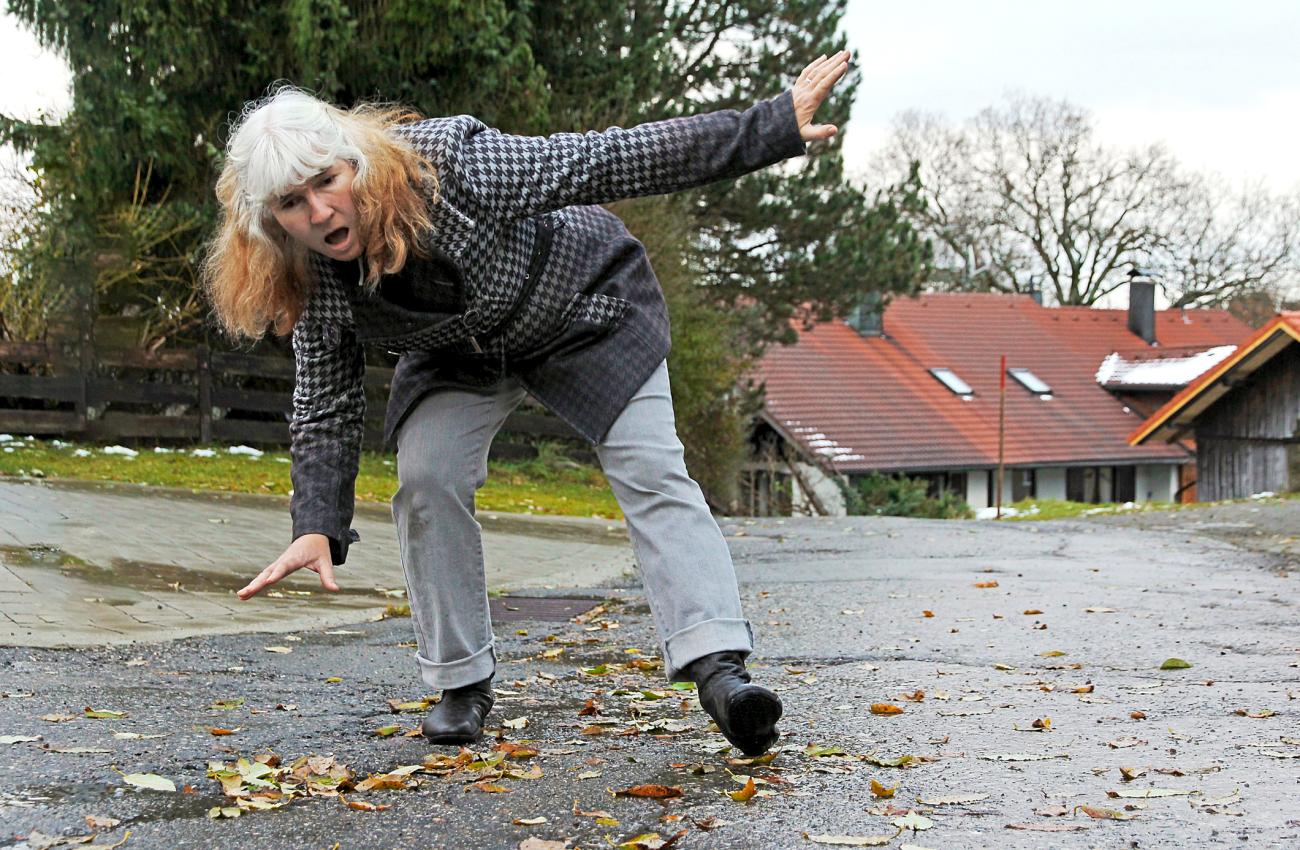
A: Wearing appropriate footwear is one of the most effective ways to reduce the risk of slipping. Shoes or boots with rubber soles and good tread provide better traction on icy or wet surfaces. Avoid wearing footwear such as flip-flops, high heels or shoes with smooth soles, as they increase the risk of slipping.
Q: I sometimes trip or feel unsteady. What could be causing this?
A: There are several possible reasons for feeling unsteady on your feet. Vision changes are one common culprit. The aging process can affect depth perception, especially in low light or on uneven ground. An important prevention strategy is to book annual eye exams and keep prescription eyewear up to date. If possible, avoid wearing bifocals outdoors, as they can make it harder to judge steps and curbs.
Environmental hazards, such as uneven sidewalks, cluttered walkways or loose entryway mats, can also contribute to tripping, particularly in unfamiliar settings or when it is dark outside.
Q: I am afraid of falling again. What can I do about this fear?
A: Fear of falling is common, especially after experiencing a previous fall, and it can sometimes lead people to limit their activity. Unfortunately, reducing movement can result in decreased strength and balance, which may increase fall risk over time. Gradually returning to safe activities, practicing balance exercises and staying active indoors during winter can help rebuild confidence. If fear of falling is affecting your daily life, a health care provider or physiotherapist can offer guidance and support.
Q: Are there simple exercises that can help me stay steady on my feet?
A: Regular physical activity plays an important role in maintaining strength and balance. Exercises that focus on strengthening the legs and core — such as standing on one foot — can help reduce fall risk. For a personalized exercise program or advice, speak with your health care provider. You can also ask about participating in community programs, such as Osteofit, or Tai Chi classes, available at many local community centres across B.C.
Q: Can medications increase my risk of falling?
A: Yes. Some medications can cause side effects, such as dizziness, drowsiness or fatigue, which may affect balance. This can occur even with medications you have taken for a long time. Taking multiple medications — especially four or more — can also increase fall risk due to potential interactions. If you are concerned, ask your health care provider or pharmacist to review your medications.
Q: What home-related winter hazards should I watch out for?
A: Winter introduces additional hazards not only outside, but at the entrances of homes, as well. Wet entryways, snow tracked inside and slippery steps can increase the risk of falls. Ensure entrances are well lit, use non-slip mats near doors and clean up moisture promptly. Outside, keep walkways, porches and stairs clear of snow and ice when possible, and apply sand or salt to improve traction.