When it comes to mapping and predicting the behaviour of gynecologic cancers, the more information researchers have at their fingertips, the better. Headed by a team of three OVCARE and Vancouver Coastal Health Research Institute researchers, the new Big Data Solutions Lab is poised to become a leader in high-tech research for women’s health care.
Survival rates for prostate cancer patients are high, but a diagnosis often comes with life-changing decisions and consequences for men and their loved ones. A new joint research study on peer navigation could give more prostate cancer patients, as well as their support system, the opportunity to be paired with a prostate cancer survivor or caregiver who can provide emotional and informational support.
Living with a cancer diagnosis can be frightening and anxiety-inducing, but at the same time there exists a hopeful phenomenon called the "teachable moment". The teachable moment describes cancer patients’ increased likelihood of accepting and acting on their health care provider’s lifestyle change recommendations because of their diagnosis. Vancouver Coastal Health Research Institute scientist Dr.
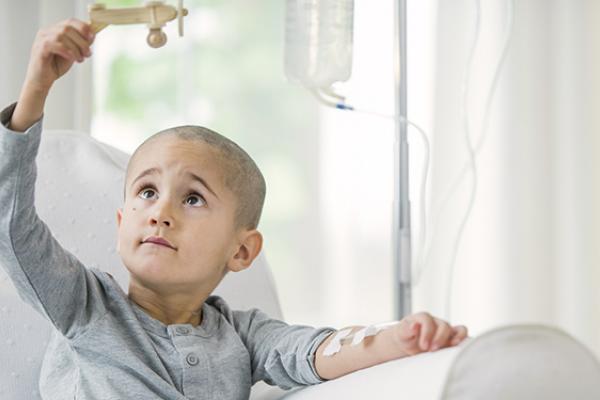
While rare, childhood cancer is the leading disease-related cause of death among Canadian children1, and affects approximately 1,000 children under the age of 15 each year2. Translational cancer research being conducted at the Vancouver Prostate Centre is investigating a therapy for childhood solid tumours that combines a proven immune system engaging molecule and a protein derived from the malaria parasite.
With current mortality rates ranging from 16 per cent for uterine cancer to 64 per cent for ovarian cancer, more than 3,600 women die from gynecologic cancers each year in Canada.
Recent media coverage has raised awareness about the importance of human papilloma virus (HPV) testing and vaccination, but less attention has been paid to non-HPV forms of vulvar cancer. Vancouver Coastal Health Research Institute (VCHRI) researchers have found that previous diagnostic approaches and less aggressive treatments resulted in worse, and often deadly, outcomes for women.
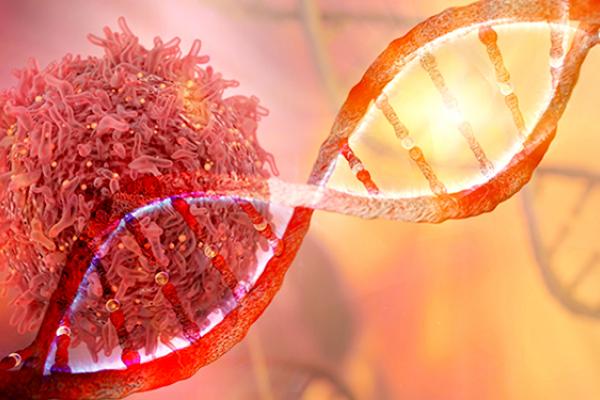
When the human genome was sequenced 20 years ago, there was a great excitement at the possibility of personalized medicine. Once the genetic makeup of a person’s disease was known, hopes were high that researchers could design specifically matched and targeted treatment for many patients. It turns out, dealing with real-world disease is not so straightforward. Now scientists at the Ovarian Cancer Research Centre (OVCARE) are trying to harness the power of artificial intelligence (AI) to enhance personalized medicine.
Cancer researcher Dr. Mads Daugaard knows first-hand how out-of-the-box thinking can lead to major discoveries. The Vancouver Coastal Health Research Institute senior scientist was recognized with the St. Baldrick’s Foundation Robert J. Arceci Innovation Award to support his investigations into childhood cancer treatments.
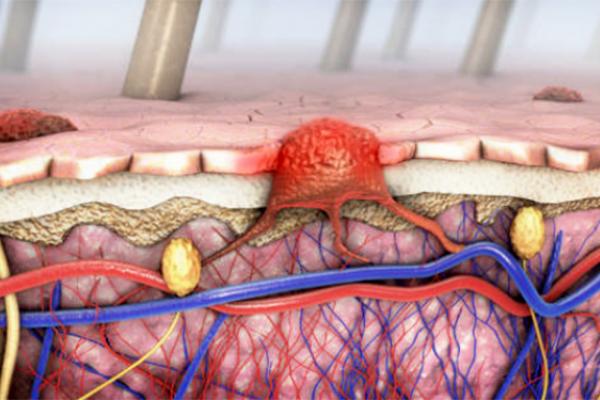
Melanoma, the deadliest form of skin cancer, is diagnosed in more than 130,000 people globally every year. Now, work is being done on a tool to help in its early detection: a simple, compact laser probe that can distinguish between harmless moles and cancerous ones–in a matter of seconds.