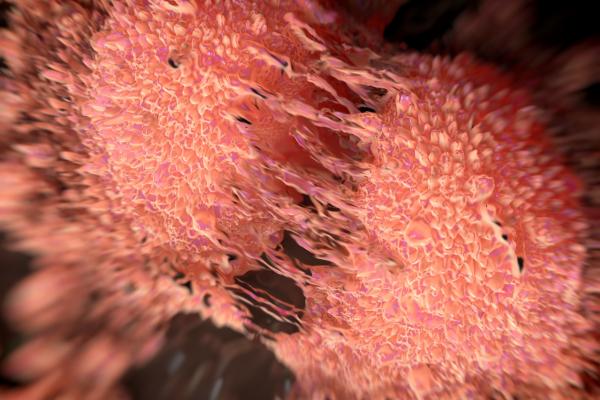
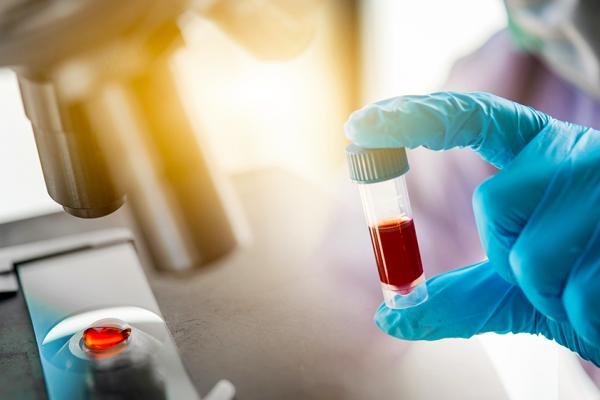
Researchers at the Vancouver Prostate Centre and BC Cancer have developed a new blood test that provides unprecedented insight into a patient’s cancer make-up, potentially allowing doctors to better select treatment options that will improve patient outcomes.
The technology was outlined in a study published today in Nature.
Using cutting-edge genomic technologies, researchers have created the first functional map of sites within the genome that regulate androgen receptor (AR) activity — the primary driver of prostate cancer growth. Led by Vancouver Coastal Health Research Institute researcher Dr. Nathan Lack and published in the journal Genome Biology, the study opens the door to future explorations into this uncharted territory.
Vancouver – B.C. scientists published new research today in JAMA Network Open showing that removing a person’s fallopian tubes at the time of other routine gynecologic surgeries is a safe, effective way to reduce ovarian cancer risk, ultimately leading to lives saved.
Prostate cancer is the fourth leading cause of cancer in Canada—around 20,000 Canadian men were diagnosed with the condition in 2020. Most diagnoses occur among men over the age of 50. While symptoms of prostate cancer can be difficult to detect, our Vancouver Coastal Health Research Institute expert, Dr. Michael Cox, outlines essential insights all men should bear in mind as they age.
The new Molecular and Advanced Pathology Core (MAPcore) is positioned to be a powerhouse of precision and translational medicine for revolutionary health outcomes and care. Co-created by Vancouver Coastal Health Research Institute (VCHRI) scientist Dr. David Huntsman, MAPcore is home to cutting-edge equipment and expertise for advanced spatial genomics, single cell genomics, proteomics and other ’omics research.
Effective treatments exist to improve the sexual health of men with erectile dysfunction (ED), yet research shows that many do not seek medical care or counseling for their condition. New research led by Dr. Ryan Flannigan found this could be rectified among men treated for prostate cancer by drawing more attention and referrals to the Sexual Rehabilitation Clinic (SRC).
Following promising study results on the effectiveness of bendamustine and rituximab (BR) for treating mantle cell lymphoma in a clinical trial setting, researchers have now discovered that the combined treatment has similar effectiveness in a general patient population.
Bendamustine is a type of chemotherapy medication that kills fast-growing cells in the body, such as cancer cells. And rituximab is an antibody therapy that works to deplete B-cells.
Spine surgeon Dr. Raphaële Charest-Morin is dedicated to providing her patients and their family members with as much information as possible about treatment options and potential outcomes. But she also knows it can be challenging to verify that patients fully understand the limitations of certain procedures even when those details were previously shared.
Liquid biopsies that examine circulating tumour DNA (ctDNA) could be a game changer in aggressive bladder cancer diagnostics, according to the findings of a new study led by Vancouver Coastal Health Research Institute (VCHRI) researcher Dr. Alexander Wyatt. The study was published in Nature Communications in January 2021.