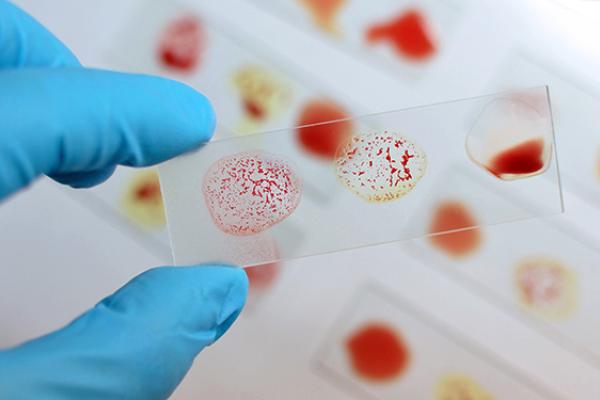
An analysis of COVID-19 cases at six greater Vancouver health centres has revealed a link between A or AB blood group patients and more severe COVID-19 outcomes than O or B patients. The study, led by Vancouver Coastal Health Research Institute researcher Dr. Mypinder Sekhon, points to two main factors that seem to have a protective effect against COVID-19.
Shortly after the World Health Organization (WHO) declared a global pandemic on March 11, 2020, Dr. Mina Park and other members of the COVID-19 Research and Knowledge Translation (KT) Group jumped into action.
The group of almost a dozen researchers, clinicians, librarians and students from Vancouver Coastal Health (VCH), the University of British Columbia (UBC) and beyond was tasked with combing through and interpreting the constant and ever-evolving flow of evidence on how to contain the virus.
The only certainty about the novel coronavirus when it first appeared on the global stage was the uncertainty about how to stop its spread. COVID-19 has no known cure at present, and treating patients who test positive for SARS-CoV-2 has required the insights and knowledge of multiple experts, something Vancouver Coastal Health Research Institute researcher Dr. David Sweet recognized early into the pandemic.
The immunotherapy based on antibody research being developed by Vancouver Coastal Health Research Institute researcher Dr. Horacio Bach could provide short-term protection against the novel coronavirus, SARS-CoV-2. To date, COVID-19—a disease that largely affects the respiratory system—has claimed the lives of over 870,000 people worldwide.
“One of the challenges we face with regards to a potential COVID-19 vaccine is that we do not know if it could offer long-term protection against reinfection,” says Bach.
When the COVID-19 pandemic struck, Dr. Jeremy Road and colleague, Dr. Chris Miller, recognized that their work with nitric oxide could be a game-changer. They were in the midst of examining the application of the virus-, bacteria- and fungus-killing free radical against non-tuberculous mycobacterial and other infections, and quickly pivoted their investigations towards the new coronavirus.
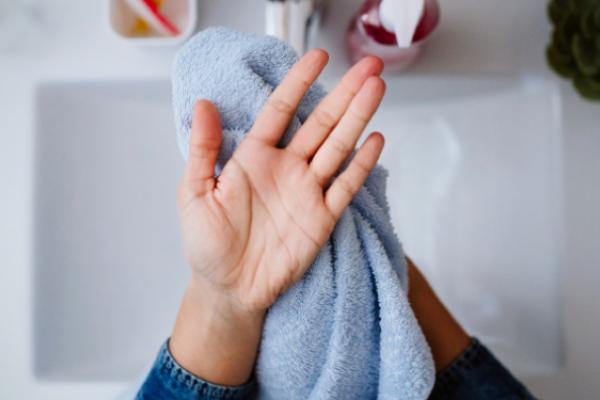
Q: How can I continue washing my hands this often, but also stop my skin from drying out?
A: Every time you wash your hands and they’re wet, you’re adding moisture to your skin. But when you wash and dry the skin over and over again, you eventually leach out all of its natural lipids (i.e. oils) and it can become dry and brittle. The key is to restore some of those lost lipids by applying emollient lotions and creams (i.e. moisturizers) that act as barriers to protect your skin.
Since the beginning of the COVID-19 outbreak, one of the most talked about health recommendations to prevent the spread of the virus has been physical distancing, which means to stay at least two metres apart from others. As we adjust to this new normal, Dr. Emma Morton shares why we may be feeling strange about keeping our distance, along with strategies to help us cope.
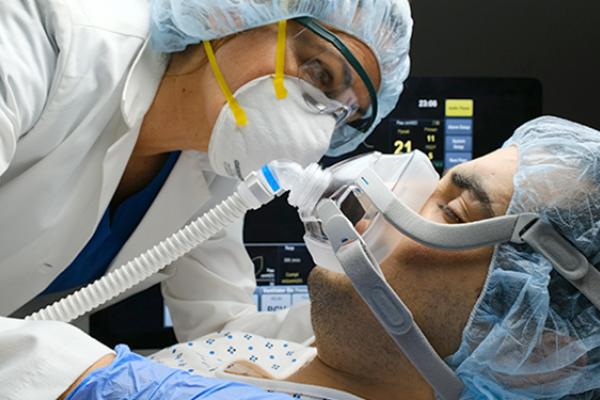
A non-invasive device designed to improve outcomes for patients on mechanical ventilators was recently authorized by the FDA for emergency use during the COVID-19 pandemic. The Lungpacer Diaphragm Pacing Therapy System (DPTS) was developed to assist with retaining and regaining diaphragm function that, once lost, can make it challenging for patients to be taken off a ventilator.
The Vancouver Coastal Health Research Institute, along with the VGH & UBC Hospital Foundation, is providing funding for innovative research projects aimed at addressing the evolving health care needs and challenges related to the COVID-19 pandemic. This funding will help accelerate research efforts to proactively respond to the virus in BC through prevention, detection, treatment and management.
Countless people move through hospitals, touching and spreading microorganisms to multiple surfaces each day. Copper’s natural antimicrobial properties can help combat the spread of diseases such as COVID-19 and Methicillin-resistant Staphylococcus aureus (MRSA), and new research identifies which combination of copper alloys and cleaning practices pack the best microbe-destroying punch.