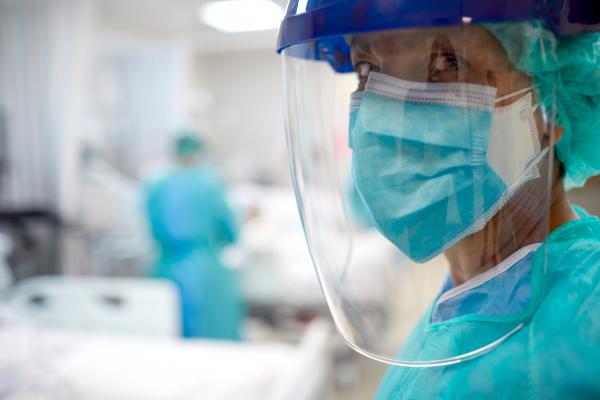
Health care workers have been on the front lines of the COVID-19 pandemic since it began in early 2020. Diagnosing, treating and caring for patients infected with the virus, they were potentially put at higher risk of contracting the disease without proper protection. Despite this, research led by Vancouver Coastal Health Research Institute researcher, Dr. Annalee Yassi, found health care worker infection rates were similar to those of the general population, even in the face of more transmissible COVID-19 variants of concern.
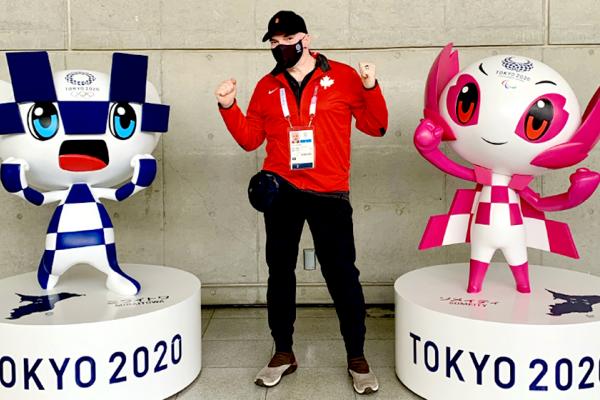
Dr. Babak Shadgan, the chief medical officer (CMO) of wrestling competitions at the Tokyo Olympic Games and a Vancouver Coastal Health Research Institute investigator, is bracing himself for one of the most challenging experiences he has faced at the international sporting event.
“My days will start at 7 a.m. with the athletes’ COVID-19 screening and medical examination before they are weighed in, and will end after I finish supervising the doping control procedures that can sometimes take until midnight,” says Shadgan.
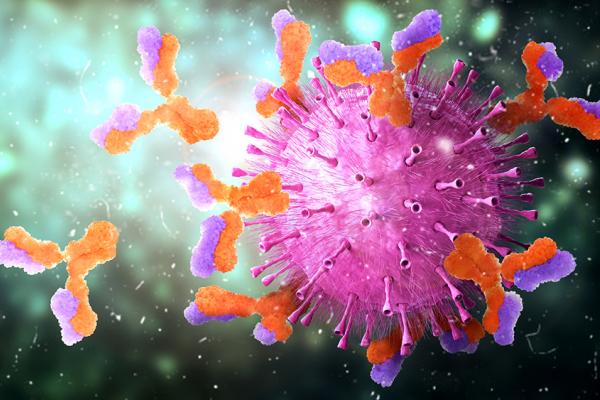
Research from Vancouver Coastal Health Research Institute scientist Dr. Sriram Subramaniam produced molecular images of how mutations in the novel coronavirus, SARS-CoV-2, are driving infection. A global first-of-its-kind, the three-dimensional images of the N501Y spike protein mutation provide clues for future treatment interventions.
Walk into an airport or mall these days and you might be scanned by an infrared thermography (IRT) camera. Used to generate a heat map of infrared radiation emitted by heat sources, such as body temperature, IRT has become a go-to for the mass detection of illnesses, such as COVID-19.
With several treatments now available to care for the most urgent and severe cases of COVID-19, researchers are setting their sights on a potential intervention for the early stages of the virus.
Vancouver Coastal Health Research Institute clinician-scientist Dr. Sara Belga is investigating whether ciclesonide, a common anti-inflammatory drug, could help speed up recovery, and put a stop to disease progression and potential hospitalization among patients with mild COVID-19.
A greater understanding of how COVID-19 affects people individually has researchers calling for a more targeted and cross-disciplinary approach to medical research and patient care.
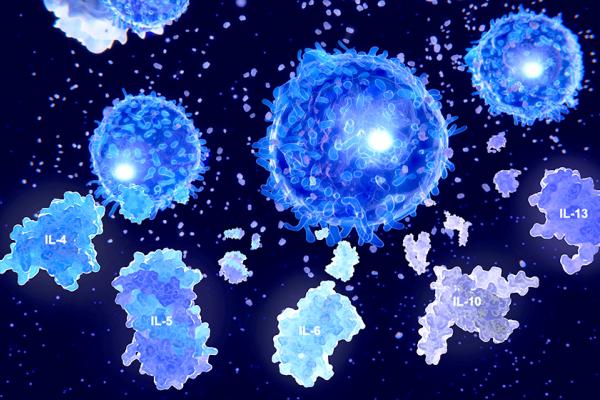
“There can be a tendency in the health care field to operate in silos,” says Dr. Mypinder Sekhon, a Vancouver Coastal Health Research Institute (VCHRI) scientist and the lead author of a editorial on the COVID-19 cytokine storm syndrome (CSS) controversy that was published in the European Respiratory Journal.
The race to find treatment approaches to improve patient outcomes and end the COVID-19 pandemic has involved the coordination of research teams and patients across British Columbia. At the helm of this undertaking is the COVID-19 Clinical Research Coordination Initiative (CRCI), of which Vancouver Coastal Health Research Institute (VCHRI) scientist Dr. Theodore Steiner is a member.
While a vaccine is the primary medical intervention to prevent the spread of the SARS-CoV-2 virus, tracking and evaluating its effectiveness will be equally important. T-cells could answer important questions about both infection and immunity rates, along with the longevity of immunity protection.
As a challenging 2020 comes to a close, the characteristic warmth and merriment of the holiday season is very welcome. Few words can describe how destabilizing the global COVID-19 pandemic has been, yet there remains hope that we will not only make it through these tough times, but that these challenges may bring out the very best in us. Our Vancouver Coastal Health Research Institute (VCHRI) community has proved this to be true.
Hearing from youth about how the COVID-19 pandemic is impacting them is a central goal of the FOCUS study. Led by Vancouver Coastal Health Research Institute researcher Dr. Rod Knight and Dr. Pierre-julien Coulaud, the study asks youth between the ages of 18 and 29 to fill out a 20-minute online survey to share their thoughts on such things as COVID-19 policies, how they are coping during the pandemic and what supports they need.