A new avenue to differentiate between prostate cancers is being investigated by Vancouver Coastal Health Research Institute researchers Dr. Alexander Wyatt and Dr. Cameron Herberts.
An early screening and treatment approach examined in a study led by Vancouver Coastal Health Research Institute researcher Dr. Liam Brunham enhanced preventative treatment interventions for the first-degree relatives of patients with premature cardiovascular disease.
Often called an invisible disease, endometriosis can have a significant negative impact on a person's physical and mental health. A recent study suggests the condition affects around seven per cent of Canadians of reproductive age who have a uterus, though the actual number may be higher.
The negative effects of high cholesterol on the heart are widely known, but a recent study led by Vancouver Coastal Health Research Institute researcher Dr. Charlotte Waugh, revealed that fat deposits that build up in tendons can impede mobility.
The new Molecular and Advanced Pathology Core (MAPcore) is positioned to be a powerhouse of precision and translational medicine for revolutionary health outcomes and care. Co-created by Vancouver Coastal Health Research Institute (VCHRI) scientist Dr. David Huntsman, MAPcore is home to cutting-edge equipment and expertise for advanced spatial genomics, single cell genomics, proteomics and other ’omics research.
A breakthrough technology, now in the hands of Vancouver Coastal Health Research Institute scientists, is paving the way for rapid and effective drug discovery. Dr. Artem Cherkasov, a senior research scientist with the Vancouver Prostate Centre (VPC), and his colleagues are spearheading the integration of cryo-EM technology. After years of trying to harness the potential of the human genome, Cherkasov says cryo-EM will revolutionize drug discovery and development.
As research tools improve, scientists are uncovering new genetic links to disease. Vancouver Coastal Health research scientist Dr. Kurt Haas and his team are trying to find the genetic origins of autism. Together with a larger group of scientists at the Djavad Mowafaghian Centre for Brain Health, they are designing new technologies to tackle this problem. But they have a long road ahead of them—Haas says it is hard to imagine a more difficult research challenge.
It’s being called the future of health care. Precision, or personalized, medicine based on a patient’s individual genetic profile, is revolutionizing treatment and diagnosis of disease. VCHRI Research Scientist Dr. Paul Keown and his colleagues have big plans to play a pivotal role in this genetic revolution. Their focus is on immune disease and transplantation.
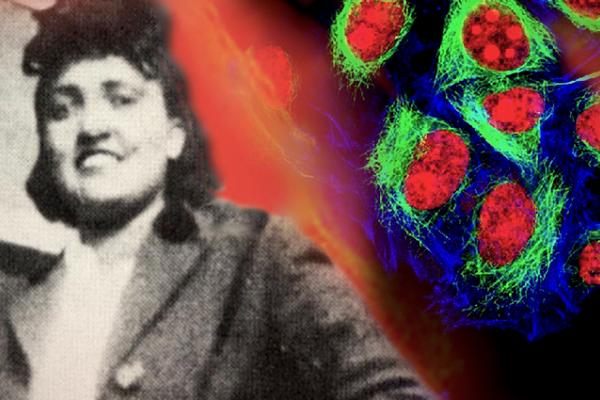
The immortal cell line of Henrietta Lacks, known as HeLa, has had innumerable applications in medical research, from developing a vaccine for polio to new cancer treatments. However, these advances came at an ethical cost, as consent for conducting research on Lacks’ cervical cancer cells was not obtained when her tissue sample was taken in 1951.
Flash forward to today, and much has changed in ethics research. Groups like BC’s Ovarian Cancer Research Team (OVCARE) are collecting tissue samples to make innovative discoveries, but with the full knowledge and consent of patients.
Air pollution is the third most important risk factor for global mortality. “It’s a massive problem,” says Vancouver Coastal Health Research Institute scientist Dr. Chris Carlsten. Dr. Carlsten has just completed a review of the latest research linking air pollution from traffic to allergic respiratory disease. The review found allergic disease is on the rise in many regions of the world, particularly in Asia, where traffic pollution is most severe. And the new reality of climate change is making things worse.