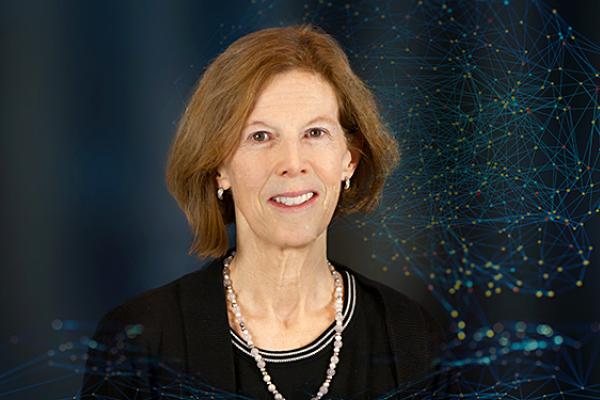
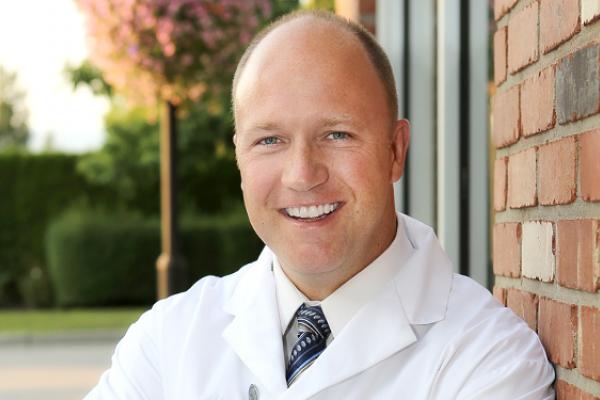
Each year, mood and neurological disorders leave their mark on Canadians in the realm of $61 billion in direct and indirect economic costs, along with innumerable impacts on families, jobs, life satisfaction and longevity. To help summit the steep challenge of brain-related disorders, Dr. Lynn Raymond, the new director of the Djavad Mowafaghian Centre for Brain Health (DMCBH), is focused on collaboration.
Q: What is your role in health research?
A: I work with the Vancouver Stroke Program as a study coordinator. I primarily coordinate the CANARY study, in which we are studying speech and eye movements as early predictors of dementia. I work closely with research participants, helping them to schedule appointments, complete paperwork and administer assessments. I also work closely with a team of health researchers and computer scientists to analyze the data from our study.
Q: What is your current role in health research?
A: I am the Lab Manager for the UBC Sexual Health Lab. The Sexual Health Lab is led by Dr. Lori Brotto and focuses on clinical and behavioural research in sexual health and well-being. Researchers in the lab study a variety of women’s health issues, including chronic genital pain and low sexual desire.
Q: What is your role in health research?
A: I am a clinical research coordinator with the Multiple Sclerosis and Neuromyelitis Optica (MS & NMO) Clinical Trials Group at the Djavad Mowafaghian Centre for Brain Health. I facilitate testing of potential treatments and observational studies in patients with MS. This includes submitting applications to regulatory boards, collaborating with other laboratories, and acting as point-of-contact for sponsors, vendors, patients, principle investigators and various departments.
Q: What is your research area of interest, and what sparked that interest?
A: My research focus is on stroke rehabilitation; more specifically, my work uses neuroimaging such as functional near-infrared spectroscopy and electroencephalography to examine the role of the brain in walking and balance recovery. My interest was sparked when I was working as a physiotherapist helping stroke survivors re-learn how to walk. I am now a postdoctoral fellow in the Rehabilitation Research Program at the GF Strong Rehab Centre.
Q: What is your role in health research?
A: I am a clinical trials study manager with the Vancouver Stroke Program. I currently manage a national, multi-centre trial led by Dr. Thalia Field. We are investigating an oral blood thinner in an uncommon cause of stroke.
On March 1, 2019, Dr. David Granville was appointed to the position of Associate Director of the Vancouver Coastal Health Research Institute (VCHRI). In this role, he will oversee innovation and research activities within the VCH research community, including the internal awards program, medical animal facilities, Legacy Research Program, Centre for Heart and Lung Health and the Immunity and Infection Research Centre.
Q: What is your current role in health research?
A: I am pursuing my PhD on translational cancer research with the Department of Experimental Medicine at the University of British Columbia (UBC). Most of my daily work takes place at the Vancouver Prostate Centre (VPC) where I am privileged to be part of a transatlantic research collaboration between the labs of Dr. Mads Daugaard at VPC and Dr. Ali Salanti at the University of Copenhagen.