Up to 43 per cent of women will experience low sexual desire at some point in their lifetimes, often accompanied by significant distress and relationship strain. New research headed by Vancouver Coastal Health Research Institute researcher Dr. Katrina Bouchard is filling a gap in psycho-social care for this population, testing a new couple therapy designed specifically for those experiencing sexual interest/arousal disorder (SIAD).
Sexual health can be an uncomfortable topic of conversation for patients, some of whom may prefer more discrete options for sharing intimate details. In a first-of-its-kind study, Vancouver Coastal Health Research Institute (VCHRI) researchers have demonstrated the viability of the PenoMeter novel mobile option for diagnosing Peyronie’s disease.
Conducted in collaboration with members of the community, new research has linked an education program for school-aged adolescents to improved knowledge and attitudes about menstrual health and endometriosis, which affects 10 per cent of women and girls of reproductive age globally.
Menopause is a natural part of aging that marks the end of ovulation. While menopause is a universal experience shared by everyone with ovaries, it comes with a variety of experiences that affect each person differently. Vancouver Coastal Health Research Institute researcher Dr. Lori Brotto explains the impact of hormone decline through the menopause transition on sleep, sex and mental health, and shares approaches to advocate for care during this transitional period of life.
Sexual pain associated with breast cancer can prolong a woman’s recovery and negatively impact her sex life. Whether this patient group experiences greater sexual satisfaction and quality of life following a mindfulness-based program versus a sex education-based program is the focus of new research led by Vancouver Coastal Health Research Institute researcher, Dr. Lori Brotto.
Effective treatments exist to improve the sexual health of men with erectile dysfunction (ED), yet research shows that many do not seek medical care or counseling for their condition. New research led by Dr. Ryan Flannigan found this could be rectified among men treated for prostate cancer by drawing more attention and referrals to the Sexual Rehabilitation Clinic (SRC).
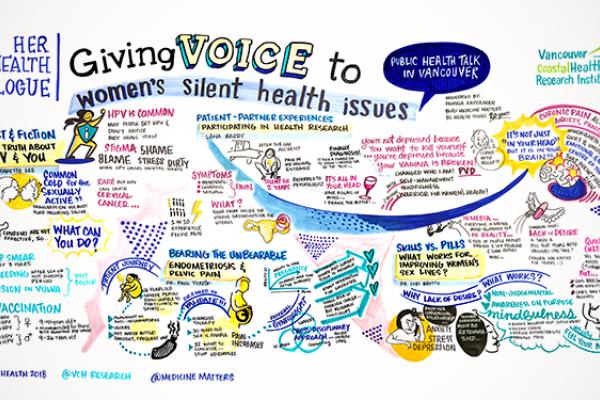
A woman’s health is essential to her personal well-being, yet many women still feel they cannot speak openly about concerns they may have about their sexuality. For decades, women’s voices have not been adequately heard in the health arena. More attention needs to be directed to the societal need to address the health and safety of women.
Human papillomavirus (HPV) is a highly contagious sexually transmitted infection that can cause cancer. HPV affects 80 per cent of sexually active people who have not been vaccinated. Considering how common HPV is, public understanding is lacking. Vancouver Coastal Health Research Institute scientist and gynecologic oncologist Dr. Marette Lee explains that misperceptions and stigmas still surround HPV. “There is a big hole in awareness and a lot of misinformation out there. We need to normalize HPV and talk about it openly so we can prevent serious illnesses for both men and women.”
When she was a young girl, Sophie Hooper experienced one of the worst kinds of trauma: sexual abuse at the hands of a family friend. The experience left her feeling numb and indifferent about sex.
“It lost all meaning to me,” says Hooper, who is now 34 years old. “Even when I was with someone that I cared about, the act of sex felt like I was going through the motions.”