Vancouver Coastal Health Research Institute (VCHRI) is proud to support future research leaders with the Top Graduating Doctoral Student Awards and the Rising Star Awards. These awards recognize the outstanding efforts of VCHRI trainees whose pursuit of research has made them exceptional role models and valued contributors to the Vancouver Coastal Health and University of British Columbia research community.
The 2026 Top Graduating Doctoral Student Award recipient is:
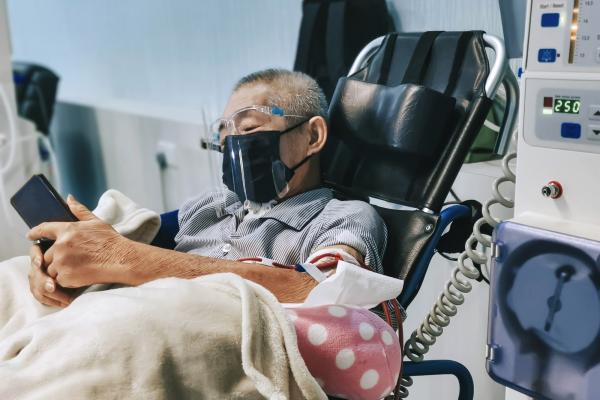
Health care systems are increasingly recognizing their environmental footprint, with the global sector accounting for an estimated four to five per cent of greenhouse gas emissions.
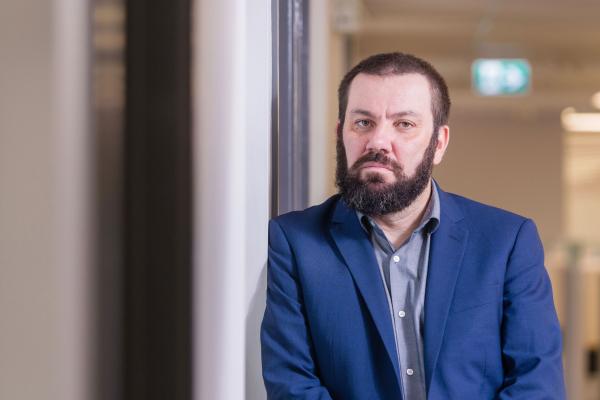
We are pleased to announce the extension of Dr. M-J Milloy as interim Director of Research at the British Columbia Centre on Substance Use (BCCSU), effective to December 31, 2026.
Dr. Milloy is an associate professor in the Department of Medicine and a research scientist at the BCCSU. He also serves as UBC’s inaugural Canopy Growth Professor of Cannabis Science. Dr. Milloy’s research examines the public health impacts of cannabis regulation and potential therapeutic applications of cannabinoids, particularly for people living with substance use disorders.
Bladder cancer is one of the most common cancers affecting the urinary system, yet many people remain unaware of its risk factors and warning signs. Recent research is expanding our understanding of bladder cancer biology and helping shape more personalized approaches to care, from diagnosis through treatment and survivorship.
A decades-long research journey led by Vancouver Coastal Health Research Institute researcher Dr. Jason Andrade is reshaping how clinicians approach atrial fibrillation (AFib), one of the world’s most common and consequential heart rhythm disorders.
Maintaining physical activity into older adulthood is good for both the body and for the health care system, according to findings of a study led by Vancouver Coastal Health Research Institute researchers Drs. Jennifer Davis and Teresa Liu-Ambrose.
Phase 2, Randomized, Double-Blind, Placebo-Controlled, Multi-Center, 24-Week Study with Additional 24-Week Blinded Active Extension to Evaluate the Safety and Efficacy of COYA 302 for the Treatment of Amyotrophic Lateral Sclerosis (ALS)
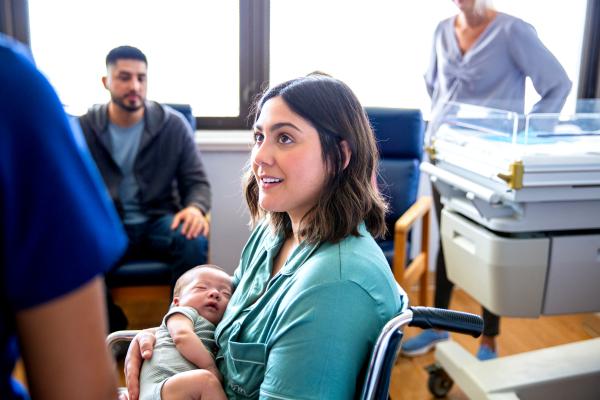
In Canada, exclusive breastfeeding is recommended for the first six months of a baby’s life, with continued breastfeeding encouraged into the toddler years. Yet, for women with spinal cord injury (SCI), this can present unique physiological and clinical challenges.
In-person at Blusson Spinal Cord Centre, 818 West 10th Avenue, Vancouver
Join the VCHRI Trainee Committee for a full day of interactive, career-focused programming designed to strengthen your professional skills and support your next steps with confidence.
Vancouver Coastal Health Research Institute (VCHRI) supports clinician-scientists in advancing discoveries that improve the health and well-being of patients across the lifespans. The Investigator Awards provide salary support to leading health research investigators, helping reduce their clinical commitments and expand their capacity for innovation-driven research that creates new health care knowledge.
The 2026 VCHRI Investigator Awards recipients are: