
New research sheds light on the link between diet and kidney stones, underscoring the need for greater public awareness to reduce risk factors.
Kidney stones are one of the most common health concerns affecting Canadians, with new research led by Vancouver Coastal Health Research Institute researcher Dr. Connor Forbes revealing that 99 per cent of Canadians are unknowingly eating in ways that could increase their risk of developing the condition. These findings highlight a critical gap in public knowledge: while many people are not yet dealing with kidney stones, their dietary habits may be setting them up for future risk.

Approximately one in 10 Canadians will develop a kidney stone in their lifetime. These hard objects made from a buildup of salts or minerals in urine can produce pain if caught in the ureter, which in some cases may require surgery or shockwave therapy to be passed. A condition with a strong genetic component, people who form kidney stones once are more likely to get them again in the future, making dietary and lifestyle changes an important part of recurrence prevention.
“Kidney stones are a common and growing health concern among the Canadian population,” says Forbes. “While genetics are undoubtedly involved, evolving dietary factors also play a significant role in the onset of the condition. Investigating this dietary link is essential to understanding the underlying root causes.”
Exploring the eating habits that could trigger kidney stones
For their study, Forbes and his team used data from the 2015 Canadian Community Health Survey to investigate the dietary habits of 14,275 Canadians and their potential links to kidney stone formation. Intake of specific nutrients already known to play a role in kidney stone formation, including fluid, calcium, sodium, protein and vitamin C, were assessed against recommended guidelines for kidney stone prevention. For example, while sodium is known to contribute to the risk of stone formation, adequate fluid intake has a protective effect.
Findings revealed that 99 per cent of the general population had at least one dietary risk factor for kidney stone formation, while 92 per cent had two or more risk factors. Of these, 53.9 per cent consumed too much sodium and 24 per cent did not meet the recommended daily fluid intake for kidney stone prevention.

Supplement use was also common, with over half of participants taking daily supplements containing high doses of vitamin C. “Many people don’t realize that taking vitamin C supplements exceeding 1,000 milligrams per day can actually increase your risk of kidney stones,” explains Forbes. “This is an important reminder that all things need to be in moderation — even when it comes to healthy nutrients like vitamin C.”
“Any diet that is extreme in one way or another can have unintended consequences, including increasing one’s risk of kidney stone formation.”
Researchers observed that participants who had other comorbidities, like heart disease or hypertension, were better at adhering to dietary guidelines known to reduce kidney stone risk. This could be due to individuals with health conditions being more mindful of their diet and lifestyle habits to manage their diagnoses, as compared with the general population.
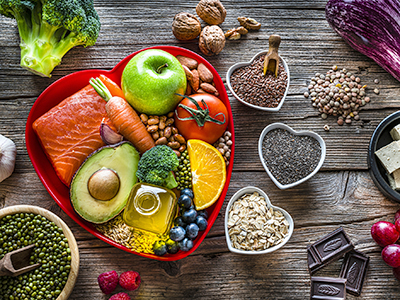
“This presents a chance for us to move prevention upstream, not just for people who have existing health conditions, but for the general public as well,” says Forbes. “Everyone should be adequately hydrated and eating a healthy diet that is rich in fruits and vegetables. This approach is good for overall health as well as preventing kidney stones.”
Moving beyond a one-size-fits-all preventative approach
While the majority of Canadians are eating an at-risk diet for kidney stones, the study suggests disparities in risk levels depending on socioeconomic status, including factors such as income, education and employment. At lower income levels, individuals are often faced with food insecurity or limited access to nutritious, fresh foods, making it harder to adhere to recommendations. Conversely, those in higher income brackets may have access to healthier food, but choose to eat at restaurants more frequently, which can increase their sodium or animal protein intake.
“Food literacy and food security are key when considering prevention strategies,” Forbes explains. “Clinicians must approach people with compassion, recognizing that even if they are aware of our recommendations, factors like limited food access or time constraints may prevent them from fully following them.”
“It is crucial to help people integrate nutritional recommendations in a way that is realistic and achievable, while understanding that what works for one person may not work for another.”
The researchers believe this points to a significant opportunity for intervention, including increased public education and health care provider training to ensure Canadians are aware of the connection between their food choices and kidney stone risk.
“Urologists are eager to provide dietary advice for prevention, but time and resources can be a limiting factor,” says Forbes. “Public health campaigns, along with the integration of dietitians and other health specialists into urology care, could help make a real difference in increasing awareness and preventing kidney stones for all Canadians.”