Despite suffering a heart attack this past summer, Vancouver resident William Der considers himself a very lucky man. While out for a bike ride on the Arbutus corridor, 58-year-old Der began to experience what he thought was bad heartburn. “I didn’t think it was anything else. My partner gave me some Tums and water, but it still wouldn’t subside. Then I looked on my phone and read that heart attack can be mistaken as heartburn.”
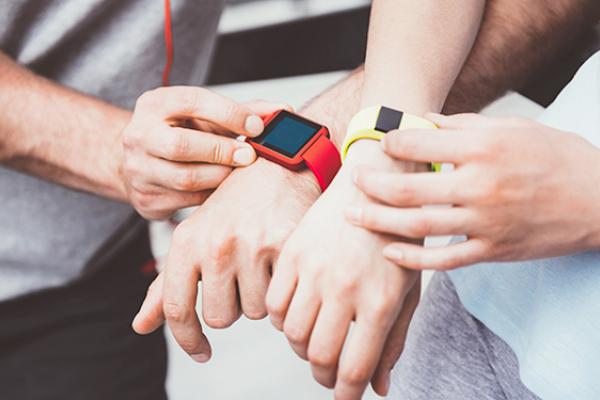
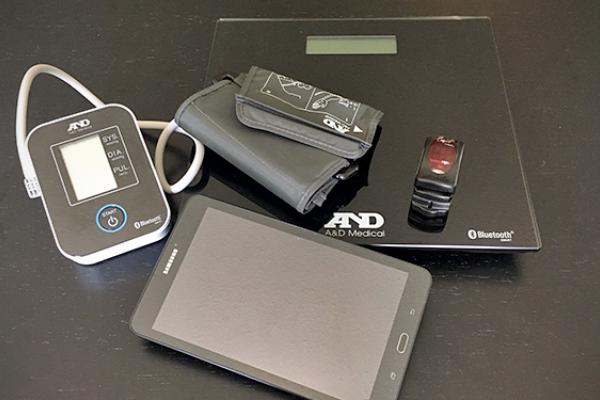
It is a $14 billion (and growing) worldwide market: wearable devices that record how many steps we take, how many calories we burn, and how fast our heart is beating. And these devices, which range from smart watches to smart glasses to in-ear monitors, are becoming increasingly sophisticated. Handheld devices and newly released smartwatches can even conduct electrocardiograms in the comfort of your home. But at what cost? Vancouver Coastal Health Research Institute scientist Dr. Jason Andrade and his colleague Dr.
Andréa Vawda had a monster living inside her that was attacking her heart and mind. The first signs of its invasion arrived when she was 13 years old in the form of migraines and painful periods. By her mid-30s, the migraines became an almost daily, and extremely painful, occurrence. She also noticed a decline in her cognitive abilities. It was harder for her to understand and retain information, and she was having difficulty reading. Vawda felt as though her memory and physical health were slipping away.
Vancouverite Mary Woo Sims never imagined she could be at risk of having a heart attack. The 62-year-old retired human rights commissioner ate a healthy diet, exercised, didn’t smoke, only drank socially and had no sign of plaque build-up on her arteries. Then, one evening last year Sims felt nauseous, noticed tightness in her chest and felt her jaw clenching. Her partner called 911 and she was taken to hospital.
Atrial Fibrillation (AF) is the most common heart rhythm disorder in Canada, and if left untreated can result in strokes and even death. With AF, the heart does not beat in a strong, regular contraction—it “quivers” in a rapid and irregular manner. AF is a costly disease to treat, with many patients requiring expensive medicine, acute care visits, and interventions.
Vancouver, BC – When Jane Grafton struggled to breathe after taking a few steps, she knew something was terribly wrong. The South Surrey resident was admitted to hospital in March and diagnosed with cardiac dysrhythmia, a life threatening condition. “The severity of my heart failure finally hit home,” says Jane.
Q: What are your top three tips for a healthy heart?
A: First, I’m a big believer in getting a regular amount of moderate physical activity. You don’t need to run marathons, but some form of regular physical activity is a must.
Cardiovascular disease (CVD) is the leading killer of women worldwide. But most research, and the clinical evidence for treatment, is based on studies of men. That’s a problem, since it turns out that women have very different treatment responses and disease progression of CVD than men.
Vancouver resident Keiko Yamanaka always considered herself healthy. Up until two years ago, the 46-year old didn’t have any serious health concerns and was an avid mountain biker and long-distance cyclist. But after finishing a 96 km road ride with a group of friends, and while cycling home from West Vancouver, she started feeling nauseated and had a strange pain in her chest. Although she wasn’t experiencing serious pain, the feeling was bothersome enough that she stopped cycling and sat on a bench for 20 minutes.
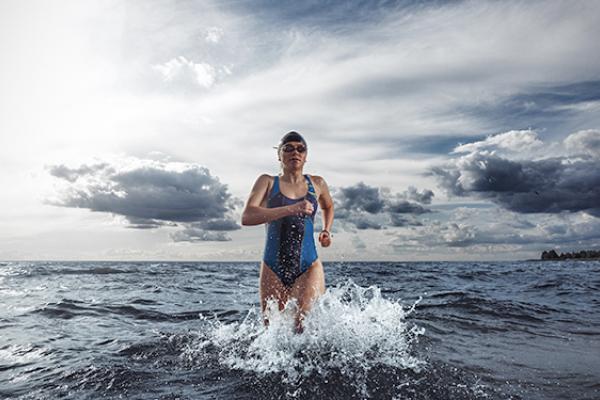
There are athletes, and then there are masters athletes. These individuals – doing triathlons, running marathons, rock climbing, training multiple times a week, etc. – are often thought to be healthy and extremely fit. However, many masters athletes over age 35 may be at higher risk for experiencing a potentially life-threatening cardiac event, like a heart attack, during their strenuous physical exercise.