Concerns about scarring following surgical procedures often prompt both patients and surgeons to favour suture materials believed to minimize the appearance of scars. However, findings published in the journal Dermatologic Surgery and led by Vancouver Coastal Health Research Institute researcher Dr. David Zloty dispel commonly held beliefs about three suture types, paving the way for potential long-term health care cost savings.
As the weather heats up, so too do the damaging effects of the sun’s rays. May is Skin Cancer Awareness Month — a time to check in on your skin health and protect you and your family from harmful ultraviolet (UV) radiation. Vancouver Coastal Health Research Institute researcher Dr. Tim Lee sheds light on who is at greater risk of developing skin cancer, also called melanoma, as well as the latest screening approaches.
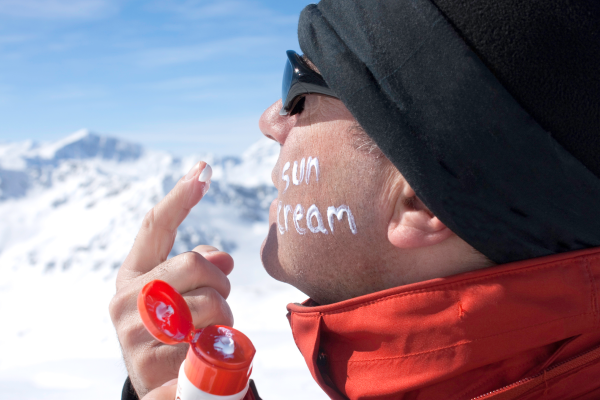
While many people often associate sunburns with summer heat, there is still a significant risk of sun damage during the colder, cloudier winter months. This can lead to the development of skin cancer as well as premature ageing, in addition to other seasonal concerns such as dry and itchy skin. VCH dermatologist Dr. Harvey Lui shares his recommendations on staying sun safe year-round.
Benefits of exposing skin to ultraviolet light for people with atopic eczema far outweighs the risk, according to a study that will leave clinicians to rest easy, knowing that prescribed phototherapy does more good than harm.
The study, published in the Journal of the American Academy of Dermatology, was authored by Dr. Tashmeeta Ahad, a clinician-scientist within the Skin Research Program at Vancouver Coastal Health Research Institute (VCHRI).
After years of living with an undiagnosed skin condition, 28-year-old Marisa Nelson felt compelled to volunteer for a new study that tested video-based vital sign diagnostic technology on people of varying skin tones.
While soaking up the rays on a beach or hike can give us a boost of vitamin D and have a positive effect on our mood, too much can lead to premature skin ageing and increase the risk of developing skin cancer. Vancouver Coastal Health Research Institute (VCHRI) researcher Dr. Sunil Kalia details why we should all be sun-smart.
Losing hair can be a stressful experience for people, and traditional diagnostic assessments often require a time-consuming process of counting individual hairs. New technology spearheaded by Vancouver Coastal Health Research Institute (VCHRI) researcher Dr. Tim Lee automated the hair counting process to increase the accuracy and timeliness of diagnoses.
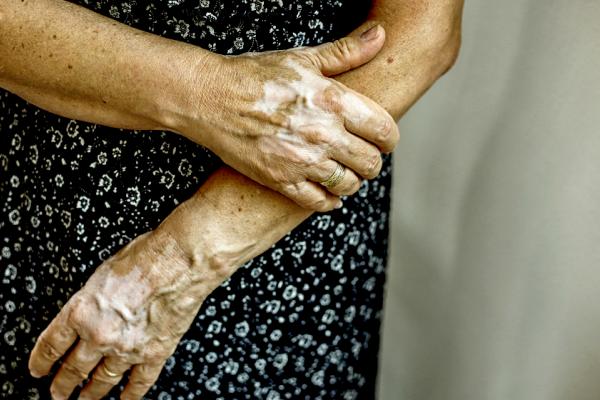
Visibly lighter patches of skin that often present symmetrically on the face and hands may well be a sign of a rare skin condition called vitiligo. Our Vancouver Coastal Health Research Institute expert, Dr. Youwen Zhou, explains its causes and highlights new research that could improve therapeutic outcomes.
The Granzyme B (GzmB) enzyme has been identified as a driver of itchy and sometimes life-threatening pemphigoid diseases (PDs): autoimmune conditions that cause blistering and skin erosion that originate below the skin’s surface. New research led by Vancouver Coastal Health Research Institute (VCHRI) scientist Dr. David Granville has found that a gel containing a specific and potent inhibitor of GzmB activity, VTI-1002, resulted in significant skin improvements.