A decades-long research journey led by Vancouver Coastal Health Research Institute researcher Dr. Jason Andrade is reshaping how clinicians approach atrial fibrillation (AFib), one of the world’s most common and consequential heart rhythm disorders.
On a warm August morning in Smithers, B.C., Eric Holdyk laced up his cleats and stepped onto a familiar soccer field for a local charity tournament. The 36-year-old father of two — born and raised in the northwestern town — had always been active, from cross-country skiing to playing midfield in soccer. Years earlier, he had even run a sub-three-hour marathon.
While regular physical activity is one of the most effective ways to make the heart stronger and more efficient, pushing the body past its limits can place unique demands on the cardiovascular system. For athletes and highly active individuals, especially those over 35 years of age or with underlying heart conditions, sustaining a healthy and challenging exercise routine for years to come requires understanding how to manage risk.
A new early warning system could make significant headway in the prevention of cardiogenic shock, a heart condition with an approximate 50 per cent chance of survival. A study led by Vancouver Coastal Health Research Institute researcher Dr. Christopher Fordyce introduced the EARLY SHOCK risk scoring algorithm, a novel approach to detect the signs and symptoms of cardiogenic shock.
Heart disease risk may have more to do with genetic factors interacting with sex hormones than previously thought, according to the findings of a new study led by Dr. Tara Sedlak, a Vancouver Coastal Health Research Institute researcher and one of the only certified women’s heart health cardiologists in Canada.
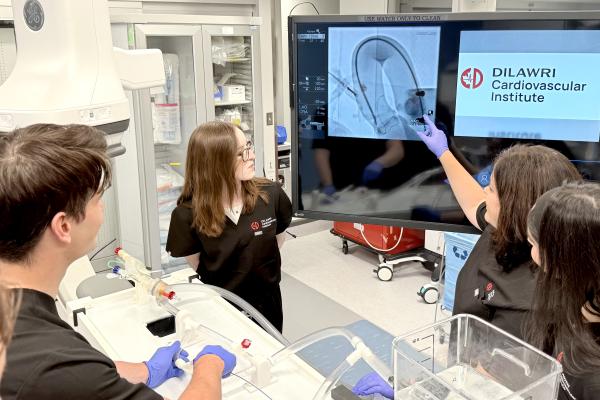
The Vancouver Coastal Health Research Institute (VCHRI) is excited to expand its premier roster of research centres and programs with the addition of a new cardiovascular powerhouse. The Dilawri Cardiovascular Institute (DCI), a global centre of excellence, launched in June 2025. Its establishment was made possible by a record-setting $60 million philanthropic gift from the Dilawri Foundation.
An early screening and treatment approach examined in a study led by Vancouver Coastal Health Research Institute researcher Dr. Liam Brunham enhanced preventative treatment interventions for the first-degree relatives of patients with premature cardiovascular disease.
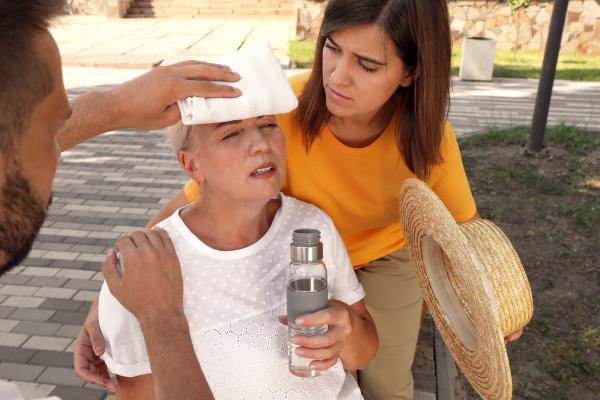
The first study in North America to look at the relationship between heat, out-of-hospital cardiac arrest (OHCA) and patient outcomes paints a bleak picture. Led by Vancouver Coastal Health Research Institute researcher Dr. Brian Grunau, the study found higher temperatures were associated with an increased incidence of cardiac arrest and a lower probability of survival, particularly when temperatures exceeded a daily mean of 25 degrees Celsius.
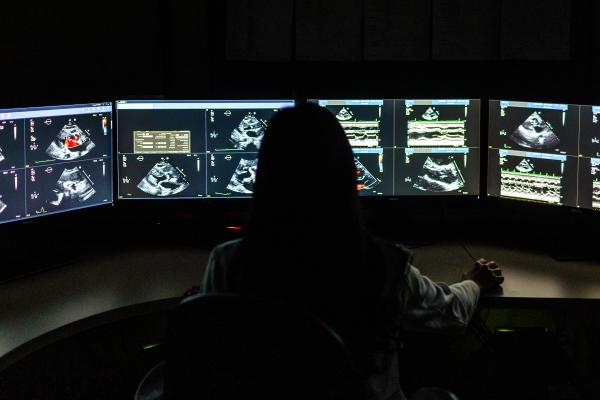
Researchers have confirmed that artificial intelligence (AI) software has the potential to enhance heart failure diagnostics. The study, led by Vancouver Coastal Health Research Institute researcher Dr. Christina Luong, shows that the machine learning tool could be safely used to improve the timeliness of heart failure diagnosis and treatment.
High blood pressure is a leading cause of morbidity and mortality around the world, and affects one in five Canadians. With rates of hypertension on the rise in B.C., research led by experts at the Vancouver Coastal Health Research Institute (VCHRI) has identified the benefits of a novel home blood pressure telemonitoring (HBPT) intervention to prevent hypertension from worsening and help people with the condition take control of their health.